
God of War 3 : The Mythological End of Olympus
| Description | |
|---|---|
| Inspiration | Greek Mythology |
| Developer | Santa Monica Studio |
| Type | Video Game |
| Release Year | 2010 |
| Storyline | Kratos’ revenge against Olympian gods |
Mythlok Perspective
In Mythlok’s Perspective, God of War 3 succeeds because it understands that mythology is not merely about gods and monsters. It is about the consequences of power, pride, and vengeance. The game transforms Greek myths into a tragedy where the hero becomes as destructive as the forces he seeks to destroy. Unlike many modern adaptations that soften mythological figures, God of War 3 embraces the brutality found in ancient storytelling. Its vision of divine collapse also mirrors myths from other cultures. Just as Ragnarok in Norse tradition foretells the fall of the gods, or the cyclical destruction seen in Indian cosmology, the downfall of Olympus represents a world-changing transition. The game may take creative liberties, but it captures a timeless mythological truth: when divine order breaks, an entirely new age emerges.
God of War 3
Introduction
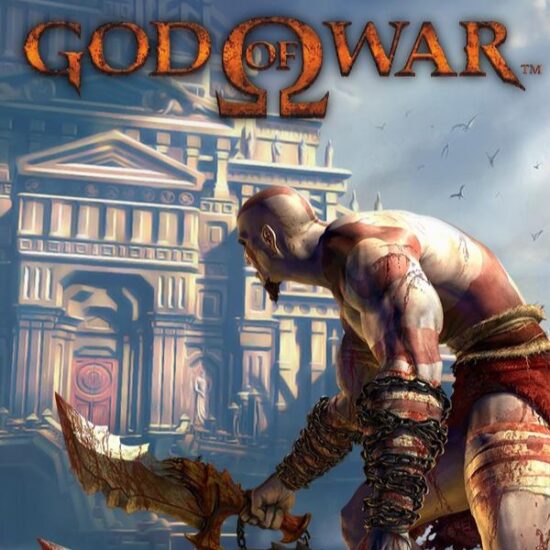
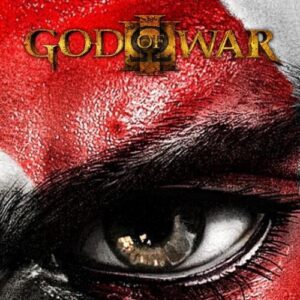
Released in 2010 for the PlayStation 3 and later remastered for the PlayStation 4 in 2015, God of War 3 remains one of the most influential action-adventure games ever created. Developed by Santa Monica Studio and published by Sony Computer Entertainment, the game concludes the original Greek saga of Kratos, the Spartan warrior who wages war against the Olympian gods. While the franchise had already established itself through earlier entries, this installment pushed the scale of storytelling and spectacle to unprecedented levels.
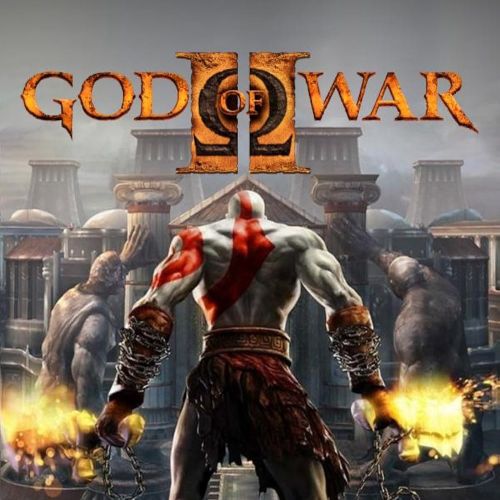
The game begins immediately after the events of God of War II, with Kratos leading the Titans in a direct assault on Mount Olympus. What follows is a brutal journey through a collapsing mythological world where every victory comes with devastating consequences. Combining intense combat, cinematic storytelling, and imaginative reinterpretations of Greek mythology, God of War 3 transformed ancient legends into one of gaming’s most memorable revenge epics.
Game Overview
At its core, God of War 3 is a fast-paced action-adventure title built around hack-and-slash combat. Players control Kratos as he battles gods, monsters, and Titans across environments inspired by Greek mythology. The combat system revolves around fluid combos, magical abilities, and devastating finishing moves that became a defining feature of the series.
Kratos primarily uses the Blades of Exile, but he also gains access to powerful secondary weapons throughout the adventure. The Nemean Cestus delivers crushing force capable of breaking armored enemies, while the Claws of Hades allow Kratos to summon souls from the Underworld. The electrically charged Nemesis Whip adds further variety to encounters.
Beyond combat, the game includes environmental puzzles, platforming challenges, and large-scale boss encounters that blur the line between gameplay and cinematic spectacle. Even today, many of its battles, particularly against Poseidon, Cronos, and Zeus, are remembered as milestones in action game design.
The game received widespread critical acclaim for its visuals, combat mechanics, and presentation. It won several industry awards, including the BAFTA Award for Artistic Achievement in 2011 and Best PS3 Game at the 2010 Spike Video Game Awards. By 2012, it had sold over five million copies worldwide on PlayStation 3, later finding renewed success through its remastered release.
Mythological Inspirations
Greek mythology serves as the foundation of God of War 3, but the game intentionally reshapes traditional stories into a darker and more violent narrative. Rather than presenting the Olympian gods as distant divine figures, it portrays them as flawed rulers whose deaths trigger catastrophic effects across the world.
Poseidon’s death unleashes massive floods that consume Greece. When Hades falls, souls escape from the Underworld and roam freely among the living. Helios’ defeat plunges the world into darkness, while Hera’s death causes nature itself to wither. These events create a powerful visual representation of how deeply the gods are tied to the functioning of the cosmos.
The game also draws from myths surrounding Pandora’s Box, the Titanomachy, Mount Olympus, and the Underworld. Familiar creatures such as Cyclopes, Gorgons, Minotaurs, Cerberus beasts, and Harpies appear throughout the journey, giving players the feeling of traversing a living mythological landscape.
Although the game changes many traditional stories, it succeeds in preserving the larger themes found in Greek mythology: pride, fate, vengeance, divine conflict, and the tragic consequences of unchecked power.
Characters
Kratos remains the central figure of the story. Once a Spartan general and later the God of War, he is driven by a relentless desire for revenge against Zeus. His journey is fueled by anger, but beneath the rage lies a deeply wounded character struggling with guilt and loss.
Zeus serves as the primary antagonist and represents the corrupt authority Kratos seeks to overthrow. Their conflict is more than a battle between father and son. It becomes a clash between old power and the consequences of divine manipulation.
The Titans initially appear as allies, particularly Gaia, who helps Kratos begin his assault on Olympus. However, the alliance proves fragile as personal ambition and betrayal reshape the conflict.
Other Olympian gods play major roles throughout the adventure. Poseidon, Hades, Hermes, Helios, Hera, Aphrodite, and Hercules each represent different aspects of Greek mythology while serving as obstacles on Kratos’ path. Their encounters reveal both the grandeur and the moral decay of Olympus.
Pandora emerges as one of the most important characters despite her limited screen time. Unlike most figures in the story, she embodies compassion and innocence. Her willingness to sacrifice herself ultimately becomes the emotional center of the narrative and challenges Kratos to confront the humanity he has buried beneath years of violence.
Symbolism & Gameplay Mechanics
While God of War 3 is remembered for its action, its deeper themes are rooted in symbolism. Hope stands at the center of the story. Pandora’s sacrifice and Kratos’ final decision transform hope from a mythological concept into the game’s ultimate message.
The destruction of Olympus functions as more than spectacle. Every fallen god represents the collapse of a different pillar of civilization. Floods, darkness, plague, and ecological ruin follow in Kratos’ wake, demonstrating that revenge rarely remains contained to its intended target.
Gameplay mechanics reinforce this theme. As players defeat gods, they inherit new powers and weapons. Progress comes directly from destruction, creating a cycle where empowerment is tied to violence. The game constantly rewards revenge while simultaneously showing its devastating consequences.
Boss encounters are particularly symbolic. Each battle feels less like a simple fight and more like a confrontation with an aspect of the mythological world itself. Kratos is not merely killing enemies. He is dismantling the foundations of Olympus one piece at a time.
Cultural Impact
Few games from the PlayStation 3 era achieved the cultural reach of God of War 3. Its technical achievements demonstrated what the console was capable of, while its cinematic presentation influenced many action games that followed.
The title helped establish Kratos as one of gaming’s most recognizable characters. His image became synonymous with PlayStation itself, standing alongside iconic figures from other major gaming franchises.
The game’s interpretation of Greek mythology also introduced countless players to classical myths. While not historically accurate, it sparked interest in figures such as Zeus, Hades, Poseidon, and Pandora among audiences who might never have explored ancient mythology otherwise.
At the same time, the game generated discussion around its portrayal of violence and sexuality. Aphrodite’s depiction became a frequent topic in debates about gender representation in video games, highlighting how gaming narratives were increasingly being examined through cultural and academic lenses. More than a decade after release, God of War 3 remains one of the defining examples of mythological storytelling in modern gaming.
Creative Liberties
Despite its mythological inspiration, God of War 3 takes significant creative freedoms. Kratos himself is an original character created specifically for the franchise, though his name echoes the Greek figure Kratos, a minor personification of strength and power.
The game’s portrayal of the Olympian gods often exaggerates their flaws to create stronger antagonists. Traditional myths rarely depict the complete destruction of the Greek pantheon, yet the game builds its entire narrative around that concept.
Several weapons and artifacts, including the Nemean Cestus and certain magical abilities, are original creations designed to enhance gameplay rather than reflect historical mythology. The same applies to many story developments, including Kratos personally killing figures who survive in traditional mythological accounts.
These changes were intentional. Santa Monica Studio aimed to create a dramatic interactive epic rather than a strict retelling of Greek legends. The result is a version of mythology that feels familiar while offering its own unique interpretation of ancient stories.



Sources
Marino, G. K., Fish, R., Reagan, M., Rona, J., & Velasco, C. (2010). God of War III: Original soundtrack from the video game [Sound recording]. SCE America.
Santa Monica Studio. (2010). God of War III [Video game]. Sony Computer Entertainment.
Scribd. (2026). God of War franchise: A deep dive analysis. https://www.scribd.com/document/962610164/HI
Silverman, R. (2010, April 1). God of War III slays 1 million. GameSpot. https://www.gamespot.com/articles/god-of-war-iii-slays-1-million/1100-6254613/
Sony Computer Entertainment. (2012, June 4). Award-winning God of War franchise sales exceed 21 million units worldwide. https://sonyinteractive.com/en/press-releases/2012/award-winning-god-of-war-franchise-sales-exceed-21-million-units-worldwide/
Wikipedia. (2007–2026). God of War III. https://en.wikipedia.org/wiki/God_of_War_III
Wikipedia. (2008–2026). God of War (franchise). https://en.wikipedia.org/wiki/God_of_War_(franchise)
Frequently Asked Questions
Is God of War 3 based on Greek mythology?
Yes, God of War 3 heavily draws from Greek mythology but reimagines many myths and characters for its original story.
Who is the main villain in God of War 3?
Zeus is the primary antagonist, serving as both Kratos’ father and the ruler of Olympus.
Why does Pandora matter in God of War 3?
Pandora symbolizes hope and becomes central to unlocking the power needed to confront Zeus.
What happens when the gods die in God of War 3?
Each god’s death causes a catastrophe, including floods, darkness, and the collapse of nature across Greece.
Is God of War 3 the end of Kratos' story?
It concludes Kratos’ Greek saga, but his journey continues later in the Norse-era God of War games.