

God of War: The Mythological Origins of Kratos
| Description | |
|---|---|
| Inspiration | Greek Mythology |
| Developer | Santa Monica Studio |
| Type | Video Game |
| Release Year | 2005 |
| Storyline | Spartan warrior Kratos seeks vengeance against Ares, guided by the Olympian gods |
Mythlok Perspective
In Mythlok’s Perspective, the God of War video game represents a modern mythmaking experiment rather than a direct retelling of Greek legends. Kratos embodies the archetype of the tragic hero, driven by rage yet searching for redemption. His journey echoes classical heroes such as Heracles, who also committed terrible acts before seeking atonement. A similar narrative pattern appears in other cultures as well. The destructive yet redemptive hero resembles figures like the Mesopotamian Gilgamesh and the Indian warrior Ashwatthama, both of whom confront the consequences of their own actions. Across cultures, these stories reveal the same mythic truth: power without wisdom often leads to suffering.
God of War I
Introduction
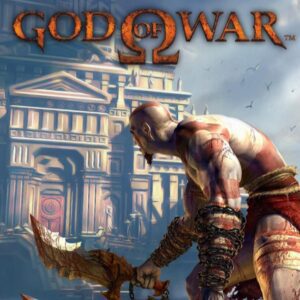
The God of War video game, released in 2005 for the PlayStation 2, marked a defining moment in action-adventure gaming. Developed by Santa Monica Studio and published by Sony Computer Entertainment, the title introduced players to Kratos, a Spartan warrior driven by rage and haunted by tragedy. The game combined cinematic storytelling, brutal combat mechanics, and a setting heavily inspired by Greek legends, creating an experience that felt both mythological and intensely personal.
Directed by David Jaffe, the God of War video game drew visual and narrative inspiration from epic fantasy films and ancient mythology. When it launched on March 22, 2005, it quickly gained critical acclaim for its innovative gameplay, storytelling depth, and spectacular boss battles. Review platforms such as Metacritic awarded it scores above 90, while critics praised its ability to merge mythology with interactive storytelling.
The success of the first God of War video game established one of gaming’s most recognizable franchises. Over the years the series expanded into multiple sequels and spin-offs, eventually exploring both Greek and Norse mythic worlds. Yet the original 2005 release remains the foundation of the entire saga, introducing Kratos’ tragic story and the mythological universe that shaped it.
Game Overview
At its core, the God of War video game is an action-adventure title built around fast-paced hack-and-slash combat. Players control Kratos as he journeys through mythological locations across ancient Greece, from storm-torn seas to the ruins of Athens and the mysterious Temple of Pandora.
Kratos begins the story as a servant of the Olympian gods. Years earlier, he had pledged himself to Ares, the Greek god of war, in exchange for victory on the battlefield. In a cruel manipulation designed to harden him into the ultimate warrior, Ares tricked Kratos into killing his own wife and daughter. Their ashes permanently fused to his skin, earning him the haunting title “Ghost of Sparta.”
The main quest of the God of War video game revolves around obtaining Pandora’s Box, an artifact believed to hold the power necessary to defeat Ares. To reach it, Kratos must survive deadly trials, navigate elaborate puzzles, and battle monstrous creatures drawn from Greek legend.
Gameplay combines several mechanics that became signature elements of the franchise. Kratos wields the Blades of Chaos, chained weapons gifted by Ares that allow for fluid combo attacks and sweeping strikes against multiple enemies. The game also introduced cinematic quick-time events that allowed players to execute dramatic finishing moves during boss battles. Alongside combat, the game integrates platforming challenges and environmental puzzles, encouraging players to explore the world beyond pure action.
The scale of encounters was particularly memorable. Battles against creatures such as the Hydra and giant Minotaurs emphasized spectacle, reinforcing the feeling that players were participating in a grand mythological epic.
Mythological Inspirations
The God of War video game draws heavily from Greek mythological traditions, though it often reinterprets them for dramatic storytelling. Many creatures and locations appearing in the game originate from ancient texts and legends, including Hesiod’s Theogony and classical Greek folklore.
Throughout Kratos’ journey, players encounter mythological beings such as Gorgons, Cyclopes, Harpies, Satyrs, Sirens, and Cerberus. These creatures function as enemies but also help build the game’s mythological atmosphere. Each encounter reflects the ancient Greek fascination with heroic trials against supernatural forces.
Pandora’s Box serves as the central mythic artifact in the story. In classical mythology, Pandora’s jar released misfortune into the world. In the God of War video game, the concept is adapted into a weapon capable of killing a god. The Temple of Pandora, where the box is hidden, rests on the back of the Titan Cronos, referencing the ancient conflict between the Olympian gods and the Titans known as the Titanomachy.
The Olympian gods themselves play active roles in Kratos’ journey. Athena, goddess of wisdom, guides him and promises redemption if he defeats Ares. Poseidon grants divine powers that help Kratos destroy enemies with lightning-charged attacks. These mythological connections give the narrative a recognizable foundation while allowing the developers to reshape familiar stories for dramatic effect.
Through this approach, the God of War video game transforms classical mythology into an interactive experience where players actively participate in legendary conflicts.
Characters
The central character of the God of War video game is Kratos, a fictional Spartan warrior created specifically for the series. Although the name “Kratos” exists in Greek mythology as a minor divine figure representing strength, the game’s protagonist is largely an original creation.
Kratos is portrayed as a tragic anti-hero driven by vengeance and guilt. His relentless pursuit of Ares defines the narrative of the first game, but his anger also reflects deeper emotional trauma stemming from the loss of his family. Ares serves as the primary antagonist. In traditional Greek mythology, Ares represents the brutal and chaotic nature of warfare, and the game amplifies this aspect. His manipulation of Kratos sets the entire story into motion and reveals the destructive influence of unchecked power.
Athena plays a guiding role throughout the game. Unlike Ares, she represents strategic warfare and wisdom. She encourages Kratos to defeat Ares not only to save Athens but also to restore balance among the Olympian gods. Several other mythological figures appear either directly or through references. Creatures such as Medusa and the Minotaur act as enemies that embody the monstrous elements of Greek legends. Even minor characters, such as the mysterious Grave Digger, hint at deeper connections within the divine world of Olympus. Together these characters help weave a narrative that blends original storytelling with recognizable mythological figures.
Symbolism & Gameplay Mechanics
Beyond its action-heavy gameplay, the God of War video game uses symbolism to reinforce its themes of rage, guilt, and redemption. Many of the game’s mechanics reflect Kratos’ psychological state and his complicated relationship with the gods.
The Blades of Chaos represent Kratos’ bondage to Ares. Permanently chained to his arms, they symbolize the pact he made in desperation and the violent path that followed. Every battle reminds him of the consequences of his past choices. Kratos’ pale skin also carries symbolic meaning. The ashes of his murdered family were magically bound to his body, making his guilt visible to the world. This physical transformation reinforces the identity of the “Ghost of Sparta.”
Gameplay mechanics mirror these themes. The Rage of the Gods ability allows Kratos to unleash devastating power, representing the uncontrollable fury that drives him forward. Meanwhile, puzzle sections force players to slow down and think strategically, echoing the trials faced by heroes in ancient myths.
Boss battles are designed as mythological confrontations rather than simple fights. When Kratos defeats divine or monstrous enemies, the impact often reshapes the world around him. These moments highlight the scale of conflict between mortals and gods.
Cultural Impact
The God of War video game quickly became one of the most influential titles of the PlayStation 2 era. Critics praised its cinematic storytelling, innovative combat system, and mythological setting. The game sold millions of copies worldwide and won multiple industry awards, including recognition at the D.I.C.E. Awards and the Spike Video Game Awards.
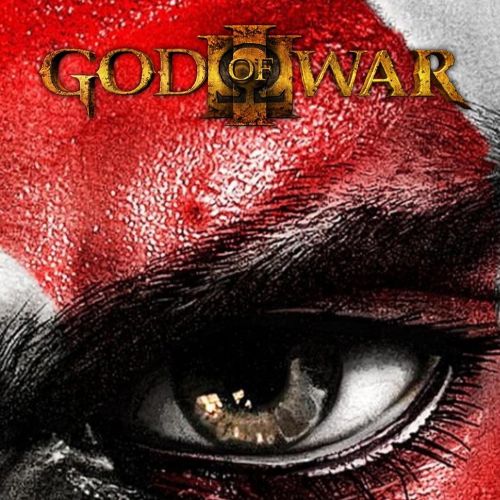
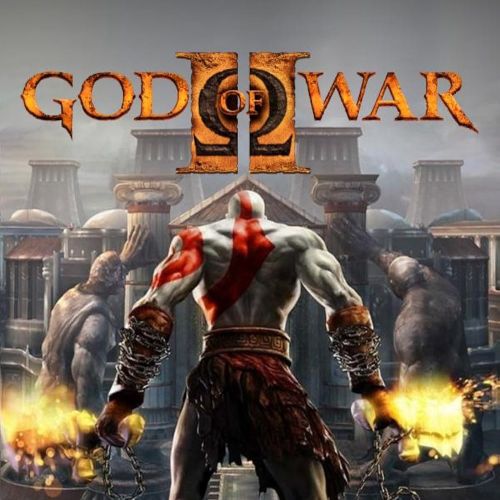
More importantly, the game established Kratos as one of gaming’s most recognizable characters. His tragic backstory and relentless personality set him apart from traditional heroic protagonists. The franchise continued to expand with sequels such as God of War II, God of War III, and later entries that shifted the narrative into Norse mythic settings. These later titles explored new themes, including fatherhood and redemption, showing the evolution of Kratos’ character over time.
Beyond gaming, the God of War video game influenced comic books, novels, and academic discussions about the adaptation of mythology in modern media. Scholars often cite the series as an example of how ancient myths can be reshaped for interactive storytelling.
Creative Liberties
Although rooted in Greek myth, the God of War video game takes significant creative liberties with its source material. Kratos himself is entirely fictional, and many mythological events are reinterpreted to fit the game’s revenge-driven narrative. For example, the idea that Pandora’s Box could grant the power to kill a god is unique to the game’s storyline. Similarly, the portrayal of the Olympian gods often exaggerates their personalities to heighten drama and conflict.
The game also introduces new mythological scenarios, such as Pandora’s Temple being chained to the Titan Cronos. These imaginative reinterpretations allow the developers to build a dramatic world that still feels rooted in classical mythology. By blending authentic mythological elements with original storytelling, the God of War video game creates a narrative that feels familiar yet entirely new.


Sources
Santa Monica Studio. (2005). God of War [Video game]. Sony Computer Entertainment.
Stover, M. J., & Vardeman, R. E. (2010). God of War. Del Rey.
Wikipedia contributors. (2025). God of War (2005 video game). Wikipedia. https://en.wikipedia.org/wiki/God_of_War_(2005_video_game)
God of War Wiki contributors. (2025). God of War (2005). Fandom. https://godofwar.fandom.com/wiki/God_of_War_(2005)
Jaffe, D. (Director). (2005). God of War [Video game]. Santa Monica Studio.
Hamilton, E. (1942). Mythology. Little, Brown and Company. .
IGN Staff. (2005). God of War review. IGN. https://www.ign.com/articles/2005/03/23/god-of-war
Sony Interactive Entertainment. (2012). Award-winning God of War franchise sales exceed 21 million units worldwide https://sonyinteractive.com/en/press-releases/2012/award-winning-god-of-war-franchise-sales-exceed-21-million-units-worldwide/
Frequently Asked Questions
What is the God of War video game about?
The God of War video game follows Kratos, a Spartan warrior who seeks revenge against the Greek god Ares after being manipulated into killing his own family.
Who created the God of War video game?
The game was developed by Santa Monica Studio and published by Sony Computer Entertainment for the PlayStation 2 in 2005.
Is Kratos a real figure in Greek mythology?
No. Kratos is a fictional character created for the game, although his name resembles a minor Greek mythological figure representing strength.
What mythology inspired the God of War video game?
The original game draws primarily from Greek mythology, featuring gods such as Ares, Athena, and Poseidon along with mythological creatures.
Why is the God of War video game so influential?
Its cinematic storytelling, innovative combat mechanics, and mythological worldbuilding helped redefine action-adventure games and inspired many later titles.