


Yu-Gi-Oh! : A Global Myth Inspired Card Game Phenomenon
| Description | |
|---|---|
| Inspiration | Global Mythology |
| Developer | Konami |
| Type | Card Game |
| Release Year | 1999 |
| Storyline | Duel Monsters, Mystical artifacts, Battles of fate |
Mythlok Perspective
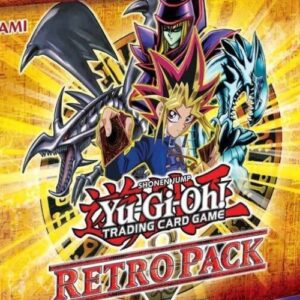
In Mythlok’s View, Yu-Gi-Oh! is less a card game and more a modern ritual system disguised as entertainment. It transforms ancient symbolic frameworks into interactive strategy, where power is invoked, sacrificed, and contested. Like Egyptian divine trials or Norse fate-driven battles, each duel mirrors cosmic conflict. Comparable to the Indian concept of dharma and the Greek idea of heroic contest, it reflects universal patterns where order emerges through struggle and choice.
Yu-Gi-Oh!
Introduction
Yu-Gi-Oh! began as a manga created by Kazuki Takahashi and serialized in Weekly Shōnen Jump in 1996. While the early chapters explored a variety of high-stakes games, reader interest quickly centered on one concept: Duel Monsters. This fictional card game soon became the heart of the franchise and later evolved into a real-world phenomenon through Konami, which launched the official trading card game in 1999.
Over time, Yu-Gi-Oh! expanded into anime, films, video games, and a thriving global competitive scene. With over 35 billion cards sold, it stands among the most successful media franchises in history. What makes Yu-Gi-Oh! enduring is not just its gameplay, but its fusion of storytelling, mythology, and strategy into a single immersive experience.
Game Overview
At its core, Yu-Gi-Oh! is a strategic trading card game where two players, known as Duelists, compete to reduce their opponent’s Life Points from 8000 to zero. Each player builds a deck typically containing 40 to 60 cards, carefully balancing offensive and defensive options.
The game revolves around three primary card types: Monster Cards used for combat, Spell Cards that provide immediate effects, and Trap Cards that introduce reactive strategies. Unlike many other card games, Yu-Gi-Oh! does not rely on a mana system. Instead, players must manage tempo, positioning, and timing to outmaneuver their opponent.
As the game evolved, new mechanics such as Fusion, Synchro, Xyz, and Link Summoning were introduced, allowing for increasingly complex strategies. Competitive play now involves deep knowledge of card interactions, deck-building theory, and predictive decision-making, making Yu-Gi-Oh! both accessible to beginners and highly demanding at advanced levels.
Mythological Inspirations
One of the defining features of Yu-Gi-Oh! is its deep connection to global mythology. The original storyline is heavily influenced by Ancient Egyptian beliefs, centering around mystical artifacts known as the Millennium Items and the spirit of a forgotten pharaoh.
The most iconic examples are the Egyptian God Cards, including Slifer the Sky Dragon, Obelisk the Tormentor, and The Winged Dragon of Ra. These cards reflect divine archetypes tied to power, judgment, and cosmic balance, drawing inspiration from deities such as Ra.
Beyond Egypt, Yu-Gi-Oh! incorporates a wide range of mythological traditions. Norse mythology appears through the Aesir-themed cards inspired by gods like Odin and Thor. South American influences emerge in the Earthbound Immortals, linked to Nazca Line imagery. Chinese history and legend are reflected in archetypes like Ancient Warriors, while elements resembling Indian mythology appear in select card designs inspired by figures like Garuda. This blending of traditions allows players to engage with mythological themes in an interactive way, transforming ancient stories into living gameplay systems.
Characters
The narrative of Yu-Gi-Oh! is driven by memorable characters whose journeys reflect deeper psychological and moral themes. At the center is Yugi Mutou, a shy teenager who solves the Millennium Puzzle. This act awakens the spirit of an ancient pharaoh, Atem, creating a dual identity that blends innocence with confidence.
Yugi’s rival, Seto Kaiba, represents ambition and technological dominance, while Joey Wheeler embodies perseverance and loyalty. Each character’s deck reflects their personality, turning duels into symbolic clashes of ideology as much as strategy. These relationships elevate Yu-Gi-Oh! beyond a simple card game narrative, turning it into a story about identity, friendship, and personal growth.
Symbolism & Gameplay Mechanics
In Yu-Gi-Oh!, gameplay mechanics are deeply symbolic rather than purely functional. Summoning a monster can be interpreted as bringing power into the present, while destroying a card represents loss or transformation. This symbolic layer gives meaning to otherwise abstract rules.
Certain cards embody entire narratives. Dark Magician reflects discipline and mastery, while Blue-Eyes White Dragon represents raw power and dominance. The legendary Exodia cards symbolize inevitability and ultimate victory when all pieces align.
Even mechanics such as Tributes mirror ritual sacrifice, echoing ancient traditions. The concept of chaining effects reflects cause-and-effect relationships, reinforcing the idea that every action in the game has consequences. This fusion of symbolism and mechanics creates a system where storytelling and strategy coexist seamlessly.
Cultural Impact
Yu-Gi-Oh! has had a lasting influence on global pop culture since the early 2000s. It helped define the modern trading card game industry alongside franchises like Pokémon, while also expanding into digital gaming and esports-style competitions.
The franchise has built a worldwide community where players from different cultures connect through shared rules and strategies. Major tournaments and online platforms have turned Yu-Gi-Oh! into both a hobby and a competitive pursuit.
Beyond entertainment, the game encourages critical thinking, memory skills, and strategic planning. It also introduces players to mythological and historical concepts, making it a unique blend of education and recreation.
Creative Liberties
While Yu-Gi-Oh! draws heavily from mythology, it does not aim for strict historical accuracy. Instead, it reinterprets ancient ideas to fit the needs of storytelling and gameplay. For example, Egyptian deities are reimagined as powerful duel entities rather than traditional gods, and darker themes from the manga were softened in international adaptations. The anime often exaggerates gameplay rules for dramatic effect, showcasing impossible strategies that differ from the official card game.
These creative liberties are essential to the franchise’s identity. They allow Yu-Gi-Oh! to remain dynamic and accessible while preserving its mythological essence, striking a balance between authenticity and entertainment.



Sources
Takahashi, K. (2003). Yu-Gi-Oh! 3-in-1 edition, Vol. 1. Viz Media.
Takahashi, K. (2011). Duel art. Studio Dice. (Udon Entertainment, 2017).
Konami. (n.d.). Yu-Gi-Oh! official card game rules. https://www.yugioh-card.com/en/rulebook/
Wikipedia contributors. (2026). Yu-Gi-Oh! Wikipedia. https://en.wikipedia.org/wiki/Yu-Gi-Oh!
Yu-Gi-Oh! Wiki contributors. (2026). Seto Kaiba. Yu-Gi-Oh! Fandom. https://yugioh.fandom.com/wiki/Seto_Kaiba
TheGamer. (2025, May 19). Yu-Gi-Oh! TCG: 10 archetypes inspired by real-world mythology. https://www.thegamer.com/yu-gi-oh-tcg-archetypes-inspired-real-world-mythology/
ScreenRant. (2023, September 27). Yu-Gi-Oh’s three most iconic monsters are actually much deeper than fans think. https://screenrant.com/yugioh-yugi-joey-kaiba-dark-magician-blue-eyes/
Vocal Media. (2025, April 12). Why “Yu-Gi-Oh!” is more than just a card game—It’s a 00s cultural phenomenon. https://vocal.media/geeks/why-yu-gi-oh-is-more-than-just-a-card-game-it-s-a-00s-cultural-phenomenon
Frequently Asked Questions
What is Yu-Gi-Oh! about?
Yu-Gi-Oh! follows Yugi Mutou, who solves an ancient puzzle and battles others through a strategic card game tied to mystical forces.
How does the Yu-Gi-Oh! card game work?
Players use decks of cards to summon monsters, activate effects, and reduce the opponent’s Life Points from 8000 to zero.
Is Yu-Gi-Oh! based on mythology?
Who created Yu-Gi-Oh!?
Yu-Gi-Oh! was created by Kazuki Takahashi and first published in Weekly Shōnen Jump in 1996.
Why is Yu-Gi-Oh! so popular?
Its mix of strategy, storytelling, mythology, and competitive play has built a strong global fanbase over decades.
