God of War 2 : The Fall and Rise of Kratos
| Description | |
|---|---|
| Inspiration | Greek Mythology |
| Developer | Santa Monica Studio |
| Type | Video Game |
| Release Year | 2007 |
| Storyline | Kratos, betrayed by Zeus, seeks the Sisters of Fate to rewrite destiny and exact revenge. |
Mythlok Perspective
In Mythlok’s View, God of War 2 reframes Greek divine hierarchy into a story of rebellion against fate itself. Kratos does not accept destiny as ancient heroes did but actively seeks to destroy it. This echoes Prometheus in Greek tradition and Loki in Norse belief, both challengers of divine order. Yet unlike them, Kratos represents pure defiance without restraint, making him a distinctly modern mythic figure shaped by rage rather than wisdom.
God of War 2
Introduction
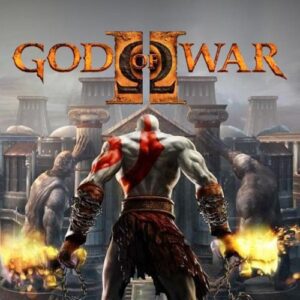
God of War 2 is widely regarded as one of the finest action-adventure games ever released on the PlayStation 2. Launched in March 2007 and directed by Cory Barlog, the game elevated the franchise from a strong debut into a defining gaming saga. Developed by Santa Monica Studio and published by Sony Computer Entertainment, it continues the story of Kratos, a Spartan warrior who has ascended to godhood—only to be betrayed by Zeus.
What makes God of War 2 stand out is its ability to merge mythological storytelling with fluid, brutal gameplay. It expands on the original in every way, offering a deeper narrative, larger environments, and refined combat systems. With a Metacritic score of 93/100 and over 4.24 million copies sold worldwide, the game remains a landmark title in gaming history.
Game Overview
God of War 2 is a single-player action-adventure game built around fast-paced combat, environmental puzzles, and cinematic storytelling. The game uses a fixed camera perspective, allowing players to focus entirely on Kratos’s movement, attacks, and interactions within detailed myth-inspired environments.
Combat is centered around the Blades of Athena, chained weapons that allow for sweeping combos and crowd control. Players can also unlock additional weapons, magical abilities, and relics that enhance both combat and exploration. The game improves significantly on its predecessor by offering more enemy variety, more boss battles, and more expansive levels.
The journey spans diverse locations such as the city of Rhodes, the Underworld, and the Island of Creation. Each area introduces new mechanics and challenges, ensuring that gameplay remains engaging throughout. The seamless blend of combat, platforming, and puzzles keeps the experience dynamic and immersive.
Mythological Inspirations
At its core, God of War 2 is deeply rooted in Greek mythology, though it presents a darker and more violent reinterpretation of familiar stories. The central conflict between gods and Titans reflects the ancient Titanomachy, where the Olympians overthrew the Titans to claim power.
Zeus is portrayed as a fearful ruler who betrays Kratos to prevent a prophecy from coming true. Gaia, one of the Titans, rescues Kratos and guides him, positioning the Titans as allies against Olympus. The Sisters of Fate—Clotho, Lachesis, and Atropos—play a crucial role, controlling the threads of destiny and becoming the key to Kratos’s plan to change his fate.
The game also features iconic mythological creatures such as Gorgons, Minotaurs, Cyclopes, Harpies, and Cerberus. These beings are integrated into gameplay as enemies, reinforcing the mythological atmosphere while maintaining a constant sense of danger. Although the game takes creative liberties, it preserves the essence of Greek myth, where power struggles and divine interference shape every outcome.
Characters
The narrative of God of War 2 revolves around a powerful cast of characters drawn from both mythology and original storytelling. At the center is Kratos, whose journey is driven by rage, betrayal, and a relentless desire for vengeance.
Zeus serves as the primary antagonist, acting out of fear and a desire to maintain control over Olympus. Athena plays a more nuanced role, attempting to guide Kratos while being caught between loyalty and inevitability. Gaia, the Titan, supports Kratos and narrates parts of the story, representing the Titans’ long-standing conflict with the gods.
Throughout his journey, Kratos encounters figures such as Prometheus, Theseus, Perseus, Icarus, and Typhon. These characters are reimagined in darker roles, often serving as obstacles rather than allies. Their portrayals reflect the game’s tone, where survival and power overshadow traditional heroism.
Symbolism & Gameplay Mechanics
The mechanics of God of War 2 are deeply tied to its symbolic themes. The Blades of Athena represent Kratos’s continued bondage to the gods, even after gaining power. They are both a weapon and a reminder of his past.
Artifacts like the Golden Fleece allow Kratos to deflect attacks, symbolizing resistance and control over external forces. Icarus’ Wings introduce vertical movement and represent ambition and the risks that come with it. The Blade of Olympus stands as a symbol of divine authority and the destructive cycle of power.
The gameplay refines combat by introducing smoother combos, more strategic enemy encounters, and a wider range of abilities. Quick-time events enhance the cinematic experience, making boss fights feel intense and memorable. Puzzle-solving and platforming are integrated naturally into the environment, ensuring that gameplay remains varied and engaging. At its core, the game explores themes of betrayal, vengeance, and the struggle between fate and free will. Kratos’s journey is not just about revenge—it is about defying destiny itself.
Cultural Impact
God of War 2 played a crucial role in shaping the future of action-adventure games. It pushed the PlayStation 2 hardware to its limits and is often considered one of the console’s final masterpieces. Its seamless integration of narrative and gameplay set a new benchmark for the genre.
The game also helped popularize Greek mythology among modern audiences, presenting ancient stories in a visceral and emotionally engaging way. Kratos became an iconic anti-hero, representing a darker and more complex interpretation of mythological figures.
Its influence can be seen in later games that emphasize cinematic storytelling, large-scale boss battles, and myth-inspired worlds. Even years after its release, God of War 2 continues to be referenced as a gold standard in game design and storytelling.
Creative Liberties
While God of War 2 draws heavily from Greek mythology, it takes deliberate creative liberties to enhance its narrative. Kratos himself is an original character, created to embody themes of vengeance and defiance.
Many mythological figures are reinterpreted with darker personalities and altered roles. Heroes like Theseus and Perseus are depicted as adversaries, while the Sisters of Fate are transformed into physical beings that can be confronted and defeated. These changes allow the story to remain engaging and interactive.
The game also introduces fictional elements such as time manipulation through the Loom of Fate and powerful artifacts like the Blade of Olympus. These additions expand the mythological framework while maintaining a connection to the original themes of destiny and power. Rather than strictly following mythology, God of War 2 reshapes it into a narrative that prioritizes player experience and emotional impact, creating a story that feels both familiar and entirely new.


Sources
Barlog, C. (2007). God of War II [Video game]. Santa Monica Studio; Sony Computer Entertainment. https://en.wikipedia.org/wiki/God_of_War_II
Divine Retribution Staff. (2025, June 22). God of War II: Exploring Kratos’ epic Greek revenge story. God Wars 2. http://godwars2.com/online-games/god-of-war-ii-exploring-kratos-epic-greek-revenge-story-and-its-impact-on-gaming/
Fandom Contributors. (2024). God of War II. God of War Wiki. https://godofwar.fandom.com/wiki/God_of_War_II
Off, G. (2007). God of War II official strategy guide. BradyGames.
Roper, C. (2007, March 13). God of War II review. IGN. https://en.wikipedia.org/wiki/God_of_War_II#Reception
Vardeman, R. E. (2013). God of War II. Del Rey Books. https://www.goodreads.com/work/editions/13214729-god-of-war-ii
Wikipedia Contributors. (2026). God of War II. Wikipedia. https://en.wikipedia.org/wiki/God_of_War_II
Zimmerman, K. (2007). God of War II: Original soundtrack. Sony Computer Entertainment. https://en.wikipedia.org/wiki/God_of_War_II#Soundtrack
Frequently Asked Questions
What is God of War 2 about?
God of War 2 follows Kratos seeking revenge against Zeus after betrayal and loss of his godhood.
When was God of War 2 released?
God of War 2 released in March 2007 for the PlayStation 2.
Who is the main villain in God of War 2?
Zeus is the main antagonist who betrays Kratos to prevent a prophecy.
Is God of War 2 based on mythology?
Yes, it is inspired by Greek mythology but reimagines characters and events.
Why is God of War 2 so popular?
Its storytelling, combat system, and mythological depth made it a legendary game.