

Galang Kaluluwa : The Philippine God Behind the First Coconut Tree
At a glance
| Description | |
|---|---|
| Origin | Philippine Mythology |
| Classification | Gods |
| Family Members | N/A |
| Region | Philippines |
| Associated With | Companionship, Sacrifice, Creation, Coconut tree |
The Mythlok Perspective
In Mythlok’s Perspective, Galang Kaluluwa offers a different vision of creation from many mythologies around the world. While figures such as the Norse giant Ymir or the Chinese giant Pangu bring forth the world through cosmic sacrifice, Galang Kaluluwa’s legacy is far more intimate. His death gives rise not to mountains or oceans, but to the coconut tree—a living symbol that sustains everyday life. This uniquely Tagalog perspective suggests that divinity is measured not by the scale of creation but by the lasting nourishment and hope it leaves behind.
Galang Kaluluwa
Introduction
Galang Kaluluwa is a primordial deity from Tagalog mythology who plays a significant role in one of the best-known creation stories of the pre-colonial Philippines. Although he is not the supreme creator, his presence is essential to the myth that explains the origin of the coconut tree, one of the most valuable plants in Filipino culture. Alongside Bathala, the creator deity, and Ulilang Kaluluwa, the orphaned serpent spirit, Galang Kaluluwa represents peace, companionship, and the transformative power of sacrifice.
Unlike many mythological figures remembered for epic battles or supernatural feats, Galang Kaluluwa’s importance lies in his relationships and his lasting contribution to the world. Traditional Tagalog folklore describes him as a wandering, winged spirit who traveled freely across the universe until he encountered Bathala. Their friendship became one of the few harmonious relationships among the primordial beings. After Galang Kaluluwa’s death, Bathala honored his final wish by burying him where Ulilang Kaluluwa had once fallen. From that sacred ground grew the first coconut tree, linking Galang Kaluluwa forever with renewal, life, and prosperity.
Physical Traits
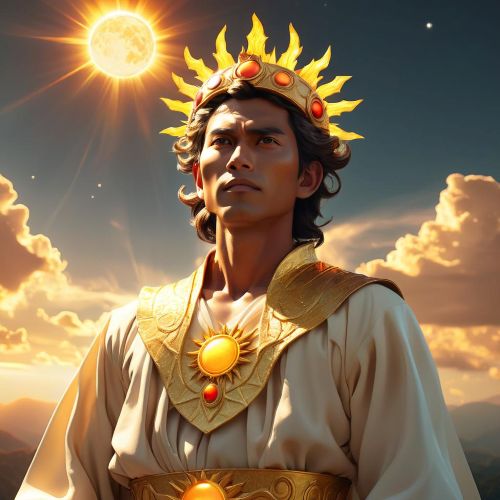
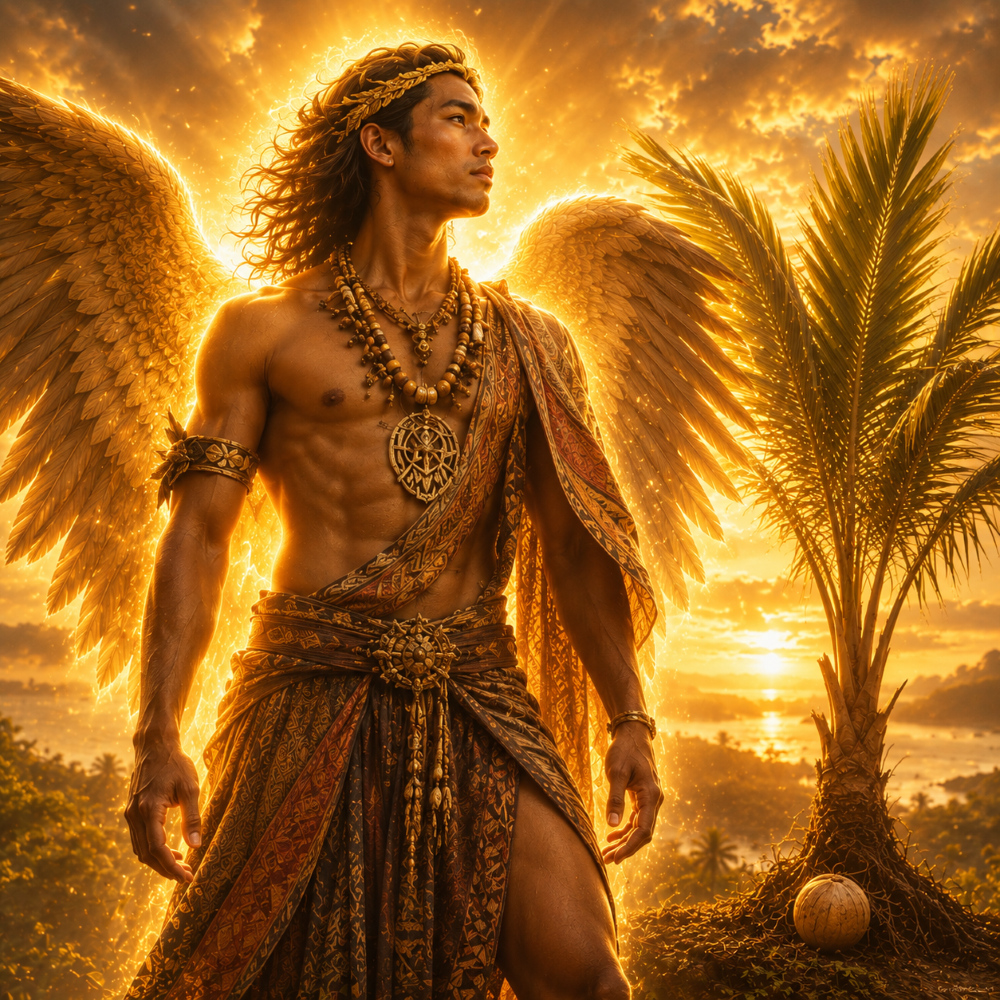
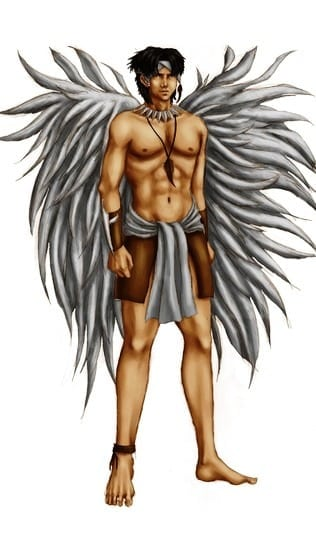
Galang Kaluluwa is consistently portrayed as a winged deity whose appearance reflects his role as a celestial wanderer. Unlike many gods who are described with elaborate clothing, weapons, or royal regalia, traditional accounts focus almost entirely on his wings. These wings symbolize freedom, movement, and his ability to travel across the heavens before the earth became populated.
Historical versions of the myth provide few additional physical details, leaving much of his appearance open to artistic interpretation. Rather than emphasizing physical strength or intimidating features, the stories portray him as a gentle divine being whose peaceful nature distinguished him from the more confrontational Ulilang Kaluluwa.
His physical form also becomes part of the mythology surrounding the coconut tree. According to the legend, the coconut fruit bears features that resemble Galang Kaluluwa’s face, while its long, graceful leaves are said to resemble his wings. This symbolic connection transformed the coconut into a lasting reminder of his sacrifice and ensured that his memory remained woven into everyday Filipino life.
Family
The surviving Tagalog creation myths do not identify Galang Kaluluwa as having parents, siblings, a spouse, or descendants. Like Bathala and Ulilang Kaluluwa, he exists as one of the primordial divine beings who predate humanity and conventional family structures.
Instead of family ties, the mythology emphasizes his friendship with Bathala. Their relationship stands in sharp contrast to Bathala’s violent encounter with Ulilang Kaluluwa, who challenged his authority. When Galang Kaluluwa arrived, he was welcomed peacefully, and the two deities lived together in harmony.
This friendship became the emotional center of the myth. After Galang Kaluluwa eventually fell ill, Bathala cared for him until his death and fulfilled his final request regarding his burial. The resulting growth of the first coconut tree transformed their friendship into a symbol of remembrance and renewal, demonstrating that companionship could shape creation just as profoundly as conflict.
Other names
The name Galang Kaluluwa is commonly translated as “Wandering Spirit” or “Wandering Soul,” reflecting both his restless nature and his role as a traveler through the cosmos. The meaning of his name aligns closely with his portrayal in Tagalog folklore as a divine being who roamed freely before settling beside Bathala.
Some historical texts combine the words into Galangkalulua, while modern publications generally separate them into the more familiar Galang Kaluluwa. Despite these spelling variations, they refer to the same mythological figure. Modern writers occasionally describe him as the Winged God or Winged Wanderer to distinguish him from other primordial deities, although these are descriptive titles rather than traditional names found in early oral traditions.
Powers and Abilities
Galang Kaluluwa’s abilities reflect his symbolic role within the Tagalog creation narrative rather than overwhelming displays of divine power. His defining characteristic is his ability to travel freely across the heavens, made possible by his great wings. This freedom of movement reinforces his identity as a wandering celestial being who explored the universe before eventually finding companionship.
Unlike Bathala, who actively shapes creation, or Ulilang Kaluluwa, whose story revolves around conflict, Galang Kaluluwa’s greatest influence comes through transformation. Following his death, Bathala buried him according to his wishes, and from that sacred resting place emerged the first coconut tree. In this way, Galang Kaluluwa became an indirect source of life, providing humanity with a tree that would later supply food, water, shelter, rope, timber, oil, and countless other necessities.
His story also associates him with peace, generosity, and selfless legacy. Rather than exercising authority through force, his influence continues because his sacrifice enriches the world long after his life has ended. This makes him one of the more symbolic primordial figures in Philippine mythology, representing renewal instead of conquest.
Modern Day Influence
Galang Kaluluwa remains an important figure in discussions of Philippine mythology, particularly when exploring indigenous Tagalog beliefs before Spanish colonization. His story is frequently included in folklore collections, educational materials, museum exhibits, and cultural preservation projects that seek to introduce younger generations to pre-colonial traditions.
The legend also reinforces the cultural significance of the coconut tree, often called the “Tree of Life” because nearly every part of it serves a practical purpose. By connecting the coconut’s origin to Galang Kaluluwa’s sacrifice, the myth explains not only the tree’s usefulness but also its sacred place within traditional Filipino culture.
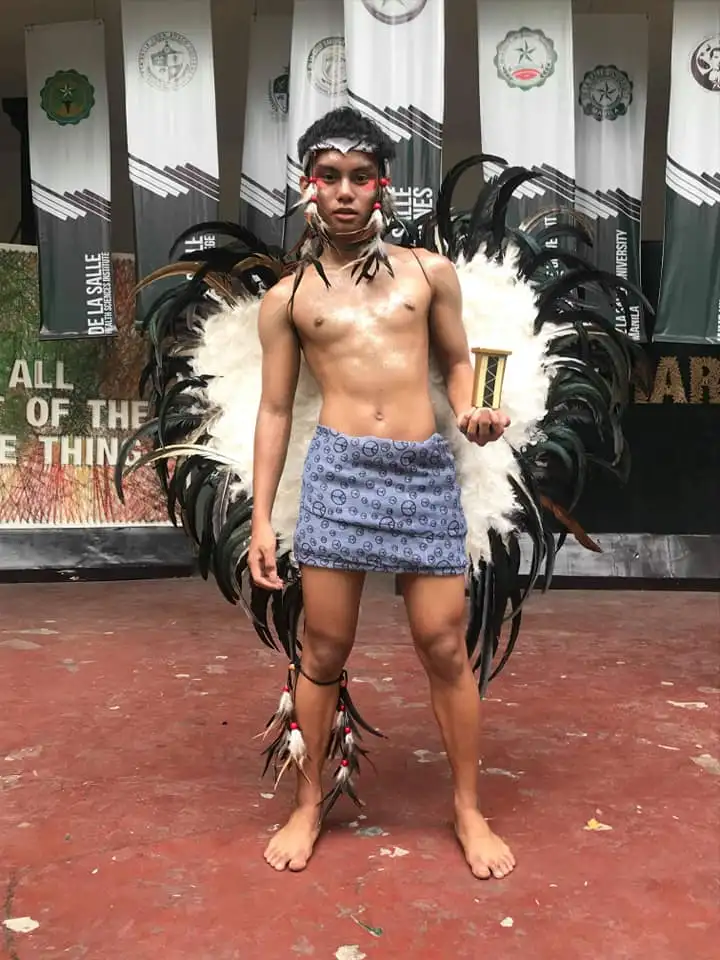
Today, artists, writers, and digital creators continue to reinterpret Galang Kaluluwa in illustrations, novels, games, and mythology-inspired media. While modern adaptations sometimes expand his character beyond the original folklore, the heart of the myth remains unchanged. He continues to embody the idea that compassion, friendship, and sacrifice can leave a legacy that nourishes generations long after one’s life has ended.
Related Images





Source
De Guzman, M. L. (2019, April 4). Filipino creation myth. University of Southern California Folklore Archive. https://folklore.usc.edu/filipino-creation-myth-2/
The TAGALOGS origin myths: Bathala the creator. The Aswang Project. https://www.aswangproject.com/bathala/
Jocano, F. L. (1969). Outline of Philippine mythology. Quezon City: Centro Escolar University Press.
Demetrio, F. R. (1992). The soul book: Introduction to Philippine pagan religion. Quezon City: GCF Books.
Eugenio, D. L. (1993). Philippine folk literature: The myths. Quezon City: University of the Philippines Press.
Scott, W. H. (1994). Barangay: Sixteenth-century Philippine culture and society. Quezon City: Ateneo de Manila University Press.
Ileto, R. C. (1979). Pasyon and revolution: Popular movements in the Philippines, 1840–1910. Quezon City: Ateneo de Manila University Press.
Frequently Asked Questions
Who is Galang Kaluluwa in Philippine mythology?
Galang Kaluluwa is a primordial winged deity in Tagalog mythology who befriends Bathala and becomes associated with the origin of the first coconut tree.
What does Galang Kaluluwa mean?
The name Galang Kaluluwa is commonly translated as “Wandering Spirit” or “Wandering Soul,” reflecting his role as a traveler across the primordial universe.
How is Galang Kaluluwa connected to the coconut tree?
According to Tagalog creation mythology, Bathala buried Galang Kaluluwa after his death, and the first coconut tree grew from his burial site as a symbol of renewal and life.
Was Galang Kaluluwa related to Bathala?
No. Traditional Tagalog myths do not describe them as family. Instead, Galang Kaluluwa is remembered as Bathala’s trusted friend and companion.
Why is Galang Kaluluwa important in Tagalog mythology?
Galang Kaluluwa symbolizes friendship, sacrifice, and transformation. His story explains the sacred origin of the coconut tree, one of the most valuable plants in traditional Filipino culture.