Gods of Balance and Chaos in Ancient Civilizations and Sacred Traditions
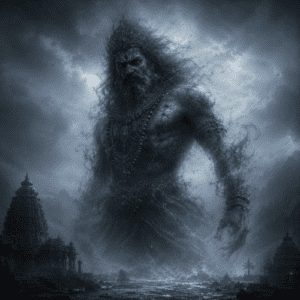
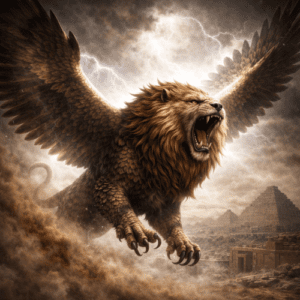
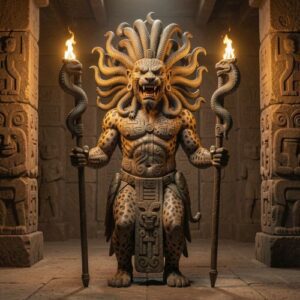
Across cultures, balance and chaos are among the most powerful forces in mythology. Ancient civilizations often viewed the universe as a constant interaction between order and disorder, stability and disruption, creation and destruction. Rather than existing as simple opposites, these forces were understood as interconnected powers that shaped reality itself.
In many traditions, balance represents harmony, structure, and the natural order of existence. Chaos, by contrast, symbolizes unpredictability, transformation, and the forces that disrupt stability. Together, they form a cycle that drives change and renewal throughout the cosmos.
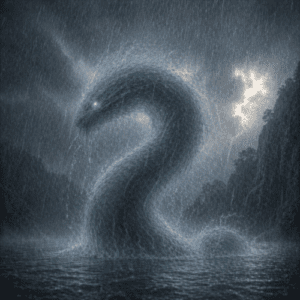
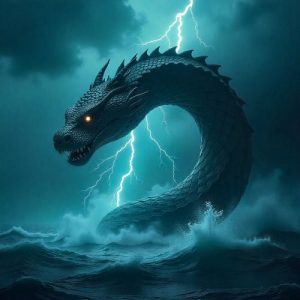
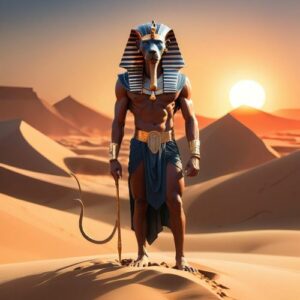
In Egyptian tradition, the principle of Ma’at represents truth, balance, and universal harmony. Opposing this is the chaotic force of Apep, which threatens to consume order and plunge the world into darkness. Their eternal conflict reflects the fragile balance required to sustain existence.
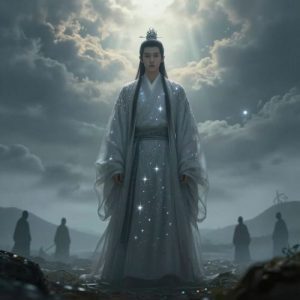
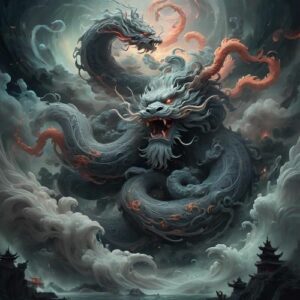
In Chinese philosophy and mythology, the concept of yin and yang expresses balance through opposing but interconnected forces. Light and dark, motion and stillness, creation and dissolution all exist together in dynamic equilibrium. Chaos is not always destructive, and order is not always permanent. Instead, both are necessary parts of cosmic balance.
Norse mythology similarly reflects this tension through the constant struggle between the ordered world of the gods and chaotic primordial forces. Figures such as Loki embody disruption and unpredictability, challenging established systems and driving transformation.
In many traditions, chaos is not viewed purely as evil. It is often the force that breaks stagnation, allowing growth and change to emerge. Likewise, balance is not simply control or rigidity. True balance requires adaptation and movement rather than complete stillness.
What unites these archetypes is their role in explaining the instability of existence. Seasons change, civilizations rise and fall, and life itself moves between creation and destruction. Mythology reflects this through divine forces that maintain, challenge, and reshape cosmic order.
Exploring Balance and Chaos reveals how ancient cultures understood reality as dynamic rather than fixed. Order without change leads to stagnation, while chaos without restraint leads to collapse. Together, these forces create the tension through which life evolves. Through myth and symbolism, Balance and Chaos become more than opposing ideas. They represent the eternal rhythm of existence itself, where harmony and disruption continuously shape the universe and the human experience.