Canaanite, Phoenician & Ugaritic Mythology
Canaanite, Phoenician, and Ugaritic mythology represents a closely related group of ancient religious traditions that developed across the Levantine coast and its surrounding regions. These traditions were shaped by agricultural communities, city-states, maritime trade, and interactions with neighboring cultures. Their gods were closely connected to storms, fertility, the sea, war, death, and the cycles of nature. Although these traditions shared many deities and themes, Canaanite, Phoenician, and Ugaritic religion developed in different historical and regional contexts and should not be treated as a single uniform belief system.
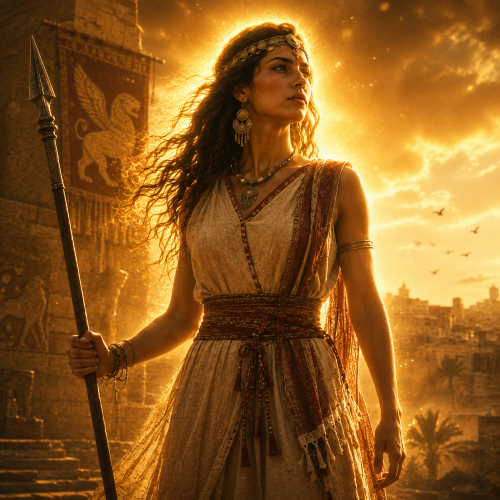
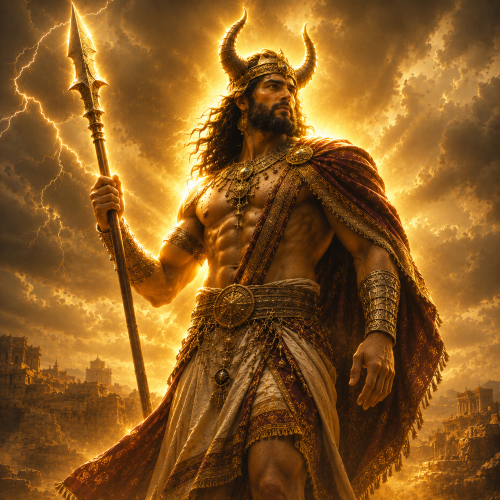
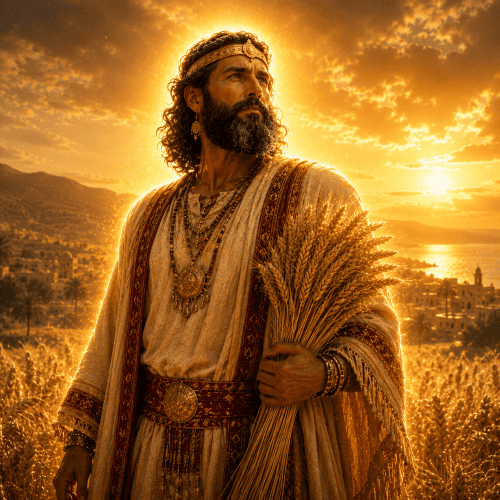
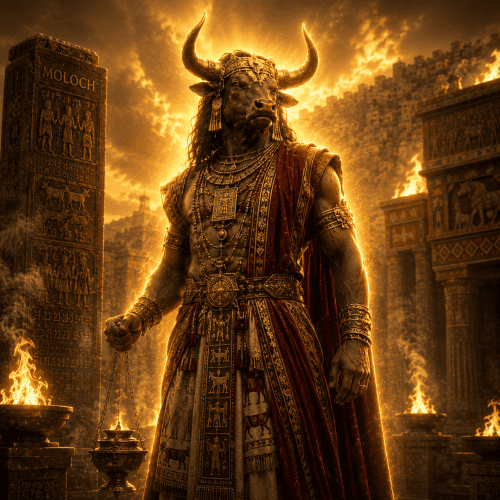
Canaanite religious traditions encompassed communities across parts of the ancient Levant, including areas corresponding to modern-day Lebanon, Israel, Palestine, Jordan, and Syria. At the center of many Canaanite traditions was El, an elder god associated with divine authority and the head of the pantheon. Asherah was an important mother goddess, while Baal became one of the most prominent divine figures associated with storms, rain, and agricultural fertility. Other deities, including Anat, represented warfare and divine power. Together, these figures formed a complex divine world in which fertility, kingship, weather, and the survival of human communities were closely interconnected.
The Ugaritic tradition provides some of the clearest surviving evidence for the religious world of the ancient Levant. Texts discovered at Ras Shamra, the site of ancient Ugarit on the Syrian coast, include mythological poems written in a distinctive alphabetic cuneiform. Dating largely to the second millennium BCE, these texts preserve narratives involving Baal, El, Anat, Mot, and Yam. The Baal Cycle describes Baal’s struggle with Yam, the personification of the sea, and his conflict with Mot, associated with death and sterility. These narratives connect divine conflict with themes of rain, fertility, drought, death, and renewal.
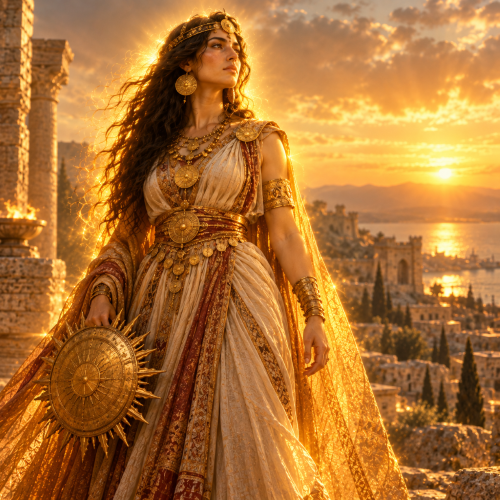
Phoenician religion developed among the maritime city-states of the Levant, including Tyre, Sidon, and Byblos. Phoenician communities shared many religious traditions with their Canaanite neighbors while developing distinctive local forms of worship. Melqart was particularly important at Tyre, where he was associated with kingship and the city’s political identity. Astarte was another widely worshipped goddess associated with fertility, sexuality, and warfare. As Phoenician merchants established settlements across the Mediterranean, including Carthage, their religious traditions traveled with them and interacted with local cultures.
Rituals and religious practices were central to these traditions. Temples served as places for offerings, ceremonies, and communication with the divine, while seasonal festivals reflected the agricultural cycles that governed life in the ancient Levant. For coastal communities, religious traditions were also connected to maritime life, trade, fertility, and the unpredictable power of the sea. Local variations were common, meaning that the same deity could possess different titles, attributes, or roles depending on the city and period.
The legacy of Canaanite, Phoenician, and Ugaritic mythology remains significant for understanding the religious history of the ancient Near East. Archaeological discoveries, inscriptions, temple remains, and Ugaritic literary texts provide evidence for traditions that existed before and alongside the later development of major monotheistic religions. Their stories preserve ancient ideas about divine authority, nature, fertility, conflict, mortality, and renewal. Through figures such as El, Baal, Anat, Mot, Yam, and Astarte, these traditions offer a window into how communities of the ancient Levant understood the forces that shaped both their world and their lives.