

Tambaloslos : The Dark Forest Spirit of Philippine Folklore
At a glance
| Description | |
|---|---|
| Origin | Philippine Mythology |
| Classification | Spirits |
| Family Members | N/A |
| Region | Philippines |
| Associated With | Lust, Confusion, Misdirection, Forests, |
The Mythlok Perspective
In Mythlok’s Perspective, Tambaloslos is less a monster and more a cultural mirror reflecting humanity’s struggle with excess and imbalance. It transforms desire into something grotesque, reminding communities that unchecked impulses can distort both body and spirit. Similar to the lust-driven spirits of Southeast Asia or the forest tricksters found in African folklore, Tambaloslos stands at the edge of morality and chaos. Unlike figures such as the Greek satyrs or Japanese yokai tied to desire, Tambaloslos is harsher, more cautionary, and deeply rooted in social discipline.
Tambaloslos
Introduction
The Tambaloslos is one of the more unsettling figures in Philippine folklore, especially within Bicolano, Visayan, and Cebuano traditions. Often described as a forest-dwelling spirit, it is remembered not just for its disturbing form but for what it represents. At its core, Tambaloslos embodies uncontrolled desire, excess, and moral imbalance. Stories about this creature were traditionally told in rural communities as cautionary tales, warning people—especially those venturing into forests—about the dangers of losing both direction and self-control.
Unlike heroic figures from epics such as the Ibalong Epic, Tambaloslos exists on the darker edge of folklore. It is not a protector or guide but a trickster and predator, associated with confusion, fear, and shame. Its presence in oral tradition reflects how communities used storytelling to communicate social boundaries, particularly around behavior, sexuality, and respect for nature. Even today, the name carries a cultural weight, often used metaphorically in local languages to describe foolishness or inappropriate behavior.
Physical Traits
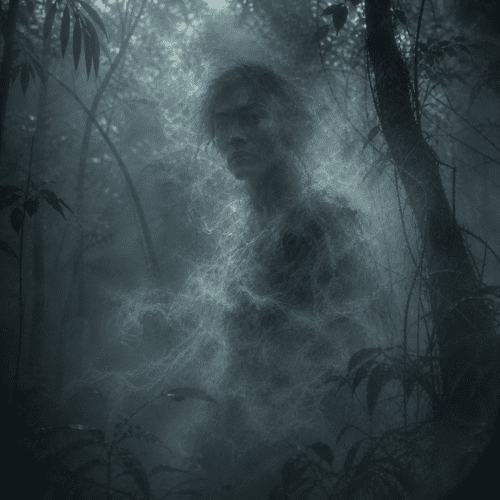
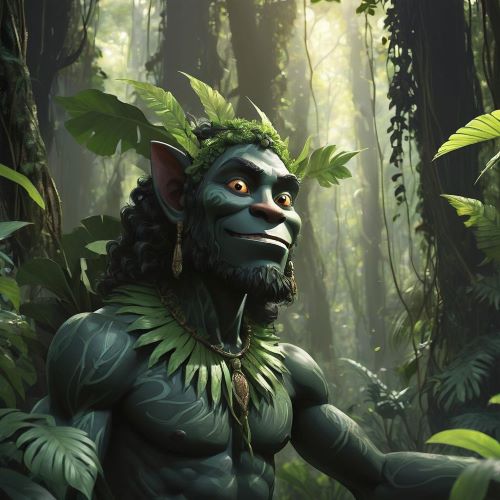
Descriptions of Tambaloslos are intentionally exaggerated, designed to provoke discomfort and fear. It is typically portrayed as a dark, wrinkled humanoid creature with a lanky and awkward build. Its limbs are long and uneven, often ending in hooves rather than human feet, which adds to its unsettling presence in the forest.
One of its most defining features is its distorted face. Tambaloslos is said to have wide, protruding lips that stretch unnaturally when it laughs, sometimes pulling back so far that its face appears almost skeletal. Its body is often covered in coarse hair, with a mane resembling that of a horse or wild boar running from its head down its back.
Another commonly mentioned trait in Bicolano accounts is its exaggerated genitalia, which is central to its symbolic meaning. These grotesque proportions are not merely for shock value but serve as a narrative device, reinforcing its association with lust and excess. The overall appearance of Tambaloslos is deliberately unnatural, ensuring that it is remembered as something beyond human, yet disturbingly close to it.
Family
Tambaloslos does not belong to any known divine lineage or mythological family. Unlike gods, heroes, or even structured spirit hierarchies in Philippine lore, it exists as a solitary entity. This isolation is significant. It reinforces the idea that Tambaloslos is not part of a balanced cosmic order but rather an anomaly—a being that exists outside social and spiritual harmony.
Its independence also reflects its narrative role. Tambaloslos does not interact with other mythological beings in a familial sense. Instead, it operates alone in forests, preying on individuals who wander too far from safety. This lack of connection further emphasizes its nature as a disruptive force rather than a participant in the larger mythological ecosystem.
Other names
Across different regions of the Philippines, the name Tambaloslos appears in several variations, including Tambaluslus, Tambalulos, and Tambaluslos. These differences are largely due to dialectal shifts in Bicolano and Visayan languages, but they all refer to the same core entity.
In Cebuano usage, the word “tambaloslos” has also evolved into a colloquial expression. It is sometimes used humorously or critically to describe someone seen as incompetent or foolish. This linguistic evolution shows how deeply embedded the figure is in everyday culture, moving beyond folklore into common speech while still retaining its original undertones of ridicule and excess.
Powers and Abilities
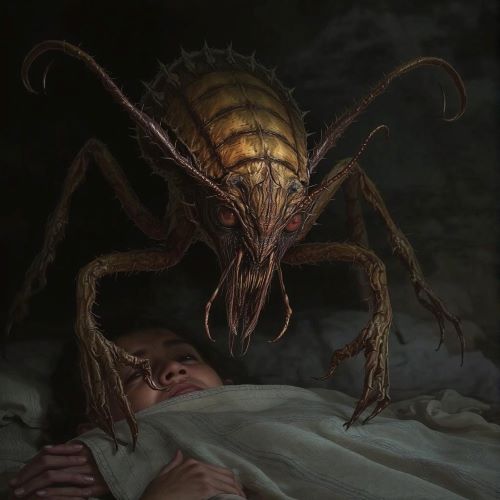
Tambaloslos is primarily known for its ability to disorient and trap its victims. It is said to inhabit dense forests, especially at night, where it targets those who wander alone. One of its most feared abilities is causing people to lose their way, making them walk in circles or become completely disoriented. This phenomenon reflects a common motif in Southeast Asian folklore, where spirits manipulate perception to lure victims deeper into danger.
In more disturbing accounts, Tambaloslos is described as pursuing both humans and animals, driven by uncontrollable impulses. These stories, while unsettling, serve a clear cultural purpose. They act as warnings about vulnerability, isolation, and the consequences of straying too far from safety.
A well-known detail in Bicolano lore connects Tambaloslos to the deity Gugurang. According to tradition, Gugurang punished the creature for its immoral behavior by exaggerating its physical traits, effectively turning its own excess into a burden. This curse not only limits Tambaloslos but also transforms it into a symbol of consequence.
Interestingly, folklore also provides a method of escape. Victims are said to confuse the creature by turning their clothes inside out. This act causes Tambaloslos to burst into uncontrollable laughter, during which its vision becomes obstructed, allowing the victim to flee. This small but memorable detail adds a layer of cultural ingenuity to the myth, showing how humor and wit can overcome fear.
Modern Day Influence
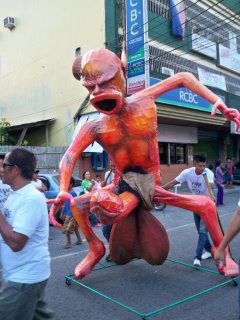
Tambaloslos continues to appear in modern Filipino culture, though its portrayal has evolved over time. In festivals such as the Daragang Magayon Festival, large effigies of folkloric creatures—including Tambaloslos—are displayed, celebrating regional identity and storytelling traditions.
These modern interpretations sometimes spark debate, particularly regarding how faithfully the creature should be represented. Some artists emphasize its grotesque features, while others tone them down or reinterpret them symbolically. This tension reflects a broader conversation about how traditional folklore adapts in contemporary society.
Online platforms have also played a role in preserving and reshaping the legend. Tambaloslos appears in blogs, videos, and social media discussions, often presented with a mix of humor and horror. While the tone may be lighter, the core themes remain intact. It still represents excess, misdirection, and the dangers of losing one’s way—both physically and morally.
Related Images



Source
Bicolano Myths of Gods and Monsters. (2017, January 16). TAMBALOSLOS. http://bicolanomythsofgodsandmonsters.blogspot.com/2017/01/tambaloslos.html
GeniusFirms. (2025, April 12). Tambaloslos: A mythical creature in Philippine folklore. https://www.geniusfirms.com/blog/tambaloslos-a-mythical-creature-in-philippine-folklore/
SunStar. (2016, October 29). 10 creatures and mythical beings every Cebuano knows. https://www.sunstar.com.ph/more-articles/10-creatures-and-mythical-beings-every-cebuano-knows
The Aswang Project. (2022, June 1). TAMBALOSLOS: Does size really matter? https://www.aswangproject.com/tambaloslos/
Reyes, E. D. (n.d.). The creatures of darkness: Ghouls, ghosts and monsters of the Philippines Book 2.
Wiktionary. (2021, December 31). Tambaloslos. https://en.wiktionary.org/wiki/tambaloslos
De La Salle University. (n.d.). Ang tambaloslos bilang dalumat sa pagbasa/g sa mga nakakahong larawan ng babae sa anim na nobelang Filipino na may Gawad Palanca (1984-2005). https://animorepository.dlsu.edu.ph/etd_doctoral/234/
Ramos, M. (1990). Creatures of Philippine lower mythology. University of the Philippines Press.
Frequently Asked Questions
What is Tambaloslos in Philippine folklore?
Tambaloslos is a forest spirit known for causing confusion and symbolizing uncontrolled desire in Visayan and Bicolano traditions.
Where does the Tambaloslos come from?
It originates from the Philippines, particularly in Bicolano, Visayan, and Cebuano folklore traditions.
What powers does Tambaloslos have?
It can disorient travelers, make them walk in circles, and lure victims deeper into forests.
How do you escape Tambaloslos?
Folklore says wearing clothes inside out confuses it, causing laughter and allowing escape.
Is Tambaloslos a god or a spirit?
Tambaloslos is classified as a spirit, not a deity, and exists independently in forest settings.