


Multo : The Wandering Ghosts of Philippine Folklore
| Description | |
|---|---|
| Origin | Philippine Mythology |
| Nature | Not Purely Evil |
| Notable Members | N/A |
| Symbolism | Death, Remembrance, Ancestral connections, Unresolved matters |
| Epics | N/A |
Mythlok Perspective
In Mythlok’s Perspective, Multo represents more than the fear of the dead; it reflects a culture’s reluctance to sever emotional ties with those who have passed. Like Japan’s Yūrei and the restless spirits of European folklore, it gives form to unfinished relationships and unresolved departures. Yet its connection to Filipino family traditions adds another dimension, suggesting that remembrance can be both an act of love and a source of spiritual unease.
Multo
Introduction
In Philippine folklore, Multo refers to the ghost or spirit of a deceased person believed to return to the world of the living. These apparitions occupy an important place in Filipino supernatural traditions, reflecting cultural beliefs about death, the afterlife and the enduring relationship between the living and the departed. Stories of Multo appear across different communities in the Philippines, where encounters with the dead are often associated with familiar places, unresolved matters or connections that continue beyond the grave.
Unlike supernatural beings with distinct identities and established mythological roles, Multo is a general term encompassing different manifestations of the dead. Some accounts describe spirits returning to visit their families, while others portray them as restless souls associated with particular locations or tragic circumstances. Their presence in Filipino storytelling reflects a worldview in which death does not necessarily mark the complete end of a person’s connection with the physical world.
Physical Description
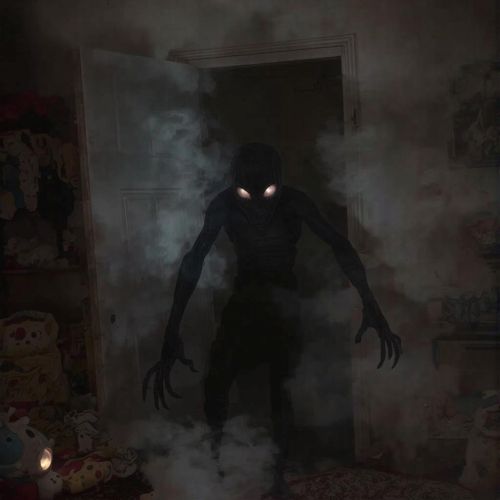
Multo does not have a universally recognised physical appearance in Philippine folklore. Its manifestation generally reflects the identity of the deceased and the circumstances surrounding an encounter. In many ghost stories, a Multo appears as a shadowy or partially transparent human figure resembling the person before death. Other accounts describe apparitions that look remarkably ordinary, sometimes appearing in familiar clothing or in the places where they once lived.
Regional traditions also describe spirits that make their presence known without appearing as clearly defined figures. Unexplained sounds, footsteps, disturbances within a house and unusual animal behaviour can all be interpreted as signs of a returning spirit. These descriptions vary considerably between communities and are rooted in oral traditions rather than a fixed visual representation. The uncertainty surrounding their appearance contributes to the enduring mystery associated with Multo.
Mythological Context
The concept of Multo belongs to a wider Filipino understanding of the supernatural world, where spirits, ancestral beings and unseen forces have traditionally influenced human life. Long before Spanish colonisation, communities across the Philippine archipelago maintained beliefs about souls and their existence after physical death. Ancestors were sometimes regarded as continuing members of the family, with rituals and offerings serving as ways of maintaining relationships with the spiritual world.
Within this broader belief system, not every spirit was considered benevolent. Some were associated with protection and ancestral guidance, while others were feared because of their perceived ability to disturb the living. The distinction between a respected ancestral presence and a restless ghost varies across regional traditions. Multo therefore represents one aspect of a much larger spiritual landscape rather than a separate class of supernatural beings with a uniform set of characteristics.
Origins
The word Multo is linguistically connected to the Spanish word muerto, meaning dead or deceased. Its presence in Filipino vocabulary reflects the influence of Spanish colonial rule and the religious and cultural changes that followed. However, beliefs about deceased spirits existed in the Philippines long before the arrival of Spanish missionaries. The colonial introduction of the word should therefore be distinguished from the much older indigenous traditions surrounding death and the soul.
Precolonial Filipino communities maintained diverse understandings of the afterlife. Among Tagalog communities, anito referred to ancestral spirits and other supernatural entities associated with indigenous religious practices. Other ethnolinguistic groups had their own terminology and customs concerning the dead. Spanish Catholic teachings subsequently introduced additional ideas about the soul, purgatory, prayers for the departed and the fate of those who died. These influences gradually became intertwined with existing traditions, shaping the contemporary Filipino understanding of ghosts and spirits.
Notable Members
Multo is a collective designation rather than the name of an individual mythological character. Consequently, Philippine folklore does not contain a recognised pantheon of named Multo with individual genealogies, personalities or supernatural powers. Instead, different regional traditions describe particular manifestations of deceased spirits and the circumstances surrounding their appearances.
One notable regional example is Alalia, also known as Al-alia or Araria, in Ilokano folklore. It is associated with the spirit of a deceased person believed to revisit their former home and places connected with their life. Traditional accounts describe its appearance on the third or ninth day after death, sometimes accompanied by unusual sounds or disturbances. Such beliefs reflect the importance of funeral customs, remembrance and prayers for the departed in Ilokano communities. Alalia is a distinct regional expression of beliefs about returning spirits rather than simply another name for every Multo.
Relationship with Other Beings
Multo shares the broader supernatural landscape of Philippine folklore with several other well-known beings, although these entities belong to different categories. The Aswang, for example, encompasses various supernatural creatures associated with shapeshifting, predation and dangerous encounters with humans. Unlike Multo, which refers to the spirit of someone deceased, Aswang traditions generally describe supernatural beings with their own identities and characteristics.
Engkanto refers to supernatural beings associated with enchanted places and the natural environment. Diwata, meanwhile, are spiritual beings or deities connected with nature, guardianship and supernatural authority in different Philippine traditions. Anito has a closer conceptual relationship with Multo because of its association with ancestral spirits and indigenous beliefs about the dead. However, the terms are not interchangeable, as anito encompasses a wider range of spiritual concepts than the ghostly manifestations generally described as Multo.
Similar Beings
Several figures in Philippine folklore share characteristics with Multo, particularly their association with deceased souls and supernatural encounters. Mumu is one of the most familiar examples in Filipino popular storytelling. Often compared to the bogeyman, it appears in children’s stories as a frightening supernatural figure used to discourage misbehaviour. Depending on the regional tradition, Mumu may also be associated with restless spirits and the souls of the deceased.
Alalia provides another regional parallel through its association with spirits returning to familiar places after death. Anito also shares certain characteristics with Multo because of its connection to the ancestral spirit world, although its religious and cultural significance extends beyond the idea of ghosts. These similarities demonstrate how Filipino folklore accommodates different interpretations of the relationship between the living and the dead without reducing every supernatural figure to the same category.
Symbolism and Interpretations
Multo represents the enduring connection between the living and the dead in Filipino cultural imagination. Stories about returning spirits frequently explore remembrance, grief, family relationships and the uncertainty surrounding death. The appearance of a deceased relative can symbolise an emotional bond that continues even after physical separation, while accounts of restless souls often reflect concerns about unresolved circumstances or improper treatment of the departed.
The concept also highlights the importance of remembering ancestors and respecting traditional funeral customs. Prayers, offerings and ceremonies for deceased relatives remain significant in various Filipino communities, although their practices differ according to religion and region. Through these beliefs, Multo becomes more than a figure associated with fear. It represents the cultural understanding that the dead continue to occupy an important place in the memories, traditions and spiritual lives of those they leave behind.
Modern Influence
Multo continues to influence contemporary Filipino culture through horror films, television programmes, literature and oral storytelling. Ghosts, haunted houses and unexplained encounters remain popular subjects in Philippine entertainment, drawing upon familiar supernatural beliefs while adapting them to modern settings. The figure of Multo is particularly effective in horror narratives because it connects ordinary human experiences with the uncertainty surrounding death and the afterlife.
The concept has also inspired contemporary artistic and theatrical interpretations. The 2022 research and theatrical project titled Multo: A Performance on the Representation of Undocumented Filipino Migrants and Overseas Workers through the Theatrical Form of Devising used the metaphor of ghosts to explore the marginalisation and experiences of undocumented migrants and overseas workers. This interpretation demonstrates how the idea of being unseen or forgotten can extend beyond traditional supernatural storytelling. Meanwhile, Mumu continues to appear in children’s stories and family folklore, ensuring that supernatural narratives remain part of everyday Filipino cultural expression. Through these different forms, Multo continues to preserve an enduring connection between traditional beliefs, collective memory and modern popular culture.

Sources
Aswang Project. (n.d.). Creatures of Philippine folklore and mythology: A compendium. https://www.aswangproject.com/creatures-mythical-beings-philippine-folklore-mythology/
Aswang Project. (n.d.). Iloko beliefs and practices regarding death. https://www.aswangproject.com/iloko-beliefs-practices-death/
De La Salle University. (2022). Multo: A performance on the representation of undocumented Filipino migrants and overseas workers through the theatrical form of devising. Animo Repository. https://animorepository.dlsu.edu.ph/conf_shsrescon/2022/arts_ta/1/
University of Southern California. (2012). The Mumu. USC Digital Folklore Archives. https://folklore.usc.edu/the-mumu/
Demetrio, F. R. (1968). Towards a survey of Philippine folklore and mythology. Ateneo de Manila University Press.
Jocano, F. L. (1998). Filipino prehistory: Rediscovering precolonial heritage. Punlad Research House.
Ramos, M. D. (1990). The creatures of Philippine lower mythology. Phoenix Publishing House.
Vicerra, P. M., & Javier, J. (2013). Tabi-tabi po: Situating the narrative of the supernatural in the context of the Philippines’ community development. Manusya: Journal of Humanities, 16(2).
Frequently Asked Questions
What is a Multo in Philippine mythology?
A Multo is a ghost or spirit of a deceased person believed to return to the world of the living, often appearing in Filipino folklore through stories of hauntings and restless souls.
What does the word Multo mean in Filipino?
Multo means ghost or spirit of the dead in Filipino. The word has linguistic roots in the Spanish word muerto, meaning dead or deceased.
Are Multo spirits good or evil?
Multo are not inherently good or evil. Filipino folklore describes them as benevolent, restless or malevolent spirits depending on their circumstances and relationship with the living.
What is the difference between Multo and Aswang?
Multo refers to the ghost of a deceased person, while Aswang describes a category of supernatural creatures associated with shapeshifting, predation and other frightening abilities in Filipino folklore.
What are other names for ghosts in Philippine folklore?
Mumu is a familiar term associated with ghosts and frightening spirits in Filipino folklore. Regional traditions also describe figures such as Alalia, a spirit believed to revisit its former home.


