


Sumpurnis : The Dog Headed Monsters of Latvian Folklore
At a glance
| Description | |
|---|---|
| Origin | Baltic Mythology |
| Classification | Hybrids |
| Family Members | N/A |
| Region | Latvia |
| Associated With | Shapeshifting, Man-eating |
Mythlok Perspective
In Mythlok’s Perspective, the Sumpurnis reflects a more organized vision of monstrous races than creatures such as the Greek Cynocephali or the Slavic Psoglav. While those beings are often portrayed as isolated curiosities or savage adversaries, the Sumpurnis belongs to a structured society with its own hierarchy and customs. Rather than representing simple brutality, these Baltic beings blur the line between civilization and monstrosity, suggesting that the unknown can be as sophisticated as it is terrifying.
Sumpurnis
Introduction
Sumpurnis (plural: Sumpurņi) is one of the most distinctive creatures found in Latvian folklore and the wider tradition of Baltic mythology. Rather than referring to a single legendary individual, the name describes an entire race of monstrous humanoids distinguished by their human bodies and canine heads. Their name literally translates to “dog-snout” or “dog-head,” reflecting their most recognizable feature.
Unlike the gods and goddesses who governed the natural world, Sumpurņi belong to the category of malevolent supernatural beings that populated forests, remote islands, and unexplored wilderness. Folk tales portray them as terrifying man-eaters who preyed upon unsuspecting travelers, yet they were not portrayed as mindless monsters. Instead, they possessed their own settlements, rulers, customs, and social hierarchy, making them one of the most intriguing non-human races in Latvian mythology.
Although their stories never reached the widespread popularity of dragons or werewolves, Sumpurņi remain an important part of Latvia’s folklore, representing the dangers that lurk beyond the safety of civilization.
Physical Description
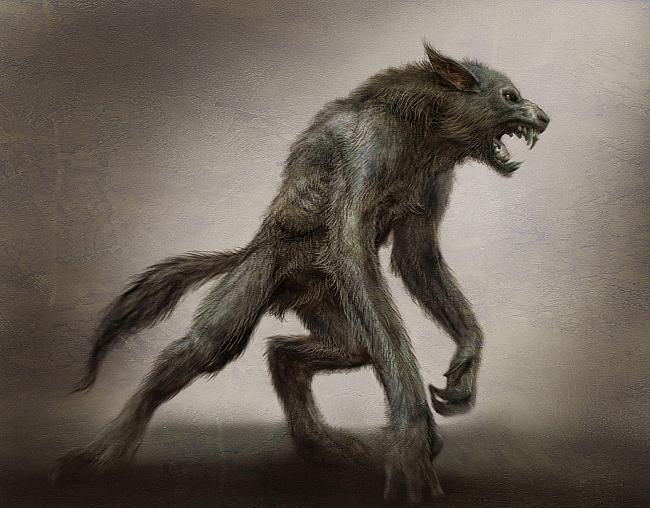
The defining characteristic of a Sumpurnis is its unusual combination of human and canine features. Most folklore describes them as having the muscular body of a human but the head or snout of a large dog. Some regional traditions replace the dog’s head with that of a bird, while others mention one-eyed or one-legged variants that were considered related beings rather than true Sumpurņi.
Their appearance emphasized both intelligence and savagery. They walked upright, wielded weapons when necessary, and lived collectively, yet their animalistic heads reminded listeners that they existed outside the boundaries of ordinary humanity.
Several tales mention that Sumpurņi wore garments woven from leaves or forest vegetation, blending naturally into the wilderness they inhabited. Another unusual feature appears in Latvian folklore: members of their aristocracy or royal families supposedly possessed long tails, which served as symbols of rank and authority rather than physical deformities. The longer the tail, the higher the individual’s social standing.
Mythological Context
Sumpurņi belong to the category of non-divine supernatural beings within Latvian mythology. They exist alongside creatures such as the Lietuvēns, Vadātājs, vilkači (werewolves), and dragons, all of which populate the dangerous spaces outside settled communities.
Unlike Baltic deities, who were associated with natural forces and seasonal cycles, Sumpurņi usually appear as antagonists in heroic legends and folktales. They frequently capture humans, keep prisoners for later consumption, or threaten villages until defeated by a courageous hero.
One of their best-known appearances occurs in the Latvian folk epic Kurbads, where the legendary hero encounters Sumpurņi during his adventures. Their inclusion in heroic narratives reinforces their role as formidable adversaries rather than cosmic beings deserving worship.
Origins
The exact origins of Sumpurņi remain uncertain, as Latvian mythology developed primarily through oral tradition rather than written religious texts. Linguistically, the word derives from the Latvian words suns (“dog“) and purns (“snout” or “muzzle”), emphasizing the creature’s canine appearance.
Scholars generally regard them as part of a widespread Indo-European tradition of dog-headed humanoids, known in medieval Europe as cynocephali. Similar beings appear in Greek, Slavic, Indian, and medieval Christian literature, although Latvian folklore gives them a uniquely local identity by placing them in forests, isolated islands, and hidden kingdoms.
Because the Baltic peoples preserved many ancient oral traditions, Sumpurņi may represent an old folkloric motif that gradually merged with medieval stories about distant monstrous races. However, no definitive historical explanation exists for their creation.
Notable Members
Unlike many mythological races, Latvian folklore does not preserve the names of individual Sumpurņi. Instead, stories focus on the race collectively rather than on memorable personalities.
Some folktales mention Sumpurņu kings or nobles who rule over their people, but these figures remain anonymous. Their importance lies less in their individual identities than in demonstrating that Sumpurņi possessed an organized society complete with leaders, warriors, and social classes. The association of longer tails with nobility further reinforces this hierarchical structure. As a result, Sumpurnis should be understood as a species rather than a singular legendary monster.
Relationship with Other Beings
Sumpurņi typically occupy the role of enemies within Latvian folklore. Their greatest conflicts are with human heroes, travelers, and communities that venture into the wilderness. Although they are sometimes compared with Latvian werewolves because both can be violent and dangerous, the two creatures are fundamentally different. Werewolves are humans capable of transforming into wolves, whereas Sumpurņi are permanently dog-headed beings with their own civilization.
They also share the mythological landscape with creatures such as the Lietuvēns, an oppressive night spirit, and the Vadātājs, a supernatural entity that causes travelers to lose their way in forests. Unlike these spirits, however, Sumpurņi possess physical bodies and interact directly with humans through combat, hunting, and captivity.
Similar Beings
Sumpurņi belong to a broader family of dog-headed beings found across world mythology. The closest parallels are the Cynocephali of ancient Greek and medieval European traditions, who were believed to inhabit distant lands beyond the known world. Croatian folklore tells of the Pasoglavci, another race of dog-headed monsters that similarly embody the concept of dangerous outsiders.
Within Baltic mythology itself, Sumpurņi are occasionally compared with werewolves because of their predatory behavior, but their permanent canine features and organized society distinguish them from shapeshifters. These similarities suggest that dog-headed beings fulfilled a common folkloric role across Europe, symbolizing the unknown lands beyond civilization while adapting to local cultural traditions.
Symbolism and Interpretations
Modern folklorists generally interpret Sumpurņi as embodiments of the fear of the wilderness and the unknown. Their homes in deep forests or remote islands placed them beyond the reach of ordinary society, making them ideal representations of the dangers awaiting travelers who ventured too far from familiar settlements.
Their combination of human intelligence and animal savagery also illustrates the blurred boundary between civilization and untamed nature. Although capable of building societies and recognizing hierarchy, they remain violent predators driven by instincts that separate them from humanity.
The hierarchical structure attributed to Sumpurņi may also reflect medieval ideas about kingdoms and nobility, projecting familiar social institutions onto imaginary races that existed beyond the known world.
Modern Influence
Although Sumpurņi are not as internationally famous as trolls or werewolves, they continue to occupy a place in Latvian cultural heritage. They appear in illustrated folklore collections, fantasy artwork, role-playing games, and discussions of Baltic mythology, where their striking appearance makes them among Latvia’s most recognizable legendary creatures.
Interest in Baltic mythology has also introduced Sumpurņi to wider audiences through online encyclopedias, folklore studies, and modern fantasy literature. Their combination of human and canine characteristics continues to inspire artists and writers seeking lesser-known mythological beings outside the familiar traditions of Western Europe.
Today, Sumpurņi stand as enduring symbols of Latvia’s rich oral tradition, preserving ancient stories about the mysterious beings believed to inhabit the dark forests and distant frontiers beyond the human world.
Related Images
![Image of Sumpurnis, mythical figure from [unspecified] legend.](https://mythlok.com/wp-content/uploads/2024/01/Mythlok-Sumpurnis.jpg "Mythlok - Sumpurnis")



Sources
Archives of Latvian Folklore. (n.d.). Publications. Institute of Literature, Folklore and Art, University of Latvia. https://en.lfk.lv/lfk/publications
Latvian National Encyclopedia. (n.d.). Latviešu mitoloģija [Latvian mythology]. https://enciklopedija.lv/skirklis/242766
Aliens.lv. (n.d.). Sumpurņi. https://www.aliens.lv/s/671-sumpurni
Mūsdienu latviešu valodas vārdnīca. (n.d.). Sumpurnis. https://mev.tezaurs.lv/sumpurnis
Ķencis, T. (2012). A disciplinary history of Latvian mythology. University of Tartu Press.
Gimbutas, M. (1963). The Balts. Thames & Hudson.
Biezais, H. (1972). The Baltic religion. Almqvist & Wiksell.
Laime, S. (2021). Latvian Laumas: Reflections on the witchisation of tradition. Tautosakos Darbai, 62, 51–67. https://doi.org/10.51554/TD.21.62.03
Frequently Asked Questions
What is a Sumpurnis in Baltic mythology?
A Sumpurnis is a dog-headed humanoid from Latvian folklore. Rather than a single monster, it refers to a race of supernatural beings known for their strength, hierarchy, and fearsome reputation.
Is Sumpurnis a god or a monster?
No. Sumpurnis is not a god but a mythical race of monstrous beings in Latvian folklore. They are portrayed as dangerous adversaries that live beyond the boundaries of human civilization.
What did the Sumpurņi look like?
Sumpurņi were described as having human bodies with the heads or snouts of dogs. Some legends also mention leaf clothing, long tails for nobles, and imposing physical strength.
Are Sumpurņi related to werewolves?
No. Unlike werewolves, who are humans transformed into wolves, Sumpurņi are a separate race of permanently dog-headed beings with their own society, rulers, and customs.
What does the Sumpurnis symbolize?
The Sumpurnis symbolizes humanity’s fear of the unknown, particularly the dangers hidden beyond civilization. It reflects Baltic beliefs about wilderness, outsiders, and monstrous societies.
