


Bal-Bal : The Corpse Thief of Philippine Folklore
At a glance
| Description | |
|---|---|
| Origin | Philippine Mythology |
| Classification | Hybrids |
| Family Members | N/A |
| Region | Philippines |
| Associated With | Graveyards, Corpse stealing |
Mythlok Perspective
In Mythlok’s Perspective, the Bal-Bal represents a fear that death does not guarantee peace, particularly when the dignity of the deceased remains vulnerable. Similar anxieties appear in the Greek tales of ghoulish grave desecration and the Norse Draugr, guardians of the dead who disturb the living. Yet the Bal-Bal is distinctive because its legend centres on the violation of funeral rites, making the protection of the dead as important as the survival of the living.
Bal-Bal
Introduction
The Bal-Bal is a supernatural corpse-eating creature associated with Tagbanua folklore of Palawan in the Philippines. Unlike many legendary monsters that hunt the living, the Bal-Bal is feared for its appetite for the dead. According to traditional accounts, it appears when a deceased person is awaiting burial, entering homes where funeral rites are taking place to steal and consume the body. Its unusual ability to move through the air, combined with its long tongue and curved claws, makes it one of the more distinctive ghoul-like beings in Philippine folklore.
The legend of the Bal-Bal is particularly associated with beliefs surrounding death, burial and the protection of the deceased. Its presence in traditional stories reflects the importance of funeral observances and the fear that supernatural creatures might interfere with the passage of the dead. Historical descriptions of the creature provide an interesting glimpse into the supernatural beliefs recorded among the indigenous communities of Palawan.
Physical Description
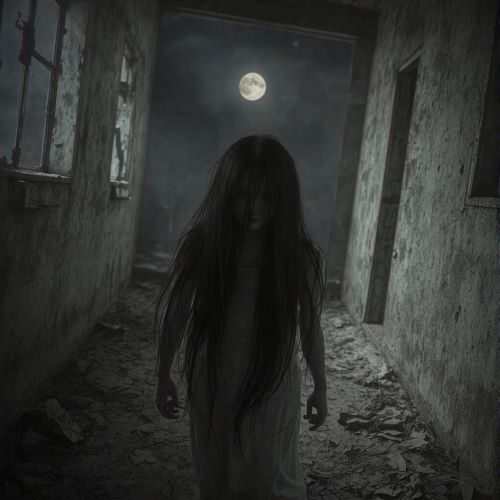
The Bal-Bal is traditionally described as a humanoid creature with an unusual appearance and physical abilities. One of its most distinctive characteristics is its ability to sail through the air, with early descriptions comparing its movement to that of a flying squirrel. Rather than depicting it as a conventional winged monster, this comparison suggests a creature capable of gliding silently between locations.
Its hands possess long, curved nails that allow it to tear through the thatched roofs of traditional houses. Once it creates an opening, the Bal-Bal uses its extraordinarily long tongue to reach down and consume the corpse lying inside. This unusual feeding method is among the most recognisable elements of its folklore.
Some later descriptions also associate the creature with foul breath and other unpleasant physical characteristics. However, its defining features remain its humanoid form, curved claws, aerial movement and elongated tongue. These characteristics distinguish the Bal-Bal from other corpse-eating creatures found in Philippine supernatural traditions.
Mythological Context
Within Philippine mythology, the Bal-Bal belongs to the wider tradition of supernatural beings associated with death and the consumption of human flesh. It is particularly interesting because its predatory behaviour is directed towards corpses rather than people who are still alive. The creature is associated with funeral settings, where families traditionally keep watch over deceased relatives before burial. Its presence in these stories helps explain the importance of maintaining a vigil and protecting the body until the funeral rites are completed.
An especially distinctive element of the Bal-Bal legend involves its ability to deceive mourners. After consuming a corpse, it reportedly leaves a banana trunk in its place, creating the appearance that the body remains inside the coffin. This supernatural substitution allows the creature to escape detection and adds an element of deception to its otherwise straightforward predatory nature. The Bal-Bal therefore occupies a particular place in Philippine folklore, connecting supernatural fears with the customs and responsibilities surrounding death.
Origins
The Bal-Bal is most prominently associated with the Tagbanua people of Palawan, an indigenous community with a long-established cultural presence in the Philippine archipelago. Its traditional description was recorded by Dean C. Worcester in his 1898 book, The Philippine Islands and Their People. Worcester documented the Tagbanua belief in a creature called the Bal-Bal that appeared when a corpse was awaiting burial. His account described it as man-like in form, capable of travelling through the air like a flying squirrel, and equipped with curved nails and a long tongue used to consume the dead.
Interestingly, the historical account also records the belief that the creature came from the Moro country. This detail provides an important geographical element in the traditional description, although it does not establish a definitive place of origin. The creature was subsequently discussed in the works of Filipino folklorist Maximo D. Ramos, particularly his research into the supernatural beings of Philippine lower mythology. These historical and folkloric accounts remain important references for understanding the Bal-Bal beyond contemporary horror interpretations.
It is also worth recognising that the name Balbal appears in different regional traditions. A Maranao account, for example, describes a different supernatural being associated with the bird Laasan and the consumption of corpses and foetuses. These traditions should be understood within their respective cultural settings rather than treated as a single uniform legend.
Notable Members
Unlike mythological gods, ancestral figures and supernatural beings with established genealogies, the Bal-Bal does not have a documented family or hierarchy of named individuals. Traditional accounts primarily describe it as a type of supernatural predator rather than a character with an identifiable personal history. The Tagbanua tradition generally presents the Bal-Bal through its behaviour and physical characteristics. Its identity comes from its unusual relationship with corpses, its ability to enter funeral settings and its deceptive method of replacing stolen bodies.
Other regional traditions also use the name Balbal for different supernatural entities. However, these variations do not establish a recognised group of individual Bal-Bals or a shared mythological lineage. Consequently, the creature is best understood as a folkloric type rather than a named mythological individual.
Relationship with Other Beings
The Bal-Bal is sometimes classified as a type of Aswang, a broad category of supernatural creatures in Philippine folklore associated with shapeshifting, predation and the consumption of human flesh. This classification reflects similarities in their behaviour, although the Aswang tradition encompasses numerous distinct beings with different characteristics. The creature also shares thematic similarities with the Amalanhig, an undead being associated with the Visayas. However, their behaviour differs considerably. The Amalanhig is traditionally associated with attacking the living, whereas the Bal-Bal primarily seeks out the dead.
Another comparable figure is the Buso, associated with corpse-eating beliefs among certain communities in Mindanao. Despite similarities in their appetites, the Buso and Bal-Bal belong to different regional traditions and should not be considered members of the same supernatural family. These connections demonstrate the diversity of Philippine folklore, where different communities developed distinct supernatural explanations for death, disease and the dangers surrounding the deceased.
Similar Beings
Several supernatural creatures from different cultures share characteristics with the Bal-Bal. The Ghouls of Middle Eastern folklore are perhaps the closest comparison because of their association with graveyards, corpses and the consumption of human flesh. The Draugr of Norse mythology also provides an interesting comparison. These undead beings are associated with burial mounds and the dead, although they are generally portrayed as reanimated corpses capable of interacting violently with the living.
Within Philippine mythology, the Buso and certain Aswang traditions offer closer cultural parallels. Both demonstrate the presence of supernatural predators associated with human remains and the boundaries between life and death. Despite these similarities, the Bal-Bal remains distinctive because of its aerial movement, elongated tongue and the peculiar practice of replacing stolen corpses with banana trunks.
Symbolism and Interpretations
The Bal-Bal represents the fear of desecration and the vulnerability of the dead before burial. Its stories highlight the importance of protecting deceased family members during funeral observances, particularly during the period between death and interment. The creature’s association with banana trunk substitution introduces another significant theme: deception. By leaving behind something that resembles the deceased, the Bal-Bal exploits the trust of grieving families and turns a familiar funeral setting into a place of supernatural danger.
Its folklore can also be interpreted as reflecting broader anxieties surrounding death and the treatment of human remains. The body retains cultural and spiritual significance after death, and the idea of a creature consuming it represents a violation of that relationship. These interpretations should be understood as readings of the folklore rather than definitive explanations of the original beliefs. Nevertheless, they help explain why the Bal-Bal remains an intriguing figure within the supernatural traditions of the Philippines.
Modern Influence
The Bal-Bal continues to attract interest among enthusiasts of Philippine folklore, supernatural literature and horror storytelling. Its unusual characteristics make it particularly suited to contemporary retellings, where traditional creatures are reintroduced through illustrated stories, digital publications and discussions about indigenous beliefs. Online folklore archives and cultural websites have also contributed to preserving descriptions of the Bal-Bal, making historical accounts more accessible to readers outside the Philippines. Publications such as the Aswang Project have helped document its characteristics alongside other supernatural beings from different Filipino communities.
Modern interpretations sometimes combine the Bal-Bal with broader Aswang traditions or introduce additional horror elements. However, its traditional identity remains rooted in the Tagbanua accounts of Palawan, where it is remembered as a supernatural creature that preys upon the dead. The enduring appeal of the Bal-Bal demonstrates how regional folklore preserves cultural anxieties, funeral customs and beliefs about the relationship between the living and the deceased. Its legend remains a distinctive part of the supernatural heritage of the Philippines.
Related Images





Source
Demetrio, F. (1968). Towards a Survey of Philippine Folklore and Mythology. Ateneo de Manila University Press.
“Bal-Bal.” (n.d.). In Wikipedia. Retrieved July 19, 2025, from https://en.wikipedia.org/wiki/Bal-Bal
“Balbal.” (n.d.). In Cryptid Wiki. Retrieved July 19, 2025, from https://cryptidz.fandom.com/wiki/Balbal
“Bal-Bal: Unveiling the Mythological Creatures.” (2024, March 10). PinoyMyths.com. Retrieved July 19, 2025, from https://pinoymyths.com/exploring-the-mystic-lore-of-bal-bal-in-the-philippines/
“Bal-Bal.” (n.d.). In Mythical Encyclopedia. Retrieved July 19, 2025, from https://mythicalencyclopedia.com/balbal/
“Balbal.” (2017, February 24). A Book of Creatures. Retrieved July 19, 2025, from https://abookofcreatures.com/2017/02/24/balbal/
“Ghouls in Philippine Folklore.” (2015, April 14). The Aswang Project. Retrieved July 19, 2025, from https://www.aswangproject.com/philippine-ghouls/
“Balbal – Philippine Spirits.” (2017, December 31). Retrieved July 19, 2025, from https://phspirits.com/balbal/
“Bal-Bal – Villains Wiki.” (n.d.). Retrieved July 19, 2025, from https://villains.fandom.com/wiki/Bal-Bal
Frequently Asked Questions
What is a Bal-Bal in Philippine mythology?
The Bal-Bal is a corpse-eating supernatural creature from Tagbanua folklore of Palawan, known for stealing bodies during funeral rites.
Where does the legend of the Bal-Bal originate?
The Bal-Bal originates in Tagbanua folklore from Palawan in the Philippines, where it is feared for disturbing funeral observances.
What does the Bal-Bal look like?
The Bal-Bal is described as a humanoid creature with curved claws, an unusually long tongue and the ability to glide through the air.
What does the Bal-Bal do with stolen corpses?
According to folklore, the Bal-Bal consumes stolen corpses and leaves a banana trunk inside the coffin to deceive grieving families.
Is the Bal-Bal related to the Aswang?
The Bal-Bal is sometimes classified as an Aswang, although it has distinct characteristics and belongs to a specific regional folklore tradition.


