


Alan : The Winged Spirits of Philippine Mythology
At a glance
| Description | |
|---|---|
| Origin | Philippine Mythology |
| Classification | Spirits |
| Family Members | N/A |
| Region | Philippines |
| Associated With | Magic, Flight, Illusions |
Mythlok Perspective
In Mythlok’s Perspective, the Alan challenge the familiar assumption that supernatural beings must be either protectors or predators. Their unusual role as foster parents, transforming discarded reproductive remnants into human children, sets them apart from creatures such as the Greek Harpies, whose stories are more closely associated with punishment and destruction. The Alan reveal a more complicated spirit world, where nurturing and menace coexist, and appearances rarely determine the nature of a being.
Alan
Introduction
The Alan are a class of supernatural beings found in the folklore of the Tinguian people of northwestern Luzon in the Philippines. Recognised by their wings, unusual anatomy and association with forests and springs, these spirits occupy an intriguing position in indigenous Philippine traditions. They are particularly known for their unusual relationship with human children, whom they are said to create from reproductive remnants and raise as their own.
Unlike spirits whose stories revolve primarily around destruction or conflict, the Alan appear in traditional narratives as foster parents, supernatural neighbours and occasionally threatening figures. Their homes are described as extraordinarily wealthy, containing gold, valuable beads and precious jars. Despite their unsettling appearance, they are not consistently portrayed as evil. Their behaviour depends on the circumstances of individual encounters, making them more complex than conventional monsters of folklore. The Alan feature in several Tinguian narratives collected during the early twentieth century, offering an important glimpse into the supernatural beliefs and storytelling traditions of northern Luzon.
Physical Description
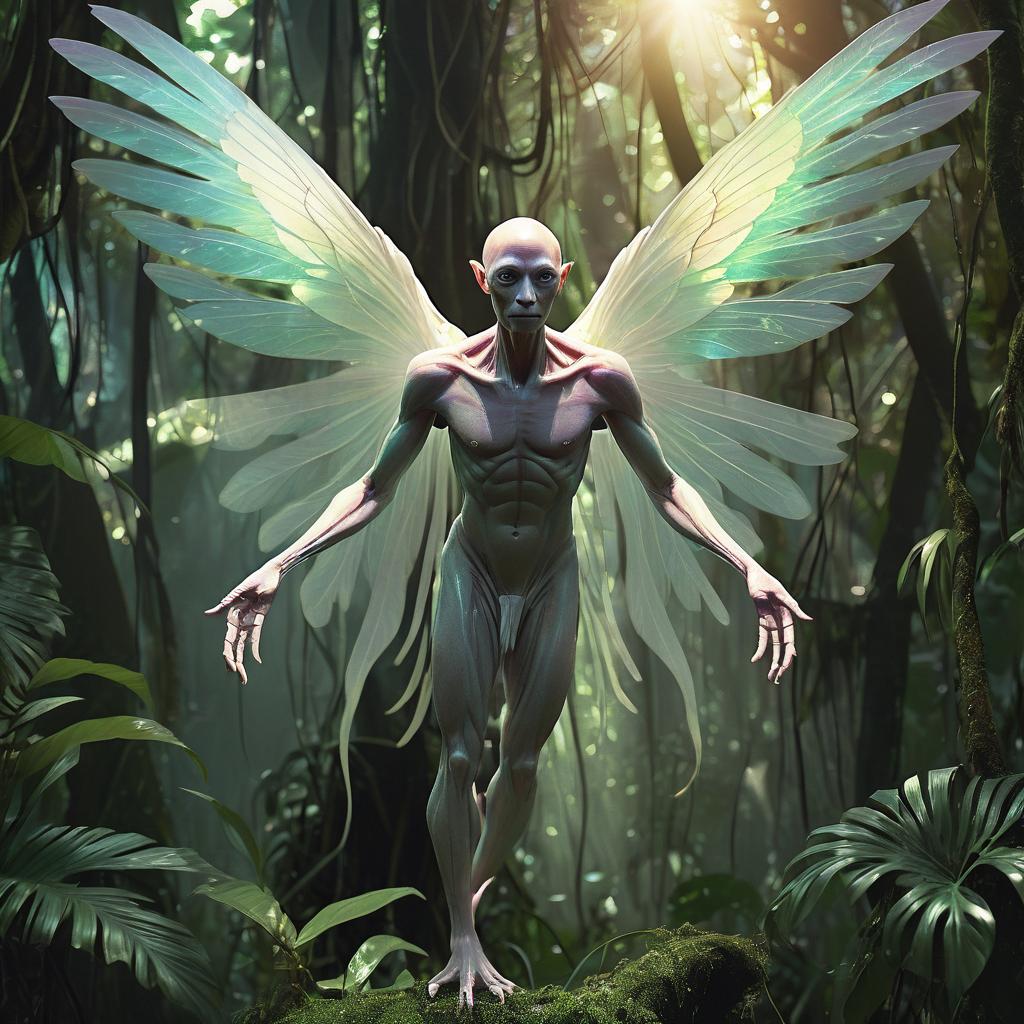
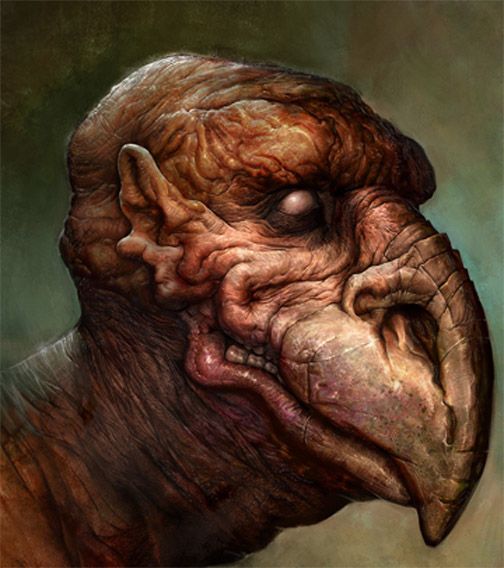
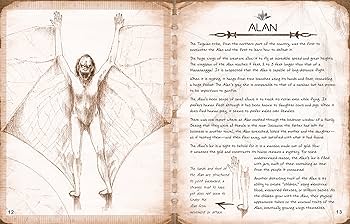
The Alan are described as deformed, winged spirits whose bodies resemble those of humans but possess several unusual anatomical features. According to Fay-Cooper Cole’s Traditions of the Tinguian, they are approximately human-sized, have wings that allow them to fly, and possess fingers and toes that point backwards. Their unusual extremities distinguish them from ordinary humans and reinforce their supernatural identity.
Another characteristic associated with the Alan is their habit of hanging upside down from tree branches, much like bats. This behaviour is described in Mabel Cook Cole’s Philippine Folk Tales, particularly in the narrative The Man and the Alan. Their ability to move through trees and fly gives them considerable freedom within their forest environment. The traditional descriptions do not establish elaborate details about their facial features, skin colour or wing patterns. Instead, their unusual limbs, wings and inverted posture form the defining elements of their appearance.
Mythological Context
Within Tinguian folklore, the Alan are forest-dwelling spirits who maintain an unusual relationship with the human world. They are not completely isolated from people, and traditional stories describe encounters between them and ordinary humans. One of their most distinctive mythological roles is that of supernatural foster parents. They acquire reproductive remnants, including drops of menstrual blood, miscarriages and afterbirth, and transform these into human children. These children are subsequently raised in the Alan’s homes, sometimes growing up without knowing their biological origins.
Their dwellings are frequently associated with springs and are described as exceptionally wealthy. Houses contain gold, valuable beads and elaborate jars, while the surrounding water sources feature golden pebbles and unusual vessels. The Alan are not exclusively benevolent. In some narratives, they become angry when humans deceive them, harm their offspring or refuse their demands. Their stories therefore present supernatural beings capable of affection, generosity, anger and retaliation.
Origins
The Alan originate in the traditional beliefs and oral narratives of the Tinguian people, an indigenous community historically associated with the mountainous areas of northwestern Luzon, particularly Abra in the Philippines. Much of the surviving written documentation comes from Fay-Cooper Cole, who collected Tinguian stories during his stay in the Philippines between 1907 and 1908. His 1915 publication, Traditions of the Tinguian: A Study in Philippine Folk-Lore, provides one of the most important early ethnographic descriptions of these beings.
Cole records that the Alan were understood as deformed spirits inhabiting forests. He also documents their association with springs, their unusual anatomy and their role as foster mothers to important figures in Tinguian narratives. Mabel Cook Cole’s Philippine Folk Tales, published in 1916, provides additional stories featuring the Alan. These accounts help establish that they were not simply isolated supernatural characters but recurring members of the Tinguian spirit world.
Notable Members
The Alan are a class of beings rather than a single individual with a fixed identity. Consequently, traditional folklore does not provide a recognised hierarchy, ruling figure or established list of named Alan individuals. However, several stories in Philippine Folk Tales feature individual members of this supernatural group. In The Alan and the Hunters, a female Alan appears with her child and encounters two human hunters. The narrative explores the consequences of their interaction, particularly the danger created when the hunters mistreat her offspring.
In The Man and the Alan, a group of Alan encounter a human traveller who pretends to be dead. Believing him to have perished, the spirits approach and place gold and beads upon him. When the man refuses to surrender a particular bead they request, the Alan become angry and threaten to burn his house. The threat is subsequently fulfilled. These stories illustrate the different personalities and behaviours associated with individual Alan, although the traditional accounts do not establish personal names for them.
Relationship with Other Beings
The Alan inhabit a supernatural landscape that exists alongside the human world in Tinguian mythology. Their relationships with people are particularly important because they frequently become foster parents to children whose biological origins are connected to supernatural transformation. Their interactions are not always peaceful. Humans who encounter them may receive valuable gifts, but deception, disrespect or harm to their offspring can result in retaliation.
Cole’s ethnographic account also discusses other supernatural beings in Tinguian belief, including the liblibayan and banbanayo. These spirits occupy different positions within the indigenous supernatural world. The Alan are distinguished by their winged bodies, forest dwellings and unusual relationship with human reproduction. Their interactions with humans suggest a supernatural community in which relationships are governed by exchanges, obligations and consequences rather than a simple division between good and evil.
Similar Beings
The Alan share certain physical characteristics with supernatural creatures from other mythological traditions, particularly winged humanoid spirits. The Greek Harpies are an obvious point of comparison because of their association with wings and their partially human appearance. However, the similarities are primarily visual. The Harpies belong to a different mythological tradition and have distinct roles within Greek stories.
The Alan are also comparable to other forest-dwelling spirits found across Southeast Asian folklore. These beings frequently occupy spaces between human settlements and the natural environment, interacting with people through encounters, exchanges and supernatural interventions. Such comparisons help illustrate recurring patterns in folklore without suggesting that these creatures share a common origin or identical mythological functions.
Symbolism and Interpretations
The Alan represent an unusual combination of physical deformity, supernatural motherhood and material abundance. Their backward-pointing fingers and toes distinguish them from humans, while their wings and upside-down posture reinforce their position outside ordinary natural order. Their most distinctive association, however, is with the transformation of reproductive remnants into human children. This aspect of their mythology connects them with ideas of supernatural birth, parenthood and the continuation of life through unexpected means.
Their golden homes and valuable possessions introduce another dimension to their stories. Encounters with the Alan can bring humans extraordinary wealth, but these gifts are accompanied by obligations. Their willingness to retaliate when deceived suggests that generosity and danger coexist within their supernatural relationships. Rather than representing a straightforward moral category, the Alan embody the unpredictability of the spirit world in Tinguian storytelling.
Modern Influence
The Alan remain an important subject for the documentation and preservation of indigenous Philippine folklore. Their descriptions in early ethnographic publications provide researchers with valuable material for understanding Tinguian supernatural beliefs and oral storytelling traditions. The works of Fay-Cooper Cole and Mabel Cook Cole continue to serve as accessible historical records of these narratives. Their accounts have also made the Alan available to contemporary readers interested in lesser-known supernatural beings from Southeast Asian traditions.
Although the Alan have not achieved the international recognition of creatures such as dragons, vampires or Greek mythological beings, their distinctive characteristics make them particularly interesting for comparative folklore studies. Their unusual anatomy, supernatural approach to parenthood and morally complex behaviour offer a perspective on the diversity of Philippine mythological traditions. The Alan are ultimately a reminder of the extraordinary variety of supernatural beings preserved in indigenous storytelling. Their stories continue to offer a window into the cultural imagination of the Tinguian people and the complex relationship between humans and the unseen world.
Related Images
Source
Alan – Creatures of myth Wiki – Fandom. (2008, January 1). Retrieved from https://creatures-of-myth.fandom.com/wiki/Alan
Alan | Warriors Of Myth Wiki – Fandom. (n.d.). Retrieved from https://warriorsofmyth.fandom.com/wiki/Alan
Alan (legendary creature) – Wikipedia. (n.d.). Retrieved from https://en.wikipedia.org/wiki/Alan_(legendary_creature)
Alan | Offbeat Folklore Wiki – Fandom. (n.d.). Retrieved from https://offbeatfolklore.fandom.com/wiki/Alan
Alan – Philippine Spirits. (2018, December 30). Retrieved from http://www.philippinespirits.com/alan/
alan | Facts, Information, and Mythology – Encyclopedia Mythica. (2000, January 17). Retrieved from https://www.pantheon.org/articles/a/alan.html
ALAN, the deformed humanoid/avian Creature of the Philippines. (2016, July 16). Retrieved from https://www.aswangproject.com/alan-deformed-humanoid-avian-creature-philippines/
Frequently Asked Questions
What are the Alan in Philippine mythology?
The Alan are winged supernatural beings from Tinguian folklore in the Philippines, known for their unusual anatomy, forest dwellings and ability to raise magically created human children.
What do the Alan look like?
The Alan are human-sized winged spirits with backward-pointing fingers and toes. They are also known for hanging upside down from tree branches like bats.
Are the Alan evil or benevolent?
The Alan are morally ambiguous supernatural beings. They can nurture human children and offer valuable gifts, but traditional stories also describe them as dangerous when provoked.
What powers do the Alan possess?
The Alan can fly and magically transform reproductive remnants, including menstrual blood and afterbirth, into human children whom they raise as their own.
Where do the Alan live in Tinguian folklore?
The Alan inhabit forests in Tinguian folklore, often living near springs in extraordinary houses filled with gold, precious beads and valuable objects.


