


Why the Kumari Is One of the World’s Most Extraordinary Religious Traditions
In an age where mythology is often confined to museums, books, and ancient ruins, Nepal continues to practice a tradition that blurs the line between myth and reality. Hidden within the bustling streets of Kathmandu is one of the world’s most extraordinary religious institutions—a child who is worshipped as a living goddess. Known as the Kumari, she is believed to embody divine power, receiving blessings from devotees, participating in royal ceremonies, and serving as a bridge between the mortal and the sacred. While visitors often see the Kumari as a fascinating cultural curiosity, for many Nepalis she remains a deeply revered spiritual figure whose presence has shaped the nation’s identity for centuries.
The Kumari tradition stands apart because it is not simply about remembering an ancient deity. Instead, it transforms mythology into a living experience. Unlike statues carved from stone or stories preserved in sacred texts, the Kumari breathes, speaks, grows, and eventually returns to ordinary life. This remarkable cycle has allowed an ancient belief to survive political revolutions, changing dynasties, and the rapid modernization of Nepal. Understanding why this tradition continues requires exploring not only its rituals but also the myths, symbolism, and history that gave birth to one of the world’s most unique religious practices.
The Goddess Who Walks Among People
The word Kumari comes from Sanskrit, meaning “virgin” or “maiden,” but in Nepal it carries a far deeper significance. It refers to a prepubescent girl believed to be the earthly manifestation of Taleju Bhawani, a powerful goddess associated with protection, sovereignty, and divine justice. During her tenure as Kumari, the child is not viewed as merely representing the goddess; she is regarded as the goddess herself. People visit her seeking blessings for prosperity, health, successful ventures, and protection from misfortune.
The most famous of these living goddesses is the Royal Kumari of Kathmandu, who resides in the historic Kumari Ghar near Durbar Square. However, Kathmandu is not the only city where this tradition survives. Other living Kumaris serve communities in Patan, Bhaktapur, and several Newar towns, each maintaining local customs while preserving the same sacred concept. Their existence reflects Nepal’s remarkable ability to preserve ancient traditions within an increasingly modern society.
Perhaps the most fascinating aspect of the Kumari is the religious harmony she represents. Although she is considered an incarnation of the Hindu goddess Taleju, the girls are traditionally selected from the Shakya community, whose members are Newar Buddhists. Rather than creating conflict, the Kumari tradition demonstrates how Hinduism and Buddhism have influenced one another for centuries within the Kathmandu Valley, producing a shared cultural heritage that is rarely seen elsewhere in the world.
The Legend Behind the Living Goddess
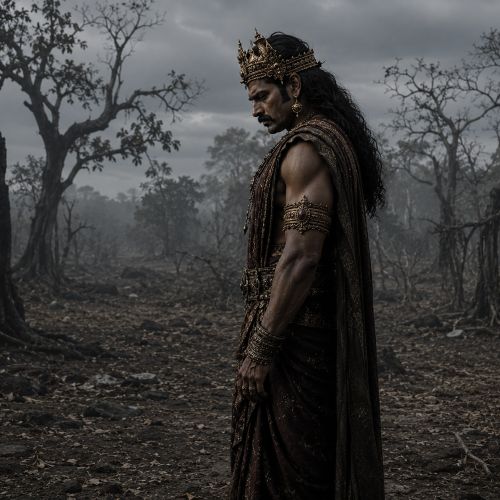
Like many enduring traditions, the Kumari institution is rooted in legend. The most widely accepted story takes us back to the reign of King Jayaprakash Malla during the medieval Malla Kingdom. According to tradition, the king enjoyed nightly games of dice with the goddess Taleju, who appeared before him in human form. Their meetings were sacred and bound by a single condition: they had to remain completely secret, free from curiosity or earthly desire.
One evening, the king is said to have broken this sacred trust. Some versions claim he became captivated by the goddess’s beauty, while others suggest that the queen secretly witnessed one of their meetings. Whatever the reason, Taleju felt betrayed and disappeared forever. Before leaving, however, she promised that she would continue to protect the kingdom—but only by residing within the body of a carefully chosen young girl. From that moment onward, kings were instructed to seek her blessings through this living embodiment rather than expecting the goddess to appear in person.
Although historians debate whether this story reflects actual events, its symbolism is unmistakable. It portrays divine power as something that cannot be possessed or controlled by earthly rulers. Instead, kings themselves became dependent upon the blessings of a child believed to embody the goddess. This inversion of authority gave the Kumari a spiritual influence that often surpassed political power, reinforcing the belief that even rulers remained accountable to the divine.
Choosing the Living Goddess
The selection of a Kumari is one of the most carefully guarded religious processes in Nepal. Candidates are traditionally drawn from the Shakya caste of the Newar Buddhist community and must satisfy numerous physical, spiritual, and astrological requirements. Ancient texts describe these qualifications as the Thirty-Two Perfections, which include features such as flawless skin, healthy teeth, clear eyes, a calm temperament, and an unblemished body. While these descriptions may seem symbolic today, they reflect the ancient belief that divine perfection should be mirrored in the human vessel chosen to embody the goddess.
Astrology also plays a crucial role in the selection process. Priests compare the birth charts of candidates to ensure harmony with the nation’s spiritual traditions. Contrary to popular stories that emphasize terrifying tests involving sacrificed animals or frightening rituals, modern historians generally agree that such tales have often been exaggerated. The emphasis today remains on ritual purity, health, composure, and adherence to centuries-old religious customs rather than dramatic displays of courage.
Once selected, the girl undergoes elaborate consecration ceremonies before taking residence in the Kumari Ghar. From that moment forward, she ceases to be regarded as an ordinary child during public rituals. Every appearance, blessing, and ceremonial gesture becomes part of a sacred role that has been carefully preserved across generations.
A Childhood Unlike Any Other
Life as a Kumari differs dramatically from that of most children. Traditionally, she spends much of her time inside the Kumari Ghar, emerging only for important festivals and ceremonial occasions. Visitors gather daily in the courtyard, patiently waiting for a brief appearance at one of the palace windows. Even a fleeting glance from the living goddess is considered a blessing capable of bringing good fortune.
Despite the aura of mystery surrounding the role, the daily life of modern Kumaris has evolved considerably. Earlier generations often received limited formal education, but contemporary Kumaris are typically taught by private tutors and maintain regular contact with their families. Healthcare, psychological support, and educational opportunities have also improved significantly, reflecting Nepal’s efforts to balance tradition with the rights and well-being of the children who serve in this sacred position.
Perhaps the most unusual aspect of the role is that the Kumari’s expressions are themselves interpreted as divine signs. A smile may be viewed as auspicious, while tears or visible discomfort can be seen as warnings. These interpretations reveal the extraordinary expectations placed upon a child whose smallest actions are often invested with profound religious meaning.
The Festival That Brings the Goddess to the Streets
Each year, Kathmandu celebrates Indra Jatra, one of Nepal’s grandest religious festivals, and it is during this celebration that the Kumari becomes the centre of public attention. Placed upon an ornately decorated wooden chariot, she is carried through ancient streets lined with thousands of devotees, musicians, dancers, and pilgrims. The procession transforms the city into a living theatre where mythology, history, and community converge.
Historically, Nepal’s kings sought the Kumari’s blessing during Indra Jatra before reaffirming their authority over the kingdom. Receiving her blessing symbolized divine approval of their rule, reinforcing the belief that political legitimacy ultimately flowed from the goddess herself. Even after Nepal abolished its monarchy in 2008, the tradition endured. Today, government leaders continue to pay their respects, illustrating how the Kumari remains a symbol of cultural continuity rather than royal power alone.
For visitors, Indra Jatra offers a rare opportunity to witness the living goddess outside the palace walls. For Nepalis, however, the festival remains a profound expression of faith that connects the present generation with centuries of shared religious heritage.
When the Goddess Returns to Ordinary Life
The Kumari’s tenure ends naturally when she reaches puberty or experiences significant blood loss through menstruation or injury. According to tradition, these events signal that the goddess has departed, making way for the search for a new living goddess. The transition is both deeply symbolic and profoundly human, marking the end of an extraordinary childhood.
Former Kumaris gradually return to ordinary life, enrolling in schools, pursuing higher education, building careers, and raising families. Although popular myths once claimed that marrying a former Kumari invited misfortune, countless examples have shown these superstitions to be unfounded. Many former Kumaris have gone on to become educators, artists, professionals, and advocates for preserving Nepal’s cultural heritage while promoting reforms that improve the lives of future living goddesses.
Their stories remind us that behind every divine title is a real person who eventually leaves the sacred role behind. The transformation from goddess to ordinary citizen is perhaps the most remarkable chapter of the Kumari tradition, illustrating that divinity, in this context, is temporary rather than permanent.
More Than a Religious Tradition
The Kumari tradition cannot be understood solely through mythology or ritual. It represents a meeting point between religion, politics, identity, and culture that has shaped Nepal for hundreds of years. It reflects the coexistence of Hindu and Buddhist traditions, preserves the artistic heritage of the Newar people, and continues to attract scholars interested in understanding how ancient beliefs survive within modern societies.
For anthropologists, the Kumari demonstrates how communities create living symbols that reinforce collective identity. For historians, she offers a window into Nepal’s medieval kingdoms and their relationship with divine authority. For believers, she remains a source of blessings and protection. These different perspectives are not mutually exclusive; together, they reveal why the tradition continues to inspire both devotion and curiosity.
In an increasingly globalized world, where many ancient customs are disappearing, the Kumari reminds us that mythology is not always something left behind in history. Sometimes, it continues to evolve alongside the people who keep it alive.

No posts were found.


