Mythological Figures Associated with Darkness in Ancient Civilizations
Darkness has been personified throughout world mythology by gods, spirits, and legendary beings who embody the night, shadows, mystery, and the unknown. While modern culture often associates darkness with evil, ancient traditions viewed it as a far more complex force. It represented the world before creation, the hidden realm of spirits, the cycle of death and rebirth, and the unseen powers that exist beyond human understanding. Figures associated with darkness often serve as guardians, creators, destroyers, or keepers of secret knowledge rather than simple villains.
In Greek mythology, Nyx is the primordial goddess of the night and one of the oldest beings in existence. Born from Chaos, she is revered even by Zeus, symbolizing the immense power and mystery of darkness itself. Her children include many personifications of fate, sleep, death, and dreams, reinforcing the idea that darkness gives rise to fundamental forces of the universe.
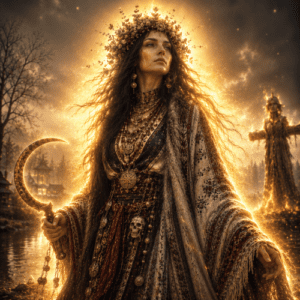
Norse mythology presents Nótt, the divine embodiment of night who rides across the heavens each evening in a horse-drawn chariot. Rather than representing fear, Nótt reflects the natural rhythm of the cosmos, bringing rest and renewal before the arrival of daylight. Her nightly journey emphasizes the balance between darkness and light within the world’s eternal cycle.
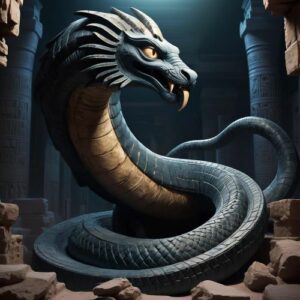
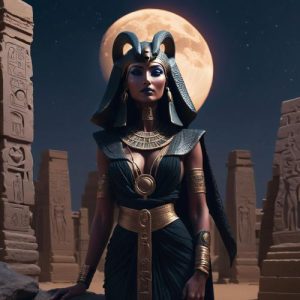
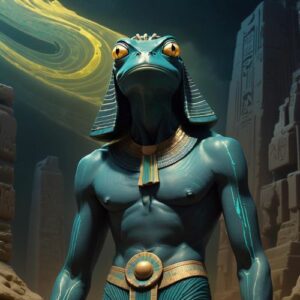
In Egyptian mythology, Apophis represents the destructive side of darkness. This colossal serpent dwells in the underworld and attempts to consume the sun each night as Ra travels through the Duat. Unlike the sacred darkness of creation, Apophis embodies chaos and disorder, making him one of mythology’s greatest adversaries to cosmic balance.
Japanese mythology includes Yami, a concept associated with darkness and the hidden world inhabited by spirits and supernatural beings. Darkness in Japanese tradition is often linked to mystery, transformation, and the boundary between the mortal and spiritual realms rather than being viewed as inherently malevolent.
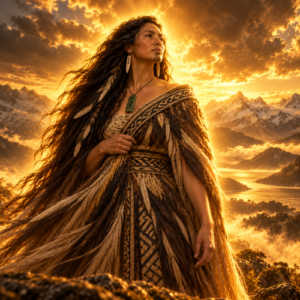
Māori traditions speak of Te Pō, the great realm of darkness that existed before the emergence of light and life. Rather than symbolizing evil, Te Pō represents the primordial state from which creation unfolded, illustrating how darkness can be the beginning of existence rather than its end.
What unites these mythological figures is their connection to the unseen. Whether they govern the night sky, inhabit the underworld, challenge the forces of light, or represent the world before creation, they reveal that darkness is both feared and revered. It is a place of mystery, transformation, and hidden wisdom that lies beyond ordinary perception.
Across cultures, gods and legendary figures of darkness remind us that shadow is an essential counterpart to light. They embody creation as much as destruction, concealment as much as revelation, and endings as much as beginnings. Their stories reveal that darkness is not merely something to overcome, but a fundamental force that shapes the cosmos and the human experience.