


Zorya Vechernyaya : The Evening Star Guardian of Slavic Tradition
At a glance
| Description | |
|---|---|
| Origin | Slavic Mythology |
| Classification | Gods |
| Family Members | Dazhbog, Zorya Utrennyaya, Zorya Polunochnaya |
| Region | Russia, Ukraine, Belarus, Poland, Czech Republic |
| Associated With | Twilight, Venus, Protection, Dusk |
The Mythlok Perspective
In Mythlok’s Perspective, Zorya Vechernyaya stands out because she represents quiet cosmic stability rather than dramatic divine power. She is not remembered for conquest or destruction, but for maintaining the fragile balance between light and darkness every single evening. That makes her one of the most symbolically powerful figures in Slavic tradition. There are striking parallels between Zorya Vechernyaya and celestial guardians from other cultures. She shares similarities with the Greek goddess Eos through her connection to light and transitions, while her cosmic protective role echoes figures like the Norse Norns who maintain the structure of existence. Yet Zorya feels uniquely Slavic because of her closeness to seasonal rhythms and the emotional atmosphere of twilight itself.
Zorya Vechernyaya
Introduction
Zorya Vechernyaya is one of the most fascinating celestial figures in Slavic tradition. Known as the guardian of the evening sky, she is closely associated with the Evening Star, commonly linked to the planet Venus. Her name translates roughly to “Evening Dawn,” reflecting the unique Slavic understanding that twilight was not simply the end of the day, but a sacred transition between light and darkness.
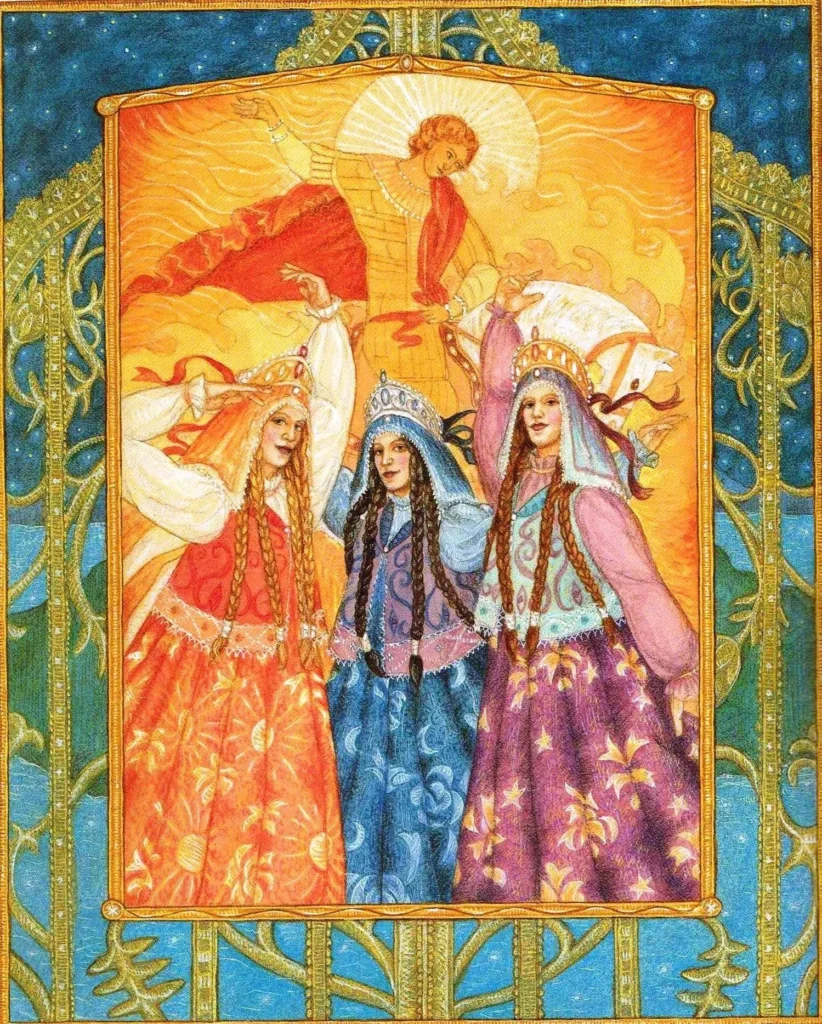
In Slavic folklore, the Zorya are usually portrayed as divine sisters who oversee the movement of the heavens. Zorya Vechernyaya governs sunset and watches over the sky as daylight fades. Her sister, Zorya Utrennyaya, opens the gates of dawn each morning, while some traditions also include Zorya Polunochnaya, the guardian of midnight. Together, they maintain cosmic order and protect the world from destruction.
Unlike some mythological figures who survive through epic poems or organized scriptures, Zorya Vechernyaya emerges from folk songs, oral traditions, charms, and ritual stories scattered across Slavic cultures. Because of this, scholars often reconstruct her mythology through comparative folklore studies. Even with fragmented sources, her role remains remarkably consistent. She is the watcher of the evening heavens, a protector during the dangerous hours of nightfall, and a symbol of balance between opposing forces.
Today, interest in Slavic mythology has grown internationally, and Zorya Vechernyaya has become one of the best-known celestial figures from the tradition. Her image continues to inspire fantasy literature, modern pagan practices, art, and mythology enthusiasts worldwide.
Physical Traits
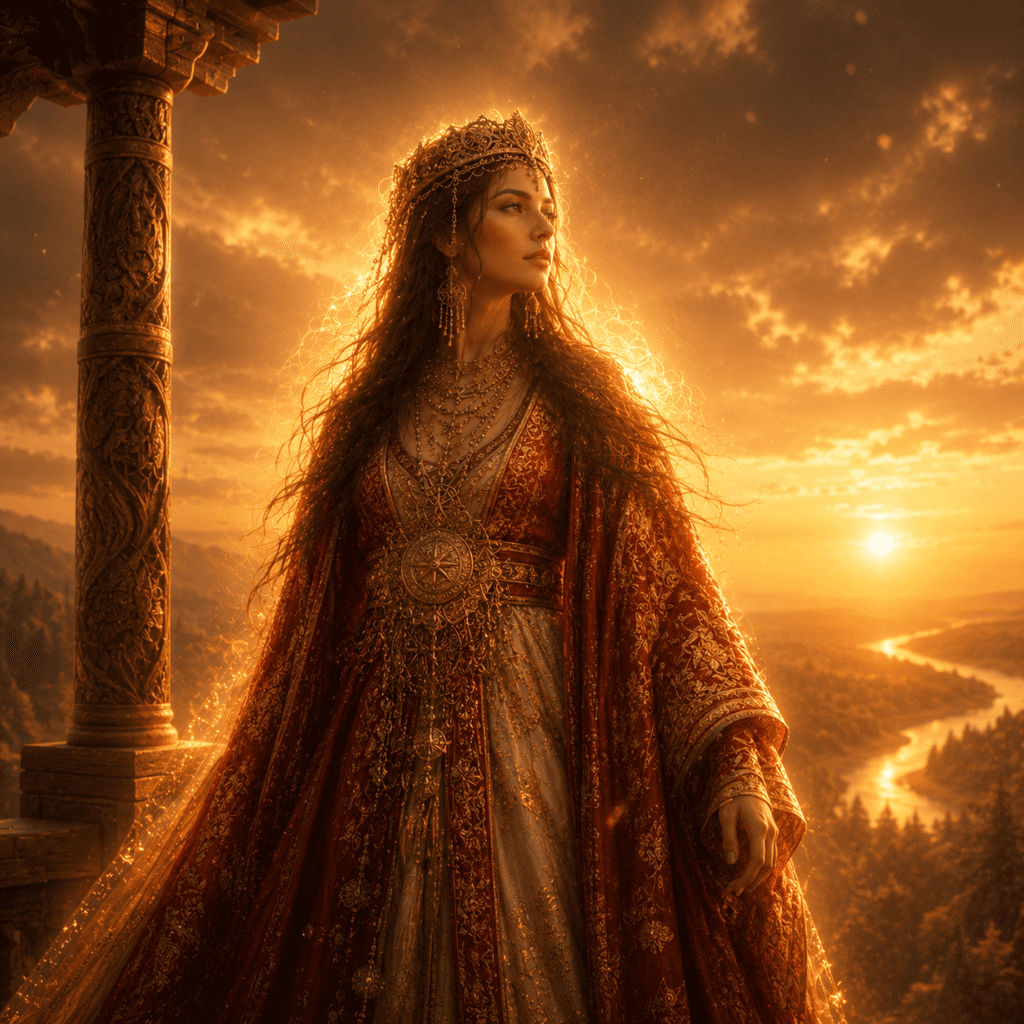
Descriptions of Zorya Vechernyaya focus less on detailed physical appearance and more on the atmosphere she embodies. In most interpretations, she appears as a radiant young woman whose beauty reflects the calm glow of twilight. Her presence is tied directly to the changing colors of the evening sky, making her one of the most visually poetic figures in Slavic folklore.
Artists and folklorists commonly portray her with flowing garments in shades of red, gold, silver, or pale rose, echoing the colors seen during sunset. These visual associations likely developed from the natural beauty of dusk itself. Rather than appearing as a warrior or a fearsome deity, Zorya Vechernyaya represents serenity, elegance, and celestial harmony.
Some regional traditions describe the Zorya sisters as maidens standing watch over the cosmos. Their beauty is symbolic rather than merely physical. They embody purity, cosmic order, and the eternal rhythm of time. In Slavic marriage rituals, scholars have even noted symbolic parallels between the glowing white veil of a bride and the luminous imagery associated with dawn and twilight goddesses.
Unlike many mythological beings who possess monstrous or exaggerated forms, Zorya Vechernyaya remains deeply human in appearance. This grounded portrayal reflects the nature-focused worldview of Slavic folklore, where divine beings often appear closely connected to the natural world instead of existing beyond it.
Family
Zorya Vechernyaya is most frequently identified as the daughter of Dazhbog, the Slavic solar deity associated with sunlight, warmth, and prosperity. In this mythological structure, the Zorya sisters serve their father by guiding and protecting the movement of the sun across the heavens.
Her closest familial connection is with Zorya Utrennyaya, the Morning Star guardian who opens the celestial gates at sunrise. In some traditions, a third sister named Zorya Polunochnaya watches over the midnight sky. Together, these sisters form a celestial triad representing the passage of time from dawn to dusk and into night.
Certain regional legends also connect Zorya Vechernyaya to Perun, the powerful Slavic thunder god. In these stories, she may appear as a divine companion or protector associated with warriors and storms. However, these interpretations vary widely across Slavic regions and are not universally accepted.
Another strand of folklore links her to Mesiats, the moon deity. In some folk traditions, the stars themselves are described as the children of heavenly unions between celestial beings. These stories demonstrate how fluid Slavic mythology could be, with local beliefs evolving differently across regions and generations. Despite these varying accounts, Zorya Vechernyaya consistently remains part of a divine celestial family responsible for maintaining order in the heavens.
Other names
The name “Zorya” comes from Slavic words connected to dawn, light, or aurora. Depending on language and region, her name appears in several forms including Zarya, Zaria, Zorza, and Zoryushka. These variations reflect the widespread nature of Slavic folklore across Eastern and Central Europe.
Her title “Vechernyaya” specifically identifies her as the evening manifestation of the celestial goddess. It distinguishes her from Zorya Utrennyaya, the morning counterpart associated with sunrise and renewal.
In some West Slavic traditions, she is connected with names such as Večernice or Zwezda Wieczornia, both referring to the evening star. Other sources use terms that translate directly to “Evening Star” or “Evening Light,” reinforcing her astronomical significance.
Modern writers sometimes compare the Zorya sisters to figures like the Roman Aurora or the Greek Eos. While these parallels help modern audiences understand their role, they are interpretive comparisons rather than direct equivalents from ancient Slavic belief systems. These different names reveal how deeply the image of the evening star was woven into Slavic cultural identity and everyday life.
Powers and Abilities
Zorya Vechernyaya’s powers are tied to the movement of the heavens and the preservation of cosmic balance. Her primary role is to close the gates of Dazhbog’s celestial palace at sunset after the sun completes its daily journey across the sky. This act marks the transition from day into night and symbolizes her control over twilight.
One of the most famous legends involving the Zorya sisters centers on their duty as guardians of a chained cosmic hound. In many retellings, the creature is linked to Simargl, a powerful beast bound to the constellation near Polaris. According to myth, if the creature ever breaks free, it will devour the stars and bring about the end of the world. Zorya Vechernyaya and her sisters prevent this catastrophe through constant vigilance.
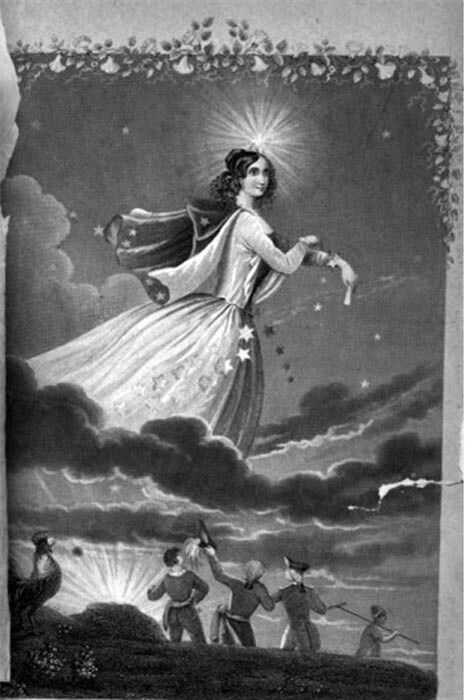
Beyond her cosmic responsibilities, she is also viewed as a protective figure. Travelers and warriors were believed to seek safety under the light of the evening star, especially during journeys after sunset. Twilight in Slavic belief carried both beauty and danger, making protective celestial figures especially important.
Her powers are not portrayed as destructive or aggressive. Instead, they reflect stability, order, and guardianship. Zorya Vechernyaya represents the reassuring certainty that the cycle of day and night will continue uninterrupted. In agricultural societies dependent on natural rhythms, this symbolism carried enormous importance.
Modern Day Influence
Zorya Vechernyaya has experienced a major revival in modern popular culture as global interest in Slavic mythology continues to grow. One of her most recognizable appearances comes from Neil Gaiman’s novel American Gods and its television adaptation, where the Zorya sisters are portrayed as ancient Slavic deities surviving in the modern world.
This portrayal introduced millions of viewers and readers to the mythology surrounding the Evening Star guardian. Although the adaptation takes creative liberties, it preserves the core idea of the sisters as celestial watchers protecting humanity from cosmic disaster.
Outside popular fiction, Zorya Vechernyaya has become important within modern Slavic pagan and neo-pagan movements. Many practitioners view her as a symbol of protection, feminine balance, and harmony with natural cycles. Artistic depictions of the Zorya sisters frequently appear in fantasy art, mythology-inspired illustrations, and modern spiritual symbolism.
Academic interest in Slavic folklore has also expanded significantly in recent decades. Researchers continue examining folk songs, rituals, and oral traditions to better understand how celestial figures like Zorya Vechernyaya shaped early Slavic worldviews.
Her growing popularity demonstrates how ancient celestial myths continue to resonate in the modern age. Even centuries later, the image of a divine guardian watching over the evening sky remains deeply compelling.
Related Images

Source
Alexandrian Library of Lightning Inspiration. (2024, November 24). Zorya. https://alexandria.lightninginspiration.com/concepts/zorya
American Gods Wiki – Fandom. (n.d.). Zorya Vechernyaya/Series. https://americangods.fandom.com/wiki/Zorya_Vechernyaya/Series
Meet the Slavs. (2022, December 6). Zorya: Slavic goddess of light. https://meettheslavs.com/zorya/
Slavic Mythology. (n.d.). Zorya, the celestial guardian of dawn and stars. https://slavic-mythology.com/gods/zorya/
Slavic Myth. (n.d.). Zorya: Slavic goddess of morning star. https://slavicmyth.com/zorya/
ScreenRant. (2017, May 13). American Gods: Zorya sisters / Czernobog explained. https://screenrant.com/american-gods-zorya-sisters-czernobog-explained/
TRIDENT MYTH. (n.d.). Zorya: Guardians of twilight in Slavic lore. https://tridentmyth.com/zorya-guardians-of-twilight-in-slavic-lore/
Frequently Asked Questions
Who is Zorya Vechernyaya?
Zorya Vechernyaya is the Slavic guardian of the evening star and the goddess associated with dusk, twilight, and cosmic balance.
What does Zorya Vechernyaya represent?
She represents the transition from day to night, celestial protection, and the maintenance of cosmic order.
Is Zorya Vechernyaya connected to Venus?
Yes. In Slavic tradition, she is strongly associated with the Evening Star, commonly identified as the planet Venus.
Who are the Zorya sisters?
The Zorya sisters are celestial guardians in Slavic folklore who oversee dawn, dusk, and sometimes midnight.
Was Zorya Vechernyaya featured in modern pop culture?
Yes. She appeared prominently in American Gods and American Gods, helping popularize Slavic mythology internationally.
