

Choti Katwa : The Mystery Behind India’s Braid-Cutting Panic
| Description | |
|---|---|
| Origin | India |
| Classification | Mass hysteria |
| Demeanour | Hostile |
| Habitat | Urban Areas |
| Status | Not Proven |
Mythlok Perspective
In Mythlok’s Perspective, Choti Katwa represents the evolution of ancient fear into modern urban folklore. Earlier societies blamed spirits, witches, or curses for unexplained events, while modern communities often transform uncertainty into viral panic through media and social networks. The legend reveals how collective anxiety can create a shared reality even without physical proof. What makes Choti Katwa especially fascinating is how quickly traditional superstition adapted to smartphones, television, and messaging apps. The story behaved almost like a living organism, changing shape as it traveled between villages and cities. Similar patterns can be seen globally. The Salem Witch Trials in colonial America and the Spring-Heeled Jack panic in Victorian England also emerged from fear, rumor, and social tension rather than verified supernatural activity. Choti Katwa stands as India’s digital-age version of these older mass panics, showing that even in a modern world, folklore still evolves alongside technology.
Choti Katwa
Introduction
The story of Choti Katwa became one of the most unsettling urban legends in modern India. The term “Choti Katwa,” which translates to “braid cutter,” refers to a wave of bizarre incidents in which women reported waking up to find their braids mysteriously cut off. The panic spread rapidly across northern India, especially in states like Rajasthan, Haryana, Delhi, and Uttar Pradesh. While isolated rumors existed earlier, the phenomenon reached national attention during the large-scale panic of 2017.
In many cases, women claimed they suddenly felt dizzy, unconscious, or strangely weak before discovering their severed hair nearby. Families began locking doors earlier at night, villages formed patrol groups, and rumors circulated through television broadcasts and WhatsApp messages at an alarming speed. The lack of a clear explanation only intensified public fear.
Unlike traditional folklore creatures with a defined appearance, Choti Katwa existed more as an invisible threat. For some people, it was linked to witches and supernatural entities from older Indian folklore. Others believed criminal groups or pranksters were responsible. Investigations by police and psychologists, however, pointed toward mass hysteria and social contagion rather than an organized attacker.
Physical Attributes
One of the most unusual aspects of the Choti Katwa legend is the absence of a clearly identifiable figure. Most victims never claimed to have seen an attacker directly. Instead, the threat was described as unseen, shadow-like, or supernatural in nature.
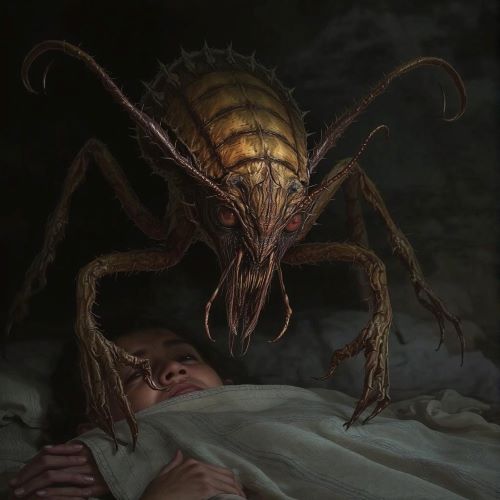
Some reports mentioned the appearance of a mysterious woman associated with witchcraft beliefs common in rural folklore. Others spoke of dark silhouettes or invisible forces entering homes at night. In a few areas, rumors described strange insects or tiny creatures capable of cutting hair while victims slept. These descriptions varied widely depending on local beliefs and cultural fears.
The only consistent element across the stories was the cut braid itself. Victims often discovered neatly severed hair beside them after experiencing headaches, dizziness, or brief unconsciousness. The clean cuts led many people to suspect scissors or sharp instruments, though no reliable forensic evidence ever connected the incidents to a single culprit.
Because no confirmed attacker was identified, the “physical appearance” of Choti Katwa evolved through storytelling rather than eyewitness proof. This fluid identity helped the legend spread across communities, as each region adapted the fear to its own traditions and superstitions.
First Sighting/Reporting
The earliest widely discussed reports connected to Choti Katwa appeared in northern India during the summer of 2017. Rajasthan, Haryana, and Delhi became major centers of the panic before the stories expanded into Uttar Pradesh, Punjab, Madhya Pradesh, and Jammu and Kashmir.
News coverage played a major role in accelerating the spread of the legend. Local newspapers and television channels repeatedly reported new braid-cutting cases, often without verified evidence. Social media platforms amplified these fears further, with viral voice messages and forwarded videos warning people about supernatural attackers.
Many incidents followed a similar pattern. Women claimed they suddenly lost consciousness or felt strange pressure around their heads before discovering their braids cut. Villagers often gathered outside affected homes, creating scenes of public panic that encouraged additional reports.
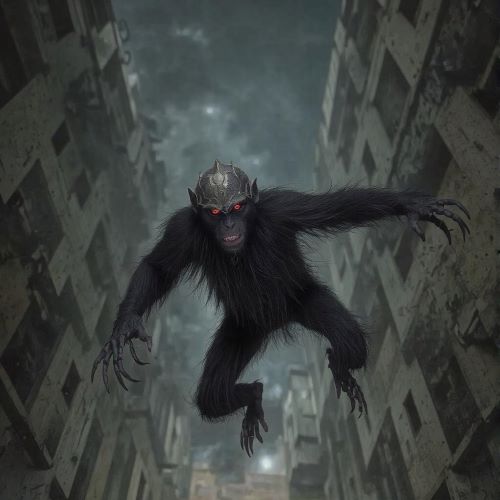
Police departments across multiple states investigated complaints but found little evidence of forced entry, assault, or organized criminal activity. Authorities repeatedly appealed to the public not to spread rumors. Despite these reassurances, fear continued to grow because the incidents appeared random and unexplained. The panic was frequently compared to earlier Indian urban legends such as the Monkey Man scare in Delhi during 2001, where rumors and fear spread faster than confirmed facts.
Other Names
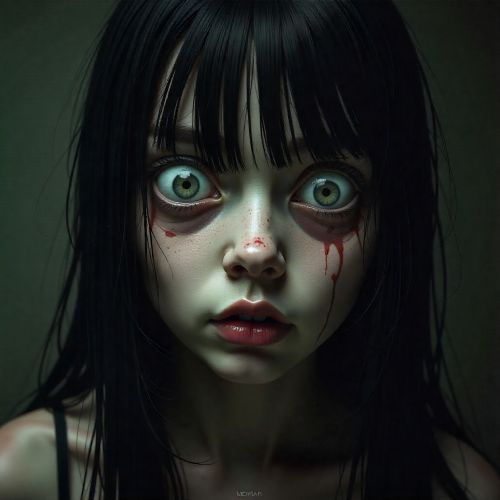
Although Choti Katwa remained the most common term, the phenomenon became known by several different names depending on the region and language. In Hindi-speaking areas, people often referred to it as “Choti Katne Wali Aurat,” meaning “the braid-cutting woman.” This version of the legend imagined a female supernatural figure targeting women inside their homes. Some communities used the phrase “Choti Chor,” which translates to “braid thief.”
English-language media generally used the simpler translation “Braid Cutter.” In certain villages, the incidents became associated with older dayan or witch folklore, causing residents to connect the panic with long-standing beliefs about black magic and supernatural attacks. The changing names reflected how flexible the legend became as it moved across different communities. Each region reshaped the story according to local fears, traditions, and cultural memories.
Modus Operandi
Most Choti Katwa incidents followed a surprisingly similar structure, which contributed to the growing panic. Victims often reported feeling sudden dizziness, headaches, or temporary unconsciousness before noticing their cut hair.
The alleged attacks usually occurred inside homes, especially during the evening or late-night hours. In many stories, the victim was alone or resting when the incident happened. Family members nearby frequently claimed they noticed nothing unusual until the braid was discovered.
One of the most puzzling aspects was that no robbery or physical violence accompanied the events. Hair appeared to be the only target. This detail pushed many people toward supernatural explanations because the incidents lacked the motives typically associated with ordinary crime.
Psychologists and sociologists later identified the phenomenon as a likely case of mass psychogenic illness, sometimes called mass hysteria. Under conditions of fear and anxiety, communities can unconsciously influence one another through suggestion and rumor. As stories spread through news reports and messaging apps, people became hyperaware of ordinary sensations and incidents, interpreting them through the lens of the growing panic.
Authorities also suggested that some cases may have involved self-inflicted hair cutting, pranks, or isolated acts of mischief. However, the emotional distress experienced by many victims was very real, even if no supernatural force existed behind the incidents.
Pop Culture References
Although Choti Katwa never became the subject of a major national film directly, the panic left a strong impression on Indian popular culture. News channels treated the incidents almost like a horror mystery, turning local fears into a nationwide spectacle.
The phenomenon is often discussed alongside other Indian urban legends such as Monkey Man and Muhnochwa. These stories share common themes involving invisible attackers, widespread panic, and public anxiety fueled by media coverage.
The horror-comedy film Stree is frequently compared to the atmosphere surrounding Choti Katwa because both involve communities living in fear of mysterious nighttime attacks. While the film itself draws more heavily from the “Nale Ba” legend of Karnataka, its themes of paranoia and rumor-driven fear strongly resemble the braid-cutting hysteria.
The legend has also inspired regional storytelling, YouTube documentaries, online discussions, and independent books exploring unexplained Indian mysteries. Even years later, Choti Katwa continues to appear in conversations about mass hysteria and digital-age folklore.
Current Status
Today, Choti Katwa is widely regarded by researchers, journalists, and law-enforcement officials as a case of mass panic rather than evidence of a supernatural entity. No verified attacker was ever identified, and no conclusive evidence linked the incidents together.
As public fear faded, reports of braid-cutting incidents sharply declined. Medical experts studying the phenomenon concluded that social pressure, fear, and repetitive media exposure likely influenced many cases. Police departments also worked to control rumors by warning people against spreading misinformation online.
Despite the lack of proof, the legend survives in Indian urban folklore. Stories about Choti Katwa still circulate on social media, especially whenever strange rumors or unexplained incidents begin trending online.
The phenomenon remains culturally significant because it demonstrates how rapidly fear can spread through interconnected communities. In many ways, Choti Katwa became less about cut hair and more about the psychological power of rumor in the digital age.



Source
Wikipedia. (2017). 2017 hair and braid chopping incidents in India. https://en.wikipedia.org/wiki/2017_hair_and_braid_chopping_incidents_in_India
Saluja, M. (n.d.). The Braid-Cutting Woman — A Real Mystery from India That Still Haunts People. Medium. https://medium.com/@salujamehak11/the-braid-cutting-woman-a-real-mystery-from-india-that-still-haunts-people-7d27948461e2
The Quint. (n.d.). Choti Cutting or Monkey Man, India Has a History of Mass Hysteria. https://www.thequint.com/news/india/braid-chopping-monkey-man-mass-hysteria
News18. (n.d.). Lynched By A Lie: Why ‘Drone Chor’ Is The Latest In UP’s Long Violent History of Mass Panic. https://www.news18.com/india/lynched-by-a-lie-why-drone-chor-is-the-latest-in-ups-long-violent-history-of-mass-panic-ws-ekl-9619792.html
Wikipedia. (n.d.). Monkey-man of Delhi. https://en.wikipedia.org/wiki/Monkey-man_of_Delhi
Global Fact Checking. (n.d.). Case Study: “The Monkey Man of Delhi”. https://globalfactchecking.com/case-study-the-monkey-man-of-delhi/
SBS Hindi. (n.d.). “Chotee Katvaa Kand”- Mysterious Braid Chopper. https://www.sbs.com.au/language/hindi/en/podcast-episode/chotee-katvaa-kand-mysterious-braid-chopper/4g4165j2k
BBC News. (2017). The mysterious ‘braid choppers’ terrorising Kashmir. https://www.bbc.com/news/world-asia-india-41773176
Frequently Asked Questions
What is Choti Katwa?
Choti Katwa was a mass panic in India where women reported their braids mysteriously cut while unconscious or asleep.
Was Choti Katwa ever proven real?
No verified attacker or supernatural evidence was ever found during investigations.
When did the Choti Katwa panic happen?
The largest wave of incidents occurred across northern India during 2017.
Why did people believe in Choti Katwa?
Fear, rumors, social media, and local superstition helped spread the belief rapidly.
Is Choti Katwa connected to Indian folklore?
Yes. Many people linked the incidents to older beliefs involving witches, curses, and supernatural attacks.