

Monkey Man : The Shadowy Attacker of New Delhi
| Description | |
|---|---|
| Origin | India |
| Classification | Cryptid |
| Demeanour | Evil |
| Habitat | City |
| Status | Not Proved |
Mythlok Perspective
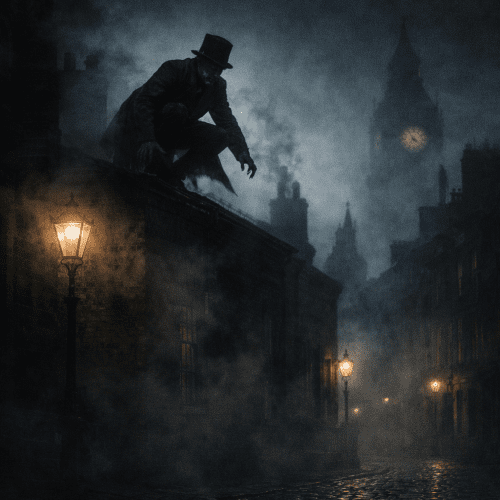
n Mythlok’s perspective, the Monkey Man legend reveals how fear can evolve into a living entity within urban consciousness. Reported in Delhi in 2001, the creature became a symbol of collective anxiety in a rapidly growing metropolis. Sightings, injuries, and rumors spread faster than verification. Across cultures, Monkey Man mirrors figures like Spring-Heeled Jack in Victorian England and the Muhnochwa panic of North India. Each emerged during periods of social stress, blending media amplification with public imagination. The Monkey Man was less a creature of flesh and more a manifestation of fear itself.
Monkey Man
Introduction
The Monkey Man of Delhi, an eerie urban legend, first gained attention in May 2001. This mysterious creature was said to wander the streets of New Delhi, creating a wave of fear among residents. Descriptions of the creature varied, but many claimed it resembled a monkey and was responsible for several attacks on people during the night, resulting in injuries and even fatalities. The reports ignited widespread panic, quickly turning the legend into a sensational story that captivated the public and sparked media frenzy. To this day, the Monkey Man remains one of the most fascinating urban myths in India.
Physical Attributes
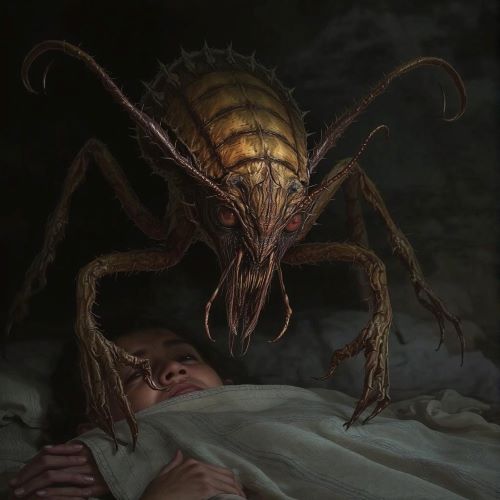
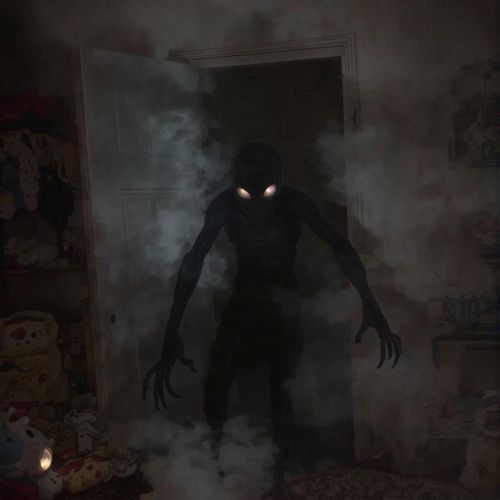
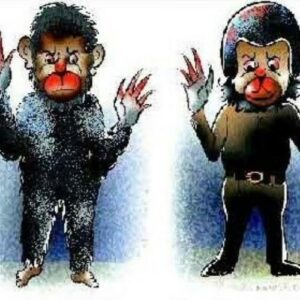
Eyewitness accounts of the Monkey Man vary widely, creating a confusing picture of the creature. Commonly, it is described as being between four and eight feet tall, with thick black fur and a monkey-like face. Some reports mention glowing red eyes and metallic claws, while others describe a striking metal helmet. In one of the more bizarre details, a few witnesses even claimed to have seen the creature wearing roller skates and with three buttons on its chest. Despite the chilling stories and the creature’s growing legend, no solid evidence has ever emerged to confirm its existence, leaving it firmly in the realm of urban myth.
First Sighting/Reporting
The first reports of the Monkey Man emerged in May 2001, sparking widespread fear throughout New Delhi. Descriptions of attacks were often similar: victims claimed to be mauled by a creature with uncanny agility during the night. Panic quickly escalated, with over 350 reported sightings and approximately 60 injuries. In the chaos, at least two deaths occurred as people rushed to flee the perceived threat. The attacks, which mainly took place between midnight and early morning, left many residents terrified, especially those sleeping on rooftops in the crowded city. The police responded by distributing artist sketches of the creature in an attempt to calm the public and catch the elusive figure, but the sightings continued, further intensifying the panic.
Other Names
The Monkey Man legend is known by several names, each reflecting different interpretations of the creature. One common name, “Face Scratcher,” comes from reports of victims being scratched by the creature. Another name, “Black Monkey,” highlights its alleged appearance. In Hindi, it is often referred to as “Kala Bandar,” which directly translates to “Black Monkey.” These various names reveal how deeply the legend has woven itself into the local culture, resonating differently within different communities and adding layers to its mystery.
Modus Operandi
The Monkey Man’s attacks were typically sudden and occurred at night, which only added to the fear and mystery surrounding the creature. Victims often described feeling paralyzed by fear as the creature seemingly leaped from building to building with incredible agility. Reports of deep scratches from its alleged metal claws heightened the terror. The unpredictability of these attacks led to widespread panic, with some residents even taking matters into their own hands and patrolling the streets for protection. Despite multiple investigations, the police found no concrete evidence to confirm the creature’s existence, and medical examinations failed to show signs of an animal attack. Authorities suggested that the injuries might have been caused by other sources, with some speculating that the hysteria surrounding the creature was fueled by collective fear rather than an actual monster.
Pop Culture References
The Monkey Man legend has left a lasting mark on popular culture, appearing in various forms across media. In the 2009 Bollywood film Delhi-6, the creature was used as a symbolic representation of the darker aspects of human nature. The Hindi television series Mrs. Kaushik Ki Paanch Bahuein (2012) also incorporated the mystery of the “Kala Bandar” (Black Monkey) into its storyline. Music has not been left out either, with the American cello rock band Rasputina referencing the legend in their song “Mysterious Man-Monkey” from the 2011 album Great American Gingerbread: Rasputina Rarities & Neglected Items. Additionally, the 2011 graphic novel Munkeeman, created by Abhishek Sharma, portrays the Monkey Man as a misunderstood hero born from a failed scientific experiment. These creative adaptations showcase the enduring influence of the Monkey Man on Indian and global pop culture.
Current Status
The Monkey Man legend has largely faded from everyday conversation, transforming into more of a modern myth than a genuine threat. Once a source of widespread fear, it is now often viewed through the lens of mass hysteria, reflecting the public anxiety that gripped New Delhi during the time of its supposed sightings. Although reports of new sightings have not emerged, the Monkey Man continues to be an enduring figure in local folklore, symbolizing collective fear and the power of urban legends.
Today, the phenomenon is analyzed by sociologists and psychologists as a case study in how fear can fuel the creation and spread of myths. While no concrete evidence has ever surfaced to confirm the creature’s existence, the story remains alive in cultural discussions, serving as a reminder of how deeply myths can resonate within a community. The Monkey Man’s legacy endures as a symbol of societal anxiety, illustrating how folklore can reflect larger cultural fears and psychological impacts.




Source
BBC News. (2001, May 18). Mystery “monkey man” terrorizes Delhi. http://news.bbc.co.uk/2/hi/south_asia/1333160.stm
Brunvand, J. H. (2001). Encyclopedia of urban legends. W. W. Norton & Company.
CNN. (2001, May 17). Monkey-man panic grips Indian capital. http://edition.cnn.com/2001/WORLD/asiapcf/south/05/17/india.monkeyman/
Nickell, J. (2001). Monkey-man mania. Skeptical Inquirer, 25(5), 16–18.
Pandey, G. (2001, May 15). Delhi’s monkey-man mystery. BBC News. http://news.bbc.co.uk/2/hi/south_asia/1329305.stm
Wikipedia contributors. (n.d.). Monkey-man of Delhi. In Wikipedia. Retrieved February 23, 2025, from https://en.wikipedia.org/wiki/Monkey-man_of_Delhi
Frequently Asked Questions
What was the Monkey Man of Delhi?
The Monkey Man was a mysterious figure reportedly seen in Delhi in May 2001. Witnesses described a monkey-like humanoid creature attacking people at night. Reports claimed it had metallic claws, glowing eyes, and the ability to leap across rooftops.
Was the Monkey Man real?
Authorities found no concrete evidence of a supernatural or biological creature. Many injuries were attributed to panic, falls, or misidentification. The incident is widely considered a case of mass hysteria amplified by rumor and media coverage.
Why did the Monkey Man panic spread so quickly?
The panic spread due to word of mouth, sensational news reporting, and fear in densely populated neighborhoods. Limited reliable information allowed speculation to flourish, intensifying public anxiety.
Did anyone die because of the Monkey Man?
While no verified deaths were directly caused by a creature, several people reportedly died due to panic-related incidents, such as falling from rooftops while trying to escape.
How does the Monkey Man compare to other urban legends?
The Monkey Man resembles Spring-Heeled Jack in England and similar “phantom attacker” legends worldwide. These figures often appear suddenly, cause brief panic, and disappear once fear subsides.