


Útburður : Iceland’s Abandoned Child Spirit
Listen
At a glance
| Description | |
|---|---|
| Origin | Icelandic Mythology |
| Classification | Ghosts |
| Family Members | N/A |
| Region | Iceland |
| Associated With | Abandonment, Guilt, Burial rites, Infanticide, Moral consequence |
The Mythlok Perspective
From the Mythlok perspective, the Útburður represents the moment where social failure transforms into spiritual unrest. It is not a monster born of chaos but a consequence of rigid morality and silence. The spirit forces communities to confront what they chose to hide. Across cultures, the Útburður finds parallels in figures like the Japanese ubume and the Slavic nav, spirits born from maternal loss and denied rites. These shared archetypes reveal a universal truth: when societies deny compassion, folklore ensures the forgotten always return.
Útburður
Introduction
The Útburður is one of the most disturbing figures in Icelandic folklore, representing the restless spirit of an abandoned or murdered infant. Rooted in medieval and early modern Icelandic society, the Útburður emerges from a world shaped by poverty, religious rigidity, and intense social shame. These spirits were believed to be created when newborn children were secretly killed or exposed, most often by mothers who saw no other escape from stigma, hunger, or communal punishment. Unlike many supernatural beings, the Útburður is not born of malice but of human desperation, making it both a figure of horror and a deeply tragic symbol.
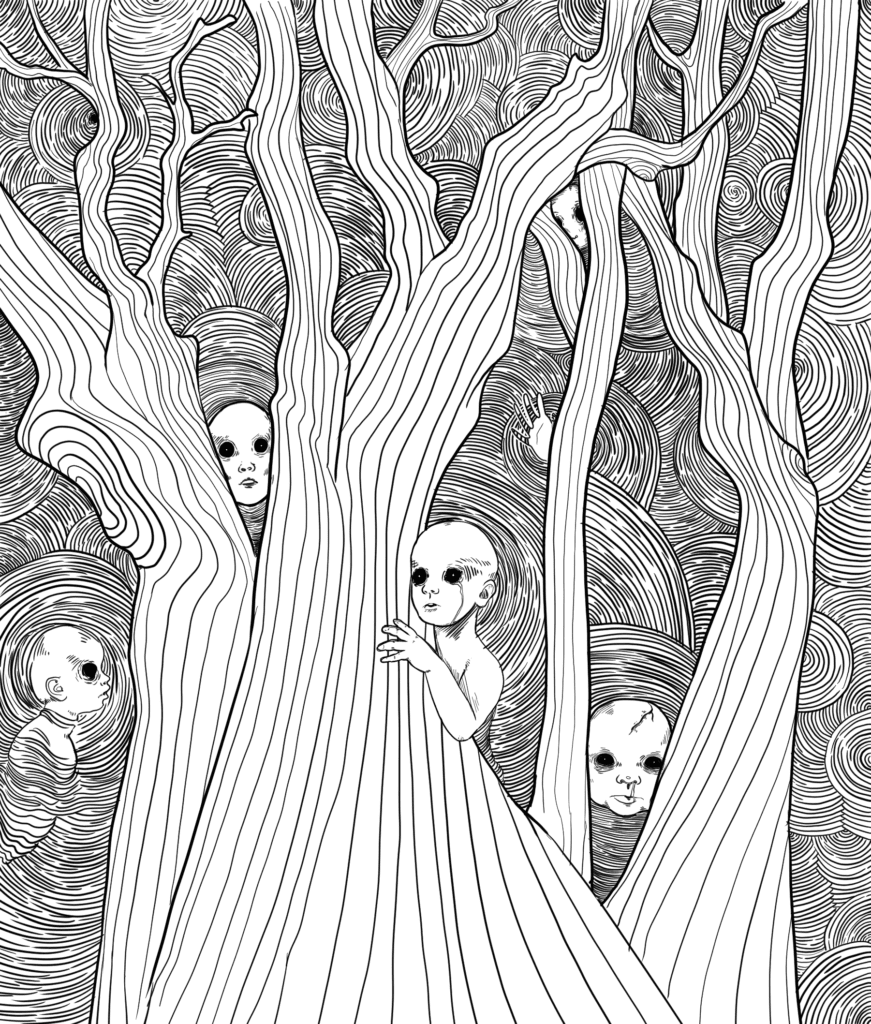
In traditional belief, the Útburður wanders isolated landscapes such as moors, forests, riverbanks, and mountain paths, crying out to reveal both its presence and the hidden crime that created it. The spirit cannot find rest until it receives a proper Christian burial in consecrated ground, reflecting Iceland’s historical belief that baptism and burial rites were essential for salvation. As such, the Útburður functions as a moral warning embedded in folklore, reminding communities of the consequences of neglect, secrecy, and societal cruelty.
Physical Traits
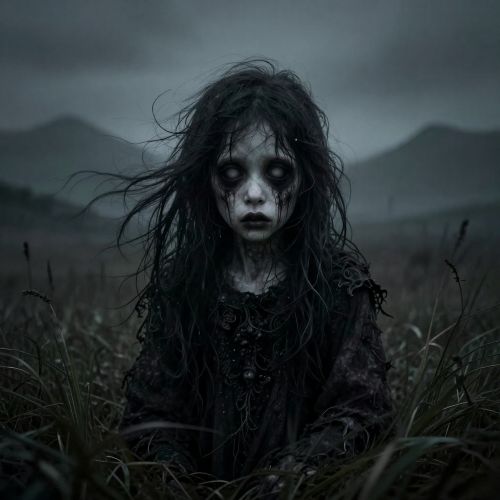
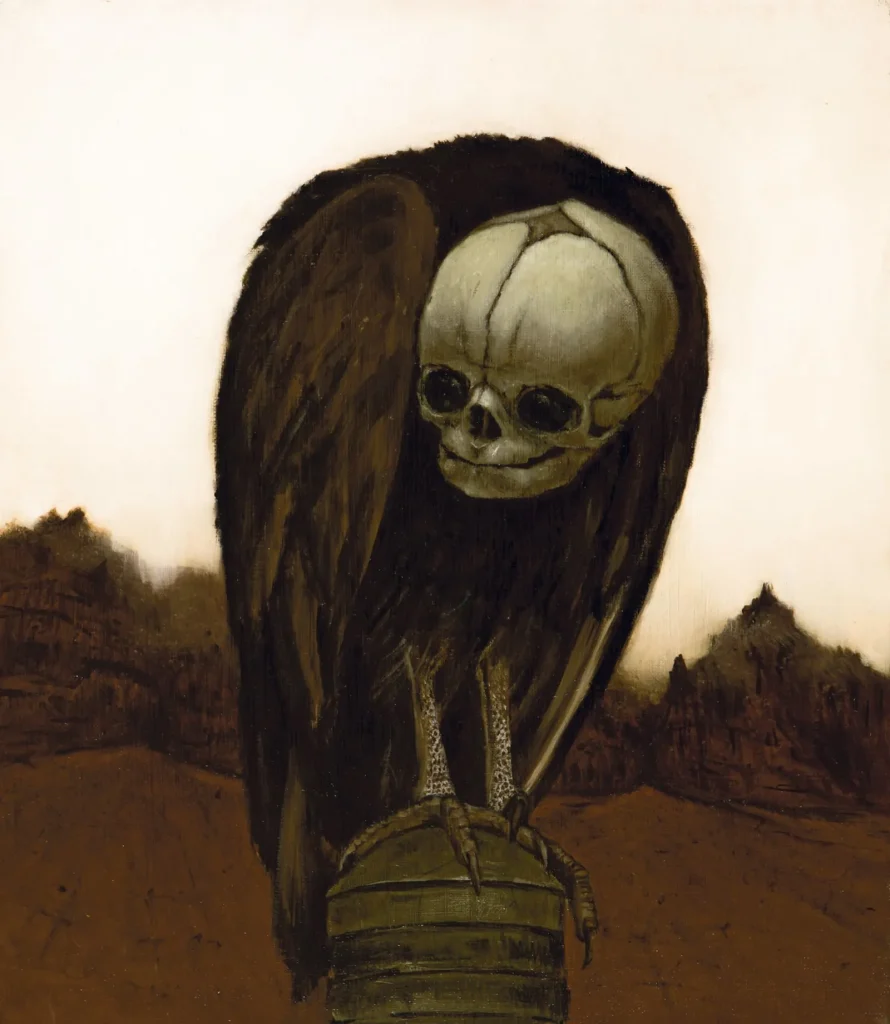
The appearance of the Útburður varies across regions and recorded accounts, but it is almost always described in ways that evoke discomfort and pity. Most commonly, it manifests as a small, pale child with a frail or emaciated body, reflecting its brief and violent life. Some traditions describe visible marks of death, such as bruising, a swollen neck, or a faint red line suggesting strangulation, reinforcing the unnatural circumstances of its demise.
The Útburður is often first encountered through sound rather than sight. Its cries resemble those of a newborn infant echoing through the night, an unsettling sound meant to lure travelers closer. When approached, the spirit may appear suddenly and leap onto a person’s back. As the carrier moves toward consecrated ground, the Útburður grows heavier, sometimes becoming impossibly burdensome. This escalating weight is not merely physical but symbolic, representing guilt, sin, and the moral weight carried by both the perpetrator and society itself.
Family
The concept of family in Útburður folklore is defined by absence and betrayal. The spirit is almost always linked to a mother who abandoned or killed her child, driven by fear of shame, poverty, or social exile. In historical Iceland, unwed motherhood carried severe consequences, and women often bore the full burden of dishonour with little communal support. These realities are reflected starkly in the mythology.
Fathers are notably absent from most Útburður narratives, highlighting the gendered nature of responsibility and punishment in pre-modern society. While the act of abandonment may have been influenced by broader familial or economic pressures, folklore places the moral and supernatural consequences almost entirely on the mother. The wider community is also implicated indirectly, as rigid moral codes and lack of compassion are portrayed as contributing factors in the creation of the spirit.
Other names
The Útburður belongs to a wider family of child-ghost figures found throughout Scandinavia and the Nordic world. In Sweden, the spirit is known as the myling, a term derived from words associated with murder or secret killing. Norwegian traditions refer to a similar being as the utburd, while Finnish folklore includes related entities such as the ihtiriekko or liekkiö. Despite regional differences, these figures share core characteristics, including abandonment, nocturnal cries, and a demand for burial rites.
The Icelandic term Útburður translates roughly to “one who was carried out,” referring to the act of exposing an unwanted child. This linguistic emphasis reinforces the cultural memory of concealment and social rejection embedded within the myth.
Powers and Abilities
The Útburður is portrayed as a powerless victim transformed into a supernatural force through injustice. One of its most defining abilities is its demand for burial. The spirit attaches itself to travelers and compels them to carry it to a churchyard, growing heavier with each step. Failure to complete this task often results in illness, madness, or death, reinforcing the seriousness of the moral obligation.
The Útburður can manipulate sound, using cries or soft singing to draw people into remote locations. These sounds are said to reveal hidden graves, exposing crimes meant to remain secret. In some accounts, the spirit can curse individuals who refuse help or mock its suffering. Despite its fearsome abilities, the Útburður is not inherently evil. Once properly buried and named, it is released from its torment, underscoring its role as a soul seeking justice rather than vengeance.
Modern Day Influence
In modern times, the Útburður continues to influence literature, horror media, and folklore studies across Iceland and Scandinavia. Scholars often interpret the figure as a reflection of historical trauma, particularly surrounding infanticide, gender inequality, and religious control. The spirit has also become a metaphor for unresolved guilt and suppressed social truths.
The Útburður appears in contemporary novels, films, video games, and folklore-inspired tourism, where it is often portrayed with greater psychological depth than earlier depictions. Rather than focusing solely on fear, modern interpretations highlight themes of grief, abandonment, and moral responsibility. Through these retellings, the Útburður remains a powerful reminder that folklore preserves not only supernatural beliefs but also the emotional realities of past societies.
Related Images

Source
Árni Sigurðsson. (2021). Museum of hidden beings: A guide to Icelandic creatures and beings (2nd ed.). Salka.
Erickson, T. A. (2024). Scenes of pregnancy, childbirth and infancy in medieval Icelandic literature and later folklore [Master’s thesis, University of Iceland]. Skemman. https://skemman.is/bitstream/1946/46573/1/Erickson%20MA.pdf
Guide to Iceland. (2025). Folklore in Iceland: The complete guide. https://guidetoiceland.is/history-culture/folklore-in-iceland
Iceland Review. (2024). Icelandic folklore | Myths & creatures. https://www.icelandreview.com/travel/icelandic-folklore-myths-creatures/
Jón Árnason. (1971). Íslenzkar þjóðsögur og avintýri [Icelandic folk tales and fairytales] (Ólafur Davíðsson, Trans.). Þjóðsaga.
Jónsdóttir, D. Ó. (2022). “It was ill done, my mother, to deny me life”: Útburður legends and infanticide in Icelandic folklore. Scandinavian Studies, 94(2), 145-167. JSTOR. https://www.jstor.org/stable/27230766
Útburður. (n.d.). In Cryptid Wiki. Retrieved January 15, 2026, from https://cryptidz.fandom.com/wiki/%C3%9Atbur%C3%B0ur
Frequently Asked Questions
What is an Útburður in Icelandic folklore?
An Útburður is the restless spirit of an abandoned or murdered infant, believed to wander until given a proper Christian burial.
Why does the Útburður grow heavier when carried?
The increasing weight symbolizes moral guilt and the burden of sin associated with the child’s death and concealment.
Is the Útburður evil or malicious?
The Útburður is not inherently evil. It is a victim seeking recognition, justice, and burial rather than revenge.
How can an Útburður be laid to rest?
Traditional belief holds that naming the child and burying it in consecrated ground allows the spirit to find peace.
Are Útburður legends unique to Iceland?
No, similar child spirits exist across Scandinavia, such as the Swedish myling and Norwegian utburd, sharing the same core themes.
