


Candy Lady : The Chilling Urban Legend of Clara Crane
| Description | |
|---|---|
| Origin | United States of America |
| Classification | Humanoid |
| Demeanour | Malevolent |
| Habitat | Small Towns, Urban Areas |
| Status | Not Proven |
Mythlok Perspective
In Mythlok’s Perspective, the Candy Lady represents a distinctly modern version of an ancient archetype: the child-luring figure who exists to enforce social boundaries and parental warnings. Her story transforms ordinary objects such as candy into symbols of temptation and danger, reflecting societal anxieties about trust and vulnerability. The Candy Lady shares striking similarities with figures from other cultures. Like Baba Yaga, she inhabits the space between tragedy and terror, while her role as a child-stealing warning figure resembles aspects of La Llorona. Unlike ancient supernatural beings, however, the Candy Lady emerges from a more modern fear: the stranger who appears ordinary but hides sinister intentions. This blend of real-world anxiety and supernatural storytelling explains why the legend continues to resonate in the digital age.
Candy Land
Introduction
The legend of the Candy Lady is one of the most unsettling pieces of American folklore. Originating in the town of Terrell, Texas, the story revolves around a woman named Clara Crane, whose life was allegedly shattered by personal tragedy before she became the subject of one of the state’s most enduring urban legends. Over time, the tale transformed from a local ghost story into a widely shared cautionary legend about strangers, trust, and childhood fears.
According to popular accounts, Clara Crane lived in the late nineteenth century with her husband Leonard and their daughter Marcella. Following a tragic accident that resulted in Marcella’s death, Clara reportedly blamed her husband and later poisoned him with homemade caramels. She was subsequently confined to the North Texas Lunatic Asylum. When she later disappeared from public records, strange stories began to circulate throughout Terrell. Children reportedly found candy left on windowsills accompanied by mysterious notes signed by the “Candy Lady.
As the years passed, the story grew darker. Tales emerged of missing children, eerie candy wrappers, and unexplained disappearances. Whether viewed as a ghost story, an urban legend, or a morality tale, the Candy Lady remains one of Texas’s most recognizable folklore figures and continues to fascinate horror enthusiasts today.
Physical Attributes
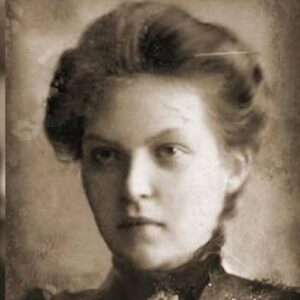
Because the Candy Lady exists primarily within folklore, descriptions of her appearance vary considerably depending on the source. Most versions portray Clara Crane as an elderly woman whose appearance reflected years of grief, isolation, and mental suffering.
She is commonly described wearing dark Victorian-style clothing, often accompanied by a veil or shawl that partially obscures her face. Witnesses in folklore accounts describe her as thin and frail, with a pale complexion and intense eyes that convey both sorrow and menace. These features reinforce her role as a tragic yet frightening figure.
Modern horror adaptations frequently exaggerate her appearance. Some portray her with decayed teeth, sunken facial features, and an almost ghost-like presence. Others depict her carrying baskets filled with homemade sweets or wrapped caramels, emphasizing the candy motif central to the legend. In digital retellings, she often appears as a spectral woman wandering quiet streets or standing near abandoned buildings, waiting for unsuspecting children. While no verified photographs exist linking these descriptions to a historical Clara Crane, the imagery has become deeply associated with the Candy Lady myth and contributes significantly to its enduring popularity.
First Sighting/Reporting
The earliest events connected to the Candy Lady legend are usually placed between the late 1890s and early 1900s. According to the traditional narrative, Clara Crane disappeared shortly after leaving the North Texas Lunatic Asylum.
Soon afterward, residents of Terrell allegedly began finding pieces of candy on windowsills and porches. Accompanying these sweets were handwritten notes inviting children to “come and play.” The mysterious gifts initially seemed harmless, but concern grew when several local children reportedly vanished without explanation.
As fear spread through the community, rumors intensified. Parents warned their children not to accept candy from strangers, and stories emerged linking every unexplained disappearance to the mysterious woman known as the Candy Lady. Some versions of the legend claim that investigators found candy wrappers containing human teeth, while others suggest local law enforcement encountered evidence too disturbing to publicly disclose.
Despite the widespread circulation of these stories, historians have found little documentary evidence supporting the alleged disappearances. This lack of verification has led many researchers to classify the Candy Lady as a folk legend rather than a documented criminal case.
Other Names
Although Clara Crane is the name most commonly associated with the story, the figure has acquired several alternative titles throughout the years. The most famous is simply “The Candy Lady,” a nickname derived from her alleged practice of leaving sweets for children. This title has become so dominant that many people familiar with the legend do not know Clara Crane’s supposed real name.
Some regional retellings refer to her as “The Candy Woman” or “The Texas Candy Lady.” Internet forums, horror blogs, and social media discussions occasionally use variations such as “CandyLady” or “Clare Crane,” although these are generally modern adaptations.
In certain interpretations, she is portrayed as a witch-like figure or a ghostly child-stealer, connecting her to older folklore archetypes found throughout Europe and North America. These alternative portrayals demonstrate how urban legends evolve over time, absorbing characteristics from other supernatural traditions.
Modus Operandi
The Candy Lady’s alleged methods form the most disturbing aspect of the legend and are responsible for much of its lasting impact. According to the story, Clara first used candy as a tool of revenge when she poisoned her husband Leonard with arsenic-laced caramels. Following her institutionalization and eventual disappearance, she supposedly adopted candy as a means of targeting children.
The legend claims she would leave sweets in places where children could easily find them. Windowsills, front porches, school desks, and bedroom pillows are commonly mentioned locations. Alongside the candy were notes signed by the Candy Lady, encouraging children to meet her.
As the story evolved, increasingly gruesome details appeared. Some versions claim that candy wrappers contained human teeth as a warning to parents. Others suggest that children who followed the Candy Lady vanished forever, becoming victims of her desire to replace her deceased daughter.
Another dramatic variation involves Sheriff Dixon, a lawman supposedly investigating the disappearances. According to folklore, he was later discovered dead under mysterious circumstances, further reinforcing the belief that the Candy Lady possessed supernatural power or extraordinary cunning. These elements have transformed the Candy Lady from a local ghost story into a classic cautionary tale designed to teach children the dangers of trusting strangers.
Pop Culture References
The Candy Lady has become a significant figure within modern horror culture and urban legend communities. Her story frequently appears in collections of American folklore alongside famous legends such as Bloody Mary and La Llorona. The recurring themes of child endangerment, grief, and supernatural vengeance have made her particularly popular among storytellers.
Numerous podcasts dedicated to paranormal subjects and urban legends have featured episodes exploring the Candy Lady myth. Horror-themed YouTube channels regularly produce documentaries and animated retellings that introduce the story to new audiences.
Social media platforms such as TikTok, Instagram, and Reddit have also contributed to the legend’s continued popularity. Users often share short versions of the tale, speculate about its historical origins, or create artwork inspired by the character.
Independent films, horror anthologies, and online fiction have further expanded the myth. These adaptations often emphasize the psychological tragedy behind Clara Crane’s story while maintaining the frightening imagery that defines the legend.
Current Status
Today, the Candy Lady remains one of Texas’s most famous urban legends. Although researchers continue to investigate the origins of the story, no definitive evidence has emerged proving that Clara Crane committed the crimes attributed to her. The absence of reliable historical documentation has led many folklorists to conclude that the Candy Lady is primarily a piece of regional folklore. Nevertheless, the legend continues to thrive because it addresses universal fears involving childhood safety, grief, and the unknown.
In Terrell and surrounding areas, the story is frequently retold during Halloween and local folklore discussions. Online communities devoted to paranormal topics continue to debate whether any elements of the tale are rooted in actual events. More than a century after the story supposedly began, Clara Crane’s ultimate fate remains unknown. That uncertainty has allowed the legend to endure, ensuring that the Candy Lady remains a memorable and chilling figure within American folklore.



Source
Urban Legends Wiki. (2024, October 28). Candy Lady. Urban Legends Fandom. https://urbanlegend.fandom.com/wiki/Candy_Lady
Only In Your State. (2024, December 3). The Candy Lady is One of the Creepiest Urban Legends in Texas. Only In Your State. https://www.onlyinyourstate.com/state-pride/texas/candy-lady-urban-legend-tx
IMDb. (2024). The Legend of Clara Crane. IMDb. https://www.imdb.com/title/tt16301498/
Haunt Jaunts. (2023, April 26). The Candy Lady. Haunt Jaunts. https://www.hauntjaunts.net/the-candy-lady/
Cody, K. (2025, August 4). The Candy Lady: The Chilling Texas Urban Legend of Clara Crane. Retrieved from https://www.texasfolklorearchive.com/candy-lady-clara-crane
Terrell Tribune. (1895). Local reports on Clara Crane and the Candy Lady legend. Retrieved from https://www.terrelltribune.com/clara-crane-legend
Legends of America. (2020). Texas Urban Legends: Clara Crane. Retrieved from https://www.legendsofamerica.com/clara-crane
True Crime Folklore. (2019). Clara Crane and the Candy Lady Myth. Retrieved from https://www.truecrimefolklore.com/clara-crane
Frequently Asked Questions
Who was the Candy Lady?
The Candy Lady is a Texas urban legend associated with Clara Crane, a woman said to lure children using candy and mysterious notes.
Is the Candy Lady based on a real person?
The legend may have been inspired by a historical woman named Clara Crane, but the frightening stories surrounding her remain unverified.
Where did the Candy Lady legend originate?
The legend originated in Terrell, Texas, during the early twentieth century and became a well-known piece of regional folklore.
Why is the Candy Lady famous?
She is famous for allegedly leaving candy to lure children and for being one of Texas’s most enduring urban legends.
Is there evidence that the Candy Lady existed?
No confirmed evidence supports the supernatural or criminal claims associated with the Candy Lady, and most researchers classify the story as folklore.
