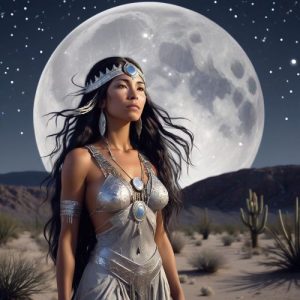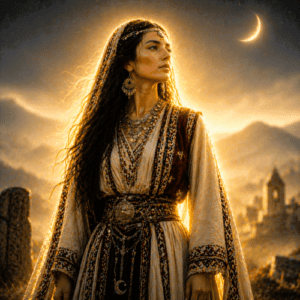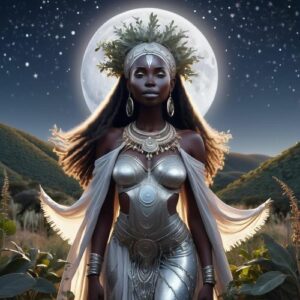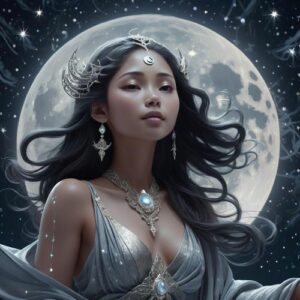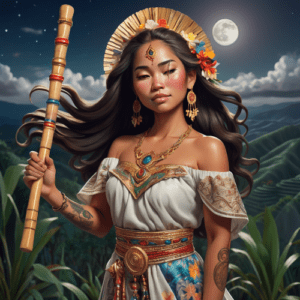


Gods of the Moon in Ancient Civilizations and Sacred Traditions
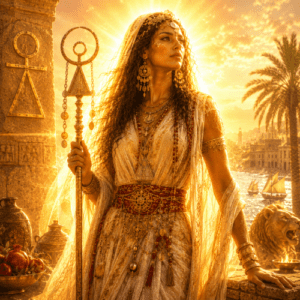
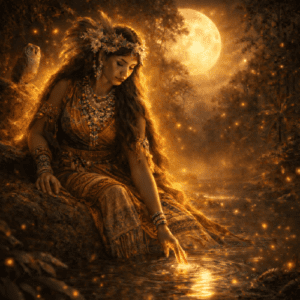
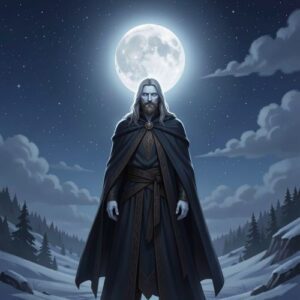
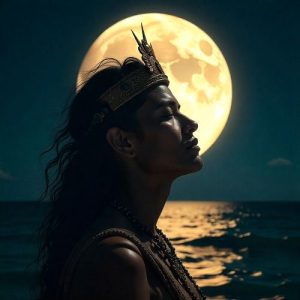
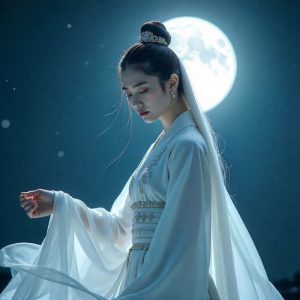
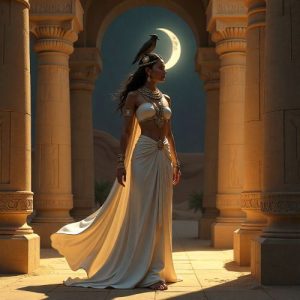
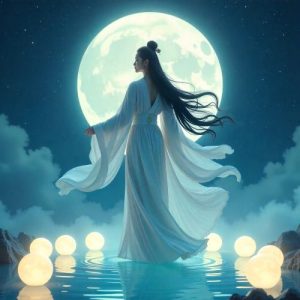
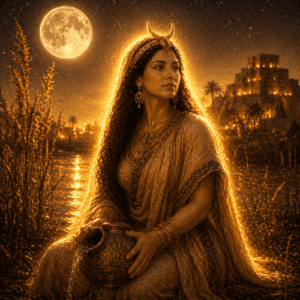
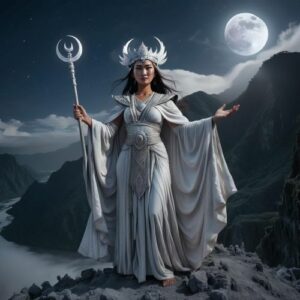
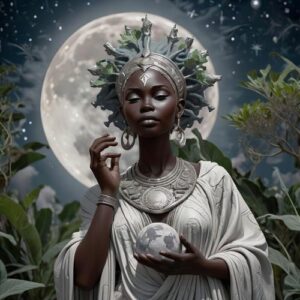
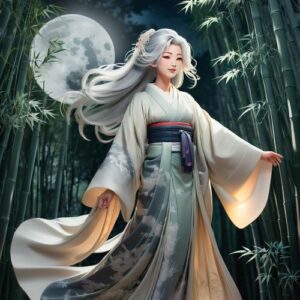
The moon has fascinated humanity since the earliest civilizations. Its shifting phases marked time, guided travelers, influenced tides, and inspired ritual calendars. Across cultures, the Gods of the Moon became powerful symbols of mystery, transformation, fertility, and cosmic rhythm. Unlike solar deities who often represent constancy and authority, lunar gods reflect change, intuition, and hidden forces.
In Greek tradition, Selene personifies the moon as a radiant goddess who rides her chariot across the night sky. Closely associated is Artemis, whose lunar connections emphasize protection, wilderness, and feminine independence. Together, they show how the moon became linked to cycles of nature and womanhood.
Roman belief mirrors this through Luna, a divine embodiment of the celestial orb itself. In Mesopotamian tradition, however, the moon is male. Sin (also called Nanna) governed wisdom and time, with lunar cycles forming the basis of early calendars. Here, the moon becomes a cosmic clock regulating civilization.
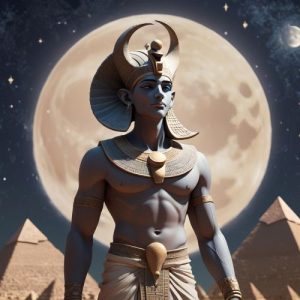
In Egyptian mythology, Khonsu represents healing and renewal, traveling across the sky each night. His cyclical journey symbolized restoration and protection. Meanwhile, in Japanese tradition, Tsukuyomi embodies order and celestial authority, showing how lunar power can represent discipline as well as mystery.
In Mesoamerican cultures, moon deities often connect to fertility and rebirth. The Aztec goddess Coyolxauhqui reflects the moon’s association with cosmic struggle and renewal. Across traditions, lunar deities frequently govern tides, agriculture, prophecy, and magic.
What unites the Gods of the Moon is their relationship with cycles. The waxing and waning phases symbolize transformation, death and rebirth, and the passage of time. The moon governs what is hidden, what grows quietly, and what returns after darkness.
Exploring the Gods of the Moon reveals how ancient civilizations understood the night sky not as emptiness, but as a living presence. The moon was guide, guardian, healer, and timekeeper. Whether goddess or god, fierce or gentle, lunar deities remind us that power does not always blaze like the sun. Sometimes it glows softly, shaping the world through rhythm and return.