

Zorya Polunochnaya : The Midnight Star of Slavic Legends
At a glance
| Description | |
|---|---|
| Origin | Slavic Mythology |
| Classification | Gods |
| Family Members | Dazbog (Father), Zorya Utrennyaya, Zorya Vechernyaya (Sisters) |
| Region | Russia, Ukraine, Belarus, Poland |
| Associated With | Night, Stars, Prophecy, Protection |
The Mythlok Perspective
In Mythlok’s Perspective, Zorya Polunochnaya represents one of the most poetic concepts in Slavic legend: the idea that the universe survives because someone remains awake in the darkness. Unlike gods of war or thunder who dominate mythology through force, the Midnight Star embodies silent endurance and cosmic responsibility. Her mythology transforms midnight from a time of fear into a sacred hour of protection and reflection. She also reflects a universal archetype found across cultures. Much like Nyx from Greek tradition or Nótt from Norse legend, Zorya Polunochnaya symbolizes the mysterious intelligence hidden within darkness. These figures remind humanity that night is not merely emptiness, but a living force connected to destiny, transformation, and cosmic balance.
Zorya Polunochnaya
Introduction
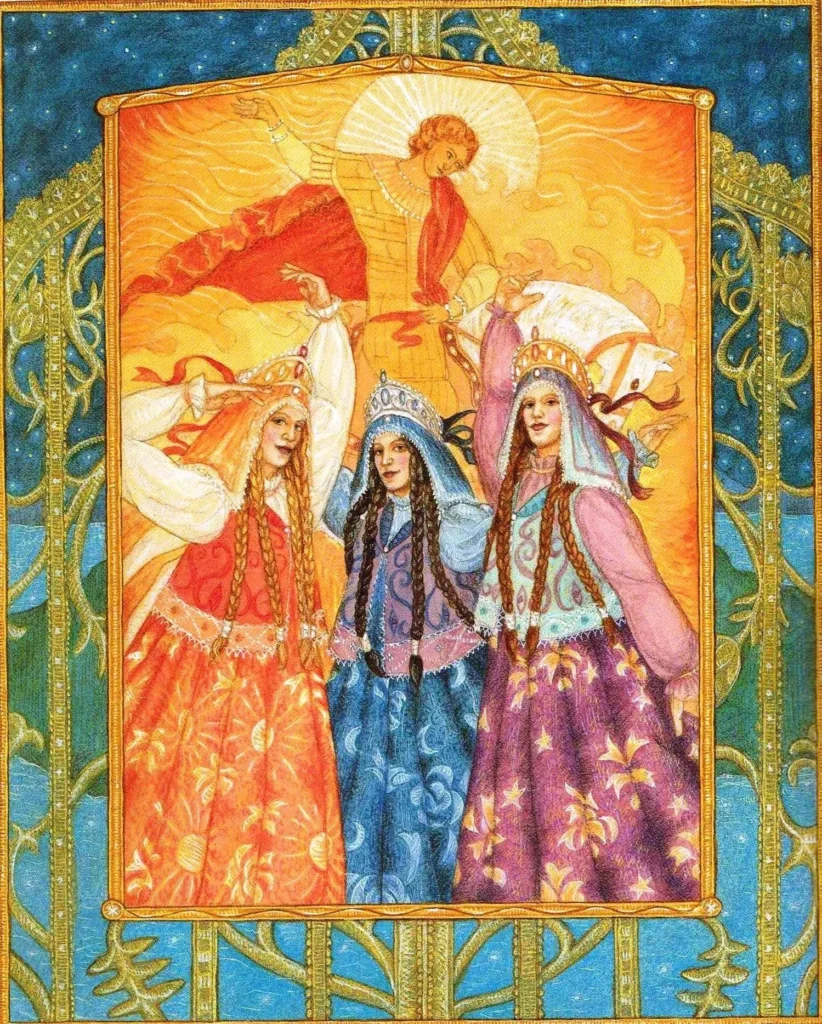
In the vast world of Slavic folklore, few celestial beings are as mysterious as Zorya Polunochnaya, the Midnight Star. She is most commonly described as the third and youngest of the Zorya sisters, divine guardians connected to the changing phases of the sky. While Zorya Utrennyaya rules the dawn and Zorya Vechernyaya watches over the evening, Zorya Polunochnaya governs the silent hours of midnight.
Her presence in mythology reflects the Slavic fascination with cosmic order and the fragile balance between light and darkness. Although older Slavic traditions more frequently mention only the morning and evening Zoryas, later folklore and modern interpretations expanded the mythic triad to include the Midnight Star. Over time, Zorya Polunochnaya became associated with mystery, prophecy, and the hidden forces of the night sky.
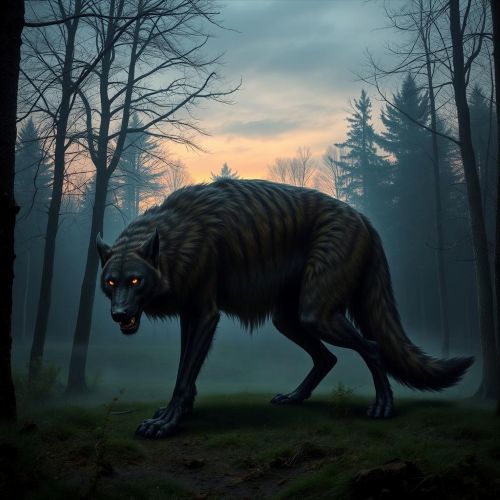
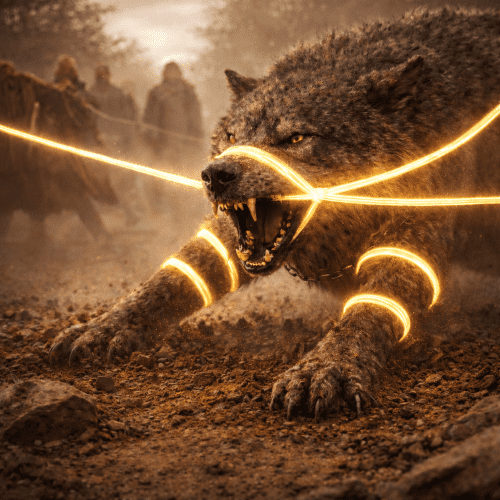
One of her most important duties involves guarding the chained doomsday hound often connected to Simargl or a celestial beast bound to the constellation Ursa Minor. According to legend, if the creature ever escaped its chains, the universe itself would collapse into chaos. Together with her sisters, Zorya Polunochnaya stands watch over creation and prevents the end of the world.
Unlike many warlike or thunderous deities in Slavic legend, Zorya Polunochnaya represents stillness and vigilance. She embodies the quiet tension of midnight, the moment when darkness feels endless but dawn slowly begins its unseen approach. This symbolic role has helped her remain one of the most intriguing celestial figures in Slavic mythology.
Physical Traits
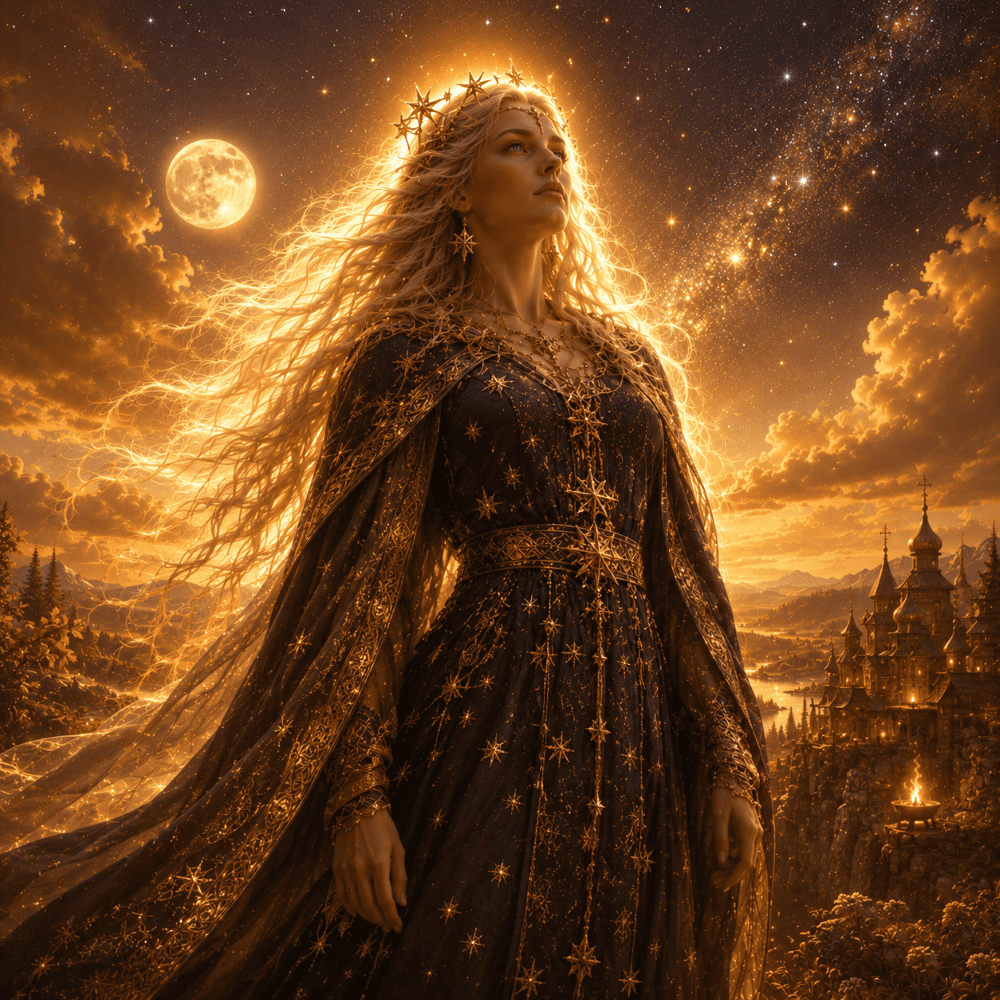
Traditional Slavic folklore does not provide a detailed physical description of Zorya Polunochnaya, which has allowed modern artists and writers to interpret her appearance in different ways. Most depictions portray her as a tall and ethereal woman surrounded by starlight, dressed in dark flowing robes that resemble the midnight sky.
She is often associated with silver, moonlight, and pale celestial colors rather than the warm golden imagery connected to the dawn. In many modern interpretations, her hair appears white or silver-blue, reflecting the glow of stars during the deepest hours of night. Her eyes are commonly imagined as luminous and distant, symbolizing wisdom and eternal vigilance.
Unlike heavily armored warrior goddesses, Zorya Polunochnaya is usually portrayed as calm and introspective. Her beauty is connected to silence rather than grandeur. Artists frequently place her beneath constellations, beside the moon, or surrounded by wolves and nocturnal birds to emphasize her connection to darkness and cosmic mystery.
Because surviving folklore about the Midnight Star is fragmented, many visual traits associated with her come from modern Slavic fantasy art, literature, and neo-pagan symbolism rather than ancient primary sources. Still, these portrayals remain faithful to her larger role as a celestial guardian of the night.
Family
Zorya Polunochnaya belongs to the legendary Zorya sisterhood, a group of celestial maidens tied to the movements of the heavens. In later Slavic traditions, the sisters are usually identified as daughters of Dazbog, the powerful solar deity associated with sunlight, prosperity, and cosmic order.
Her sisters include Zorya Utrennyaya, the Morning Star who opens the gates for the sun each dawn, and Zorya Vechernyaya, the Evening Star who closes the celestial gates at sunset. Together, the three sisters maintain the rhythm of day and night.
Some traditions also connect the Zoryas to the Moon and other celestial beings, placing them within a broader cosmic family rather than a strictly human-like genealogy. Because Slavic mythology evolved differently across regions, the exact family structure changes between sources. In certain older folk traditions, only two Zoryas are explicitly mentioned, while the Midnight Star appears later in mythological reconstruction and literary retellings.
Despite these variations, Zorya Polunochnaya remains an essential part of the celestial balance shared by the sisters. Their combined roles symbolize continuity, protection, and the eternal cycle of time.
Other names
The name “Zorya” comes from a Slavic root connected to dawn, radiance, or aurora. Zorya Polunochnaya specifically translates to “Midnight Star” or “Midnight Dawn,” reflecting her connection to the deepest part of the night.
Different linguistic traditions use variations such as Zarya, Zaria, or Zorza when referring to the Zorya figures collectively. In modern mythology discussions, she is also called the Midnight Zorya or the Third Zorya to distinguish her from her sisters.
Some modern interpretations refer to her as the Guardian of the Night because of her cosmic duty protecting the universe from destruction. Although these titles are not always found in ancient folklore, they accurately capture the symbolic role she plays in later Slavic mythological traditions.
Because historical Slavic mythology survives in fragmented records, names and spellings often differ between Russian, Polish, Ukrainian, and South Slavic sources. This linguistic diversity has contributed to the mystical aura surrounding Zorya Polunochnaya and her sisters.
Powers and Abilities
Zorya Polunochnaya is primarily associated with celestial guardianship and the hidden power of the night sky. Her greatest responsibility is maintaining cosmic order by helping guard the chained apocalyptic beast that threatens the universe. This role places her among the protective divine figures of Slavic mythology.
She is strongly connected to stars, moonlight, and prophecy. Many modern interpretations portray her as a watcher of destinies who studies the movements of the heavens to understand future events. Her quiet nature symbolizes patience, wisdom, and eternal vigilance.
Some legends suggest that the Zoryas oversee the life cycle of the sun itself. In these interpretations, Zorya Polunochnaya restores or protects the sun during the darkest hours before dawn arrives again. This links her to themes of renewal, rebirth, and survival through darkness.
The Midnight Star is also associated with protection against evil spirits and nightmares. In neo-pagan and modern spiritual traditions, she represents the comforting aspect of darkness rather than fear itself. Her night is not chaotic but sacred, silent, and watchful.
Unlike storm gods or warrior heroes who rely on force, Zorya Polunochnaya’s power comes from endurance and cosmic responsibility. Her mythology reflects the idea that the universe survives not only through strength, but through constant vigilance.
Modern Day Influence
Zorya Polunochnaya gained major international recognition through American Gods by Neil Gaiman. In the novel and its television adaptation, the Zorya sisters appear as ancient deities surviving in the modern world. The Midnight Star is portrayed as quiet, observant, and deeply connected to the stars.
This appearance introduced many global audiences to Slavic mythology and renewed interest in lesser-known celestial deities. Since then, Zorya Polunochnaya has appeared in fantasy literature, role-playing games, online mythology communities, and neo-pagan practices.
Modern Slavic artists often portray her as a symbol of feminine mystery and cosmic wisdom. Her connection to the stars and the silence of night has made her especially popular in dark fantasy artwork and modern spiritual symbolism.
The growing popularity of Slavic mythology in games, streaming series, and fantasy fiction has also helped preserve figures like Zorya Polunochnaya for new generations. Even though historical information about her remains limited, her symbolic role continues to evolve in contemporary storytelling.
Related Images

Source
Eliade, M. (1959). The sacred and the profane: The nature of religion. Harcourt.
Gaiman, N. (2001). American gods. William Morrow.
Gaiman, N. (2017). American Gods [Television series]. Starz.
Godchecker. (2023, June 15). Zorya Polunochnaya – the Slavic Goddess of Night. https://www.godchecker.com/slavic-mythology/ZORYA-POLUNOCHNAYA/
Godchecker. (2023, June 15). Zorya – the Slavic Star Goddesses. https://www.godchecker.com/slavic-mythology/ZORYA/
Zorya [Wikipedia entry]. (n.d.). https://en.wikipedia.org/wiki/Zorya
Zorya [Slavic mythology site]. https://slavic-mythology.com/gods/zorya/
The Zorya – Consilience journal (2013, February 6). https://www.consilience-journal.com/conciliarte/the-zorya
Frequently Asked Questions
Who is Zorya Polunochnaya?
Zorya Polunochnaya is the Midnight Star in Slavic mythology and one of the celestial Zorya sisters who guard cosmic balance.
What does Zorya Polunochnaya represent?
She represents midnight, vigilance, celestial protection, prophecy, and the silent power of the night sky.
Is Zorya Polunochnaya an ancient Slavic goddess?
The Midnight Star appears mainly in later traditions and modern retellings, while older folklore more commonly mentions two Zorya sisters.
What creature does Zorya Polunochnaya guard?
She helps guard a chained apocalyptic hound linked to Simargl or a celestial beast whose escape could end the world.
Where is Zorya Polunochnaya popular today?
She gained modern popularity through American Gods and contemporary interest in Slavic folklore.