

Xiuhcoatl : The Sacred Fire Weapon of Huitzilopochtli
At a glance
| Description | |
|---|---|
| Mythology | Aztec Mythology |
| Type | Invoked |
| Power | 08/10 |
Mythlok Perspective
In Mythlok’s View, Xiuhcoatl is less a weapon and more an elemental principle shaped into form. It reflects how cultures transform natural forces into divine tools of order. Like Zeus’ lightning in Greek tradition or Indra’s Vajra in Indian belief, Xiuhcoatl channels celestial power into a single striking force. Across cultures, such weapons reveal a shared human need to explain how chaos is controlled through divine energy.
Xiuhcoatl
Introduction
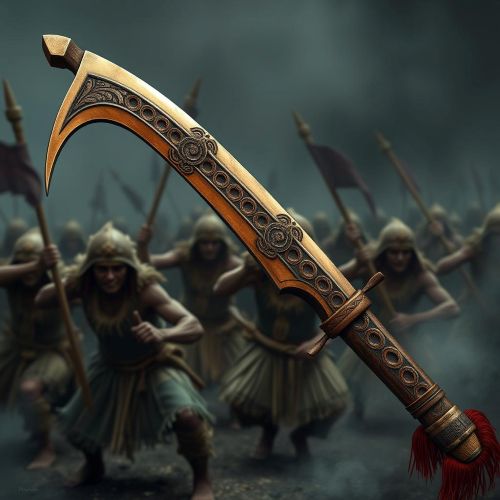
Xiuhcoatl stands as one of the most striking symbols of power in Aztec belief, often translated from Nahuatl as the “turquoise serpent” or “fire serpent.” More than a creature, it functioned as a divine weapon and a cosmic force tied to fire, time, and rulership. In surviving codices and sculptures, Xiuhcoatl appears as a serpent with a distinctive upturned snout, segmented body, and symbolic tail that represents the passage of years.
Its meaning goes beyond appearance. The word xihuitl connects ideas of fire, turquoise, and the calendar year, while coatl means serpent. Together, they form a concept that merges elemental fire with cyclical time. Xiuhcoatl was closely associated with the fire deity Xiuhtecuhtli and became a central emblem of divine authority.
In imperial imagery, Aztec rulers wore the xiuhuitzolli diadem shaped like the serpent’s tail, linking kingship to sacred fire. The weapon also appears behind major deities such as Huitzilopochtli, reinforcing its role as both a weapon of war and a symbol of cosmic order.
Origins
The origins of Xiuhcoatl are deeply rooted in early Mesoamerican traditions, predating the rise of the Aztec Empire but becoming fully developed in Mexica religion. Archaeological evidence shows serpent imagery evolving over centuries, eventually forming the recognizable fire-serpent motif seen in Late Postclassic art.
In mythology, Xiuhcoatl is inseparable from the birth of Huitzilopochtli. According to the sacred narrative set on Coatepec, the god was born fully armed and immediately wielded the fire serpent against his enemies. This moment established Xiuhcoatl as a weapon forged from divine energy rather than crafted by human hands.
The serpent is also understood as the nahual, or spiritual manifestation, of Xiuhtecuhtli. As the lord of fire, heat, and time, Xiuhtecuhtli embodies continuity and transformation, and Xiuhcoatl expresses those qualities in motion. The connection between fire and the calendar year further reinforces its role in cyclical renewal, linking destruction with rebirth.
By the height of the Aztec Empire, Xiuhcoatl had evolved into a national symbol. It appeared in ceremonial objects, temple carvings, and codices, including scenes in the Codex Borgia where it is tied to cosmic fire rituals and solar creation.
Powers
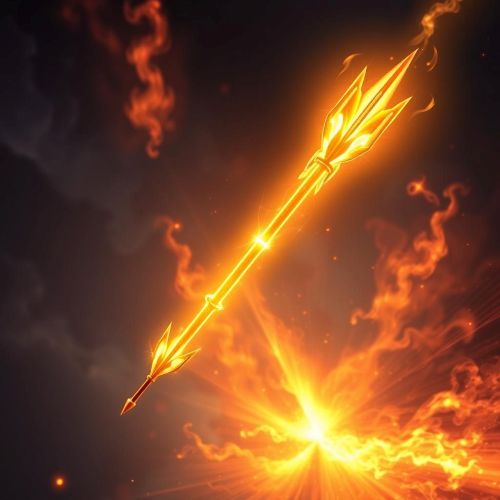
Xiuhcoatl represents fire in its most intense and transformative form. As a weapon, it is often described metaphorically as a bolt of lightning or a stream of solar flame, capable of overwhelming enemies instantly. Its serpentine body visually resembles a streak of energy, reinforcing this interpretation.
In mythological imagery, the serpent emits fire from its mouth and carries an aura of heat that symbolizes drought and the harshness of the dry season. This destructive aspect reflects the sun’s ability to scorch the earth, but it also highlights a deeper purpose. Fire, in Aztec belief, was not only destructive but purifying.
Xiuhcoatl’s power therefore lies in duality. It destroys enemies and clears the land, but it also renews the world and sustains cosmic balance. Through rituals, offerings, and warfare symbolism, the fire serpent became a force that maintained the Fifth Sun, the current cosmic age in Aztec cosmology.
Its turquoise association adds another layer of meaning. Turquoise was considered precious and eternal, suggesting that Xiuhcoatl is not just fleeting flame but a timeless force embedded in the structure of the universe.
Owners/Users
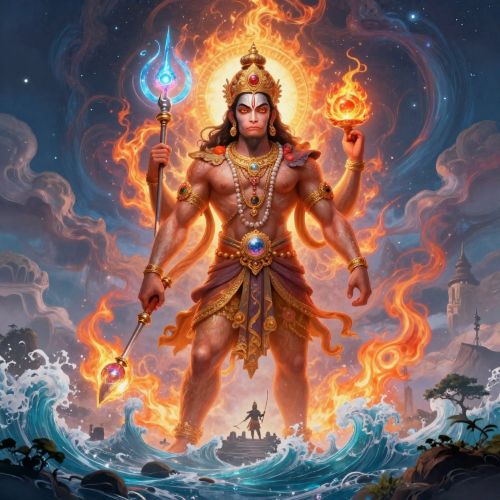
The most prominent wielder of Xiuhcoatl is Huitzilopochtli, who uses it as his primary weapon in myth. His connection to the sun and warfare makes the fire serpent an extension of solar energy itself.
Xiuhtecuhtli, as the origin of the serpent’s essence, is another key figure associated with it. In artistic depictions, Xiuhcoatl often appears as a back ornament or companion, emphasizing its role as a manifestation of divine fire rather than a separate entity.
Aztec rulers also adopted its symbolism. The xiuhuitzolli crown, modeled after the serpent’s tail, signified their right to rule under divine fire. By wearing this emblem, emperors aligned themselves with cosmic authority and the sustaining power of the sun.
Warriors and priests further extended its presence into daily life. Elite fighters carried banners and armor decorated with Xiuhcoatl imagery, while priests invoked its power during ceremonies. In this way, the weapon bridged the divine and human worlds, reinforcing hierarchy and belief.
Instances used
The most famous use of Xiuhcoatl occurs during the birth of Huitzilopochtli. On Coatepec, he confronts his sister Coyolxauhqui and the Centzon Huitznahua. With Xiuhcoatl, he decapitates Coyolxauhqui and defeats his many brothers, symbolizing the triumph of the sun over the moon and stars.
This myth is not just a story but a cosmic explanation. The dismemberment of Coyolxauhqui reflects the fragmentation of the moon, while the defeat of the stars represents the sun’s daily victory over darkness. Xiuhcoatl becomes the mechanism through which this order is maintained.
Beyond myth, the serpent appears in ritual and artistic contexts. During major festivals such as Panquetzaliztli, ceremonies reenacted the birth of Huitzilopochtli, reinforcing the importance of sacrifice and renewal. In warfare, its imagery served as a psychological and spiritual weapon, symbolizing divine support in battle.
Codices and temple carvings also depict Xiuhcoatl in cosmic scenes, including fire-drilling rituals that mark the renewal of time. These instances show that its use extends far beyond combat, functioning as a central element in sustaining the universe itself.


Source
Klein, C. F. (1983). The face of the earth: Roundness, geometry, and cycles of time in Mesoamerican art. Center for Pre-Columbian Studies, Dumbarton Oaks Research Library and Collection.
Miller, M. E., & Taube, K. A. (1993). The gods and symbols of ancient Mexico and the Maya: An illustrated dictionary of Mesoamerican religion. Thames and Hudson.
Smith, M. E. (2003). The Aztecs (2nd ed.). Blackwell Publishing.
Taube, K. A. (1992). The major gods of ancient Yucatan. Dumbarton Oaks Research Library and Collection.
Wikipedia. (2023). Xiuhcoatl. https://en.wikipedia.org/wiki/Xiuhcoatl
Storytelling Database. (2025). Huitzilopochtli – The Aztec God of War. https://storytellingdb.com/huitzilopochtli/
Wired Humanities Projects. (2004). xiuhcoatl. https://nahuatl.wired-humanities.org/content/xiuhcoatl
Religion Wiki. (n.d.). Xiuhcoatl. https://religion.fandom.com/wiki/Xiuhcoatl
Mythical Encyclopedia. (2023). Xiuhcoatl. https://mythicalencyclopedia.com/xiuhcoatl/
Frequently Asked Questions
What is Xiuhcoatl in Aztec belief?
Xiuhcoatl is a mythical fire serpent weapon symbolizing divine fire, time, and cosmic power in Aztec culture.
Who used Xiuhcoatl?
It was primarily wielded by Huitzilopochtli and linked to Xiuhtecuhtli as his spiritual manifestation.
What does Xiuhcoatl mean?
The name means “turquoise serpent” or “fire serpent,” combining ideas of fire, time, and precious stone.
Why is Xiuhcoatl important?
It represents the sun’s power, cosmic balance, and the cycle of destruction and renewal in Aztec belief.
Is Xiuhcoatl a creature or weapon?
It is both, depicted as a serpent but functioning mainly as a divine weapon of fire and energy.