


Minona : The Fon Goddess of Sorcery and Prophecy
Listen
At a glance
| Description | |
|---|---|
| Origin | Dahomey Mythology |
| Classification | Gods |
| Family Members | Mawu-Lisa, Fa (Children) |
| Region | Benin and Togo |
| Associated With | Sorcery, Prophecy |
The Mythlok Perspective
In Mythlok’s Perspective, Minona represents the quiet authority of feminine foresight rather than overt cosmic power. She is not a thunderous sky deity but a forest whisperer, shaping destiny through patience and knowledge. Her connection to palm kernel divination mirrors systems like Ifa in Yoruba culture and the Oracle traditions of ancient Greece. Across civilizations, prophecy often emerges through ritual tools rather than spectacle. Minona stands in that lineage, embodying disciplined magic rooted in earth and ancestry rather than domination.
Minona
Introduction
Minona is a revered spiritual figure within the Fon religious tradition of present-day Benin and Togo, regions historically linked to the powerful Kingdom of Dahomey. Within the wider framework of Vodun, she is remembered as a goddess of sorcery, prophecy, and fortune-telling. Unlike distant creator deities, Minona is approachable. She operates within the intimate spaces of forest, home, and farmland, guiding women, protecting harvests, and revealing the unseen threads of destiny.
The keyword Minona is most strongly associated with divination through palm kernels, a sacred technique deeply embedded in Fon spiritual practice. She is said to have taught humanity how to interpret omens from nature, especially from palm cones and kernels, making her both a teacher and guardian of foresight. Through this role, Minona stands at the intersection of magic, agriculture, and feminine wisdom.
Physical Traits
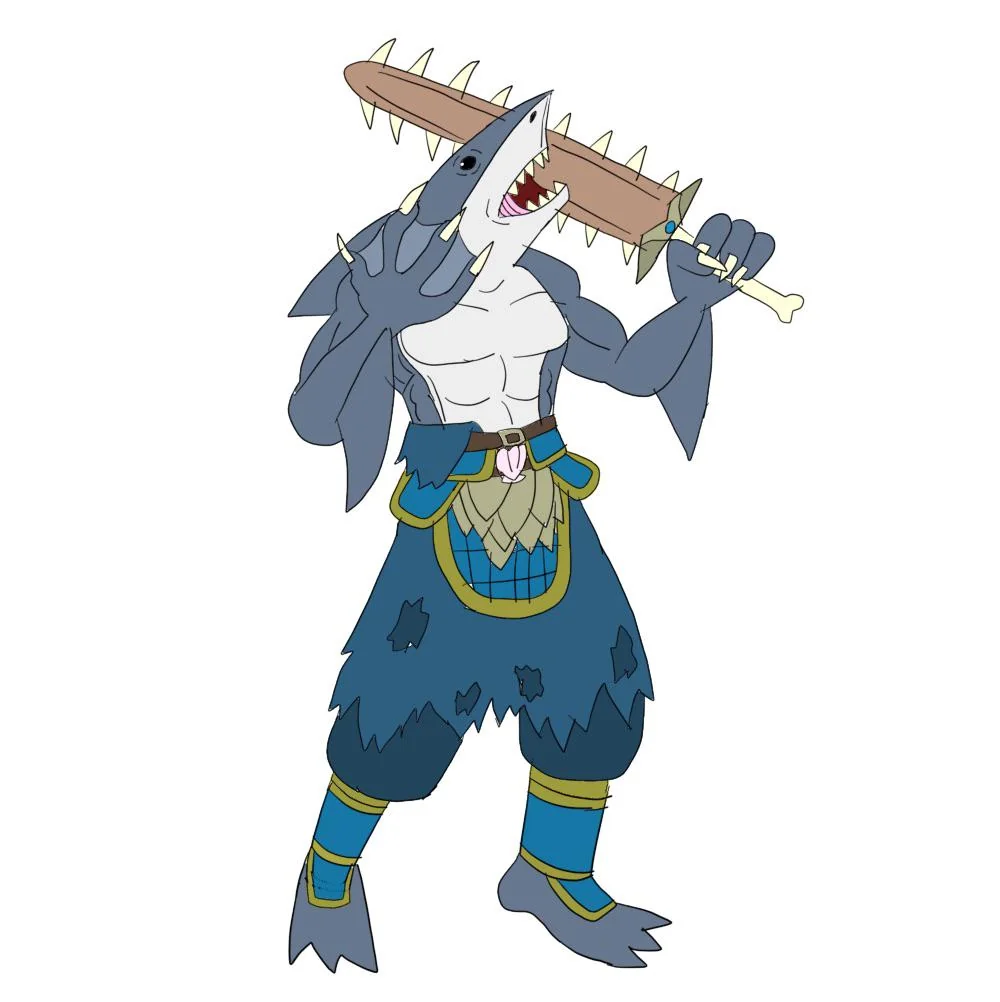
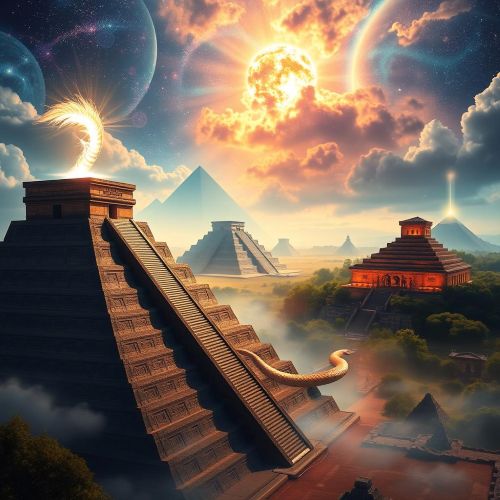
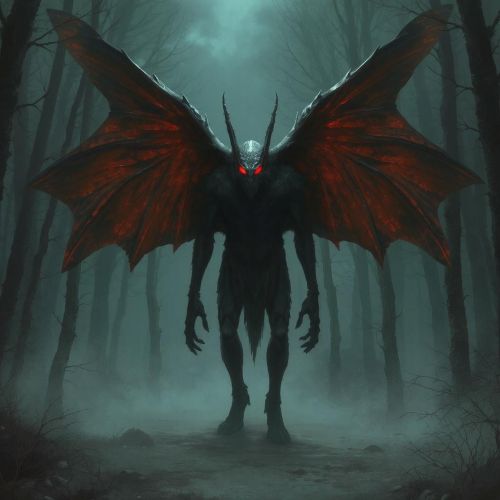
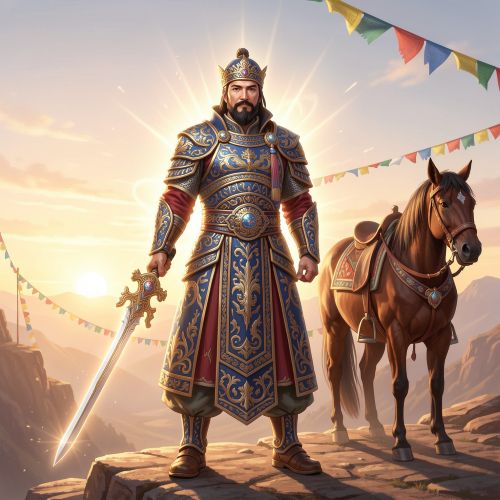
There are no fixed anthropomorphic descriptions of Minona in surviving oral or recorded traditions. Like many Vodun deities, she is defined less by physical appearance and more by symbolic association. Her presence is linked to the forest, suggesting a spiritual embodiment rather than a human-like form.
The most consistent symbolic reference tied to Minona is the palm kernel. Her divinatory practice involves casting and interpreting palm nuts, aligning her with the natural world and agricultural cycles. In Vodun cosmology, physical imagery is often secondary to ritual tools. Thus, Minona’s identity is expressed through sacred objects, ritual gestures, and spiritual function rather than bodily features.
Family
Minona’s familial relationships connect her to some of the most important figures in Fon cosmology. She is traditionally described as the mother of Mawu-Lisa and Fa. This lineage places her near the foundation of cosmic order itself.
Mawu-Lisa represents the dual creator principle, embodying both feminine and masculine energies responsible for shaping the universe. Fa governs divination and destiny, forming the backbone of the Fon system of spiritual consultation. If Minona is indeed the mother of both, her position becomes even more profound: she stands at the origin of creation and prophecy.
Her relationship with Legba is debated in various oral traditions. Some narratives describe her as his mother, while others refer to her as his sister. Legba serves as the intermediary between humans and spirits, opening pathways and crossroads. This connection reinforces Minona’s association with destiny, communication, and spiritual thresholds.
Other names
Minona is also known by variations such as Mino and Minon. In the Fon language, “Mino” translates to “Our Mothers,” emphasizing reverence and collective maternal symbolism. The title reflects both nurturing authority and spiritual guardianship.
Some interpretations suggest that “Mino” may also carry connotations linked to witchcraft or sorcery in certain contexts. Rather than a negative association, this underscores her command over esoteric knowledge. In Fon spirituality, magical power is not inherently malevolent. It is a sacred force that requires wisdom and discipline.
It is important to distinguish Minona the goddess from the historical Dahomey female warriors also called Mino. Although they share linguistic roots, the deity and the military regiment belong to different domains, one spiritual and the other historical.
Powers and Abilities
Minona’s core domain centers on prophecy and divination. She resides in the forest, where she performs sacred acts of foresight using palm kernels. Tradition credits her with teaching humanity how to read omens from palm cones, forming an early framework for spiritual consultation.
Her prophetic role connects closely with Fa divination, a structured system still practiced within Vodun communities. By interpreting natural signs, Minona bridges human uncertainty and cosmic order. She reveals what is hidden, clarifies destiny, and guides moral choices.
Beyond prophecy, Minona is associated with blessing crops and protecting women. Agriculture in Dahomey was inseparable from spirituality, and fertility of the land mirrored fertility within the household. As a guardian of women, she embodies empowerment rather than passivity. Her magic supports resilience, intuition, and survival.
Her abilities also carry a dual nature. As a goddess of sorcery, she commands both protective and transformative forces. Magic within her domain is not chaotic but disciplined, tied to ritual knowledge and ancestral wisdom.
Modern Day Influence
While Minona herself remains rooted in traditional Fon spirituality, her name echoes through history in the Kingdom of Dahomey. The all-female military regiment known as the Mino drew its title from the same linguistic root meaning “Our Mothers.” These warriors served from the 17th to the late 19th century in what is now Benin.
European observers later referred to them as the Dahomey Amazons. Their story has inspired modern cultural works, including the 2022 film The Woman King, which dramatized their military legacy. Though historically distinct from the goddess Minona, the shared title reflects a cultural reverence for powerful women.
Within modern Vodun practice in Benin and Togo, divination systems tied to Fa continue to thrive. Rituals using palm kernels and consultation with spiritual intermediaries remain active components of community life. In this sense, Minona’s spiritual influence persists through living tradition rather than popular media.
Vodun itself continues to be a structured, hierarchical spiritual system emphasizing harmony between humanity and nature. The Abomey plateau in Benin remains a center of ritual continuity, preserving ancestral practices linked to deities like Minona.
Related Images


Source
Illes, J. (2009). Encyclopedia of spirits: The ultimate guide to the magic of fairies, genies, demons, ghosts, gods & goddesses. HarperOne.
Illes, J. (2009). Encyclopedia of spirits: The ultimate guide to the magic of fairies, genies, demons, ghosts, gods & goddesses. HarperOne.
Kaleidoscopic Path Wiki. (n.d.). Minona. https://kaleidoscopic-path.fandom.com/wiki/Minona
Occult World. (2017). Minona. https://occult-world.com/minona/
Herskovits, M. J. (1938). Dahomey: An ancient West African kingdom (Vol. 1). J.J. Augustin.
Fandrich, I. J. (1995). The development of Vodou in the Haitian slave society. Rutgers University.
West African Vodún. (2023). In Wikipedia. https://en.wikipedia.org/wiki/West_African_Vod%C3%BAn
Vodun: West Africa’s spiritual life. (2021). Google Books. https://books.google.com/books/about/Vodun.html?id=ZosbEAAAQBAJ
Frequently Asked Questions
Who is Minona in African tradition?
Minona is a Fon goddess from Benin and Togo associated with sorcery, prophecy, and palm kernel divination within the Vodun religious system.
What is Minona the goddess of?
She governs fortune-telling, magical knowledge, agricultural blessings, and the spiritual protection of women.
Is Minona related to Mawu-Lisa?
Yes, traditional accounts describe Minona as the mother of Mawu-Lisa, the dual creator deity in Fon cosmology.
What is the connection between Minona and Fa?
Minona is considered the mother of Fa, the deity of divination, linking her directly to the structured prophetic system of Vodun.
Are the Dahomey Amazons connected to Minona?
The Dahomey female warriors were called Mino, meaning “Our Mothers,” sharing linguistic roots with Minona, but they were a historical military regiment rather than a spiritual deity.
