

Urduja : The Legendary Warrior Queen of the Philippines
At a glance
| Description | |
|---|---|
| Origin | Philippine Mythology |
| Classification | Mortals |
| Family Members | Sultan Lakanpati (Father) |
| Region | Philippines |
| Associated With | Warfare, Leadership, Naval power, Female empowerment |
The Mythlok Perspective
In Mythlok’s Perspective, Urduja represents a rare convergence of history and legend, where a figure becomes larger than the records that describe her. She embodies the archetype of the warrior queen, similar to figures like Boudica of Celtic tradition or the Trung Sisters of Vietnam, yet remains uniquely rooted in maritime Southeast Asia. Unlike many mythic women defined by relationships, Urduja is defined by autonomy. Her legend reflects a world where power was earned through strength and leadership rather than inherited expectations.
Urduja
Introduction
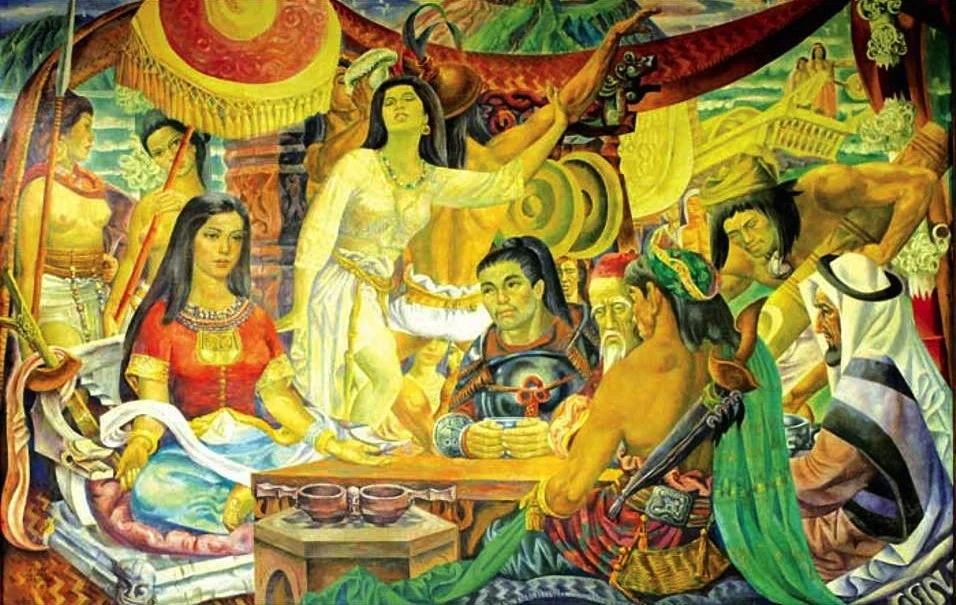
Urduja stands as one of the most compelling figures associated with Philippine legend and early historical accounts. Believed to have lived between the 14th and early 15th centuries, she is described in the travel writings of Ibn Battuta, the Moroccan explorer who journeyed across Asia. He encountered a powerful female ruler in a land called Tawalisi, a kingdom known for its naval strength and regional influence.
While historians still debate the exact location of Tawalisi, many Filipino scholars associate it with Pangasinan due to cultural and geographic clues mentioned in the accounts. Influential thinkers such as José Rizal and Austin Craig supported this interpretation, linking Urduja to pre-colonial Philippine society. Regardless of whether she was a historical queen or a legendary composite, Urduja has become a symbol of indigenous strength, sovereignty, and leadership long before colonial rule reshaped the region. Her story is not simply about a ruler. It reflects a society where women could command armies, engage in diplomacy, and stand as equals in warfare and governance.
Physical Traits
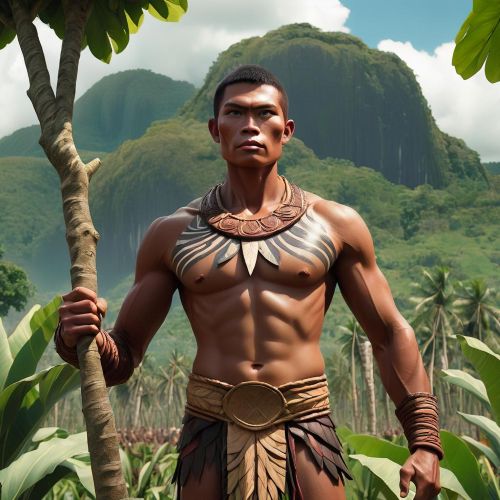
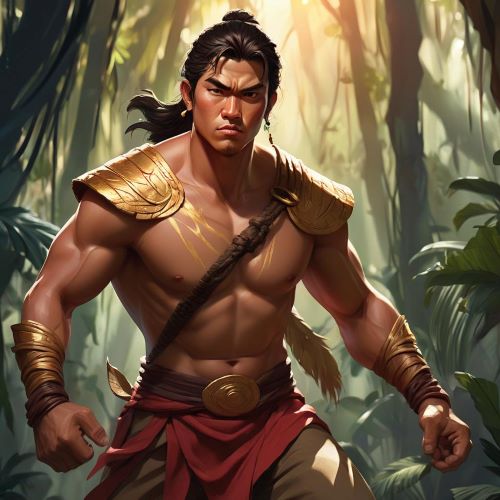
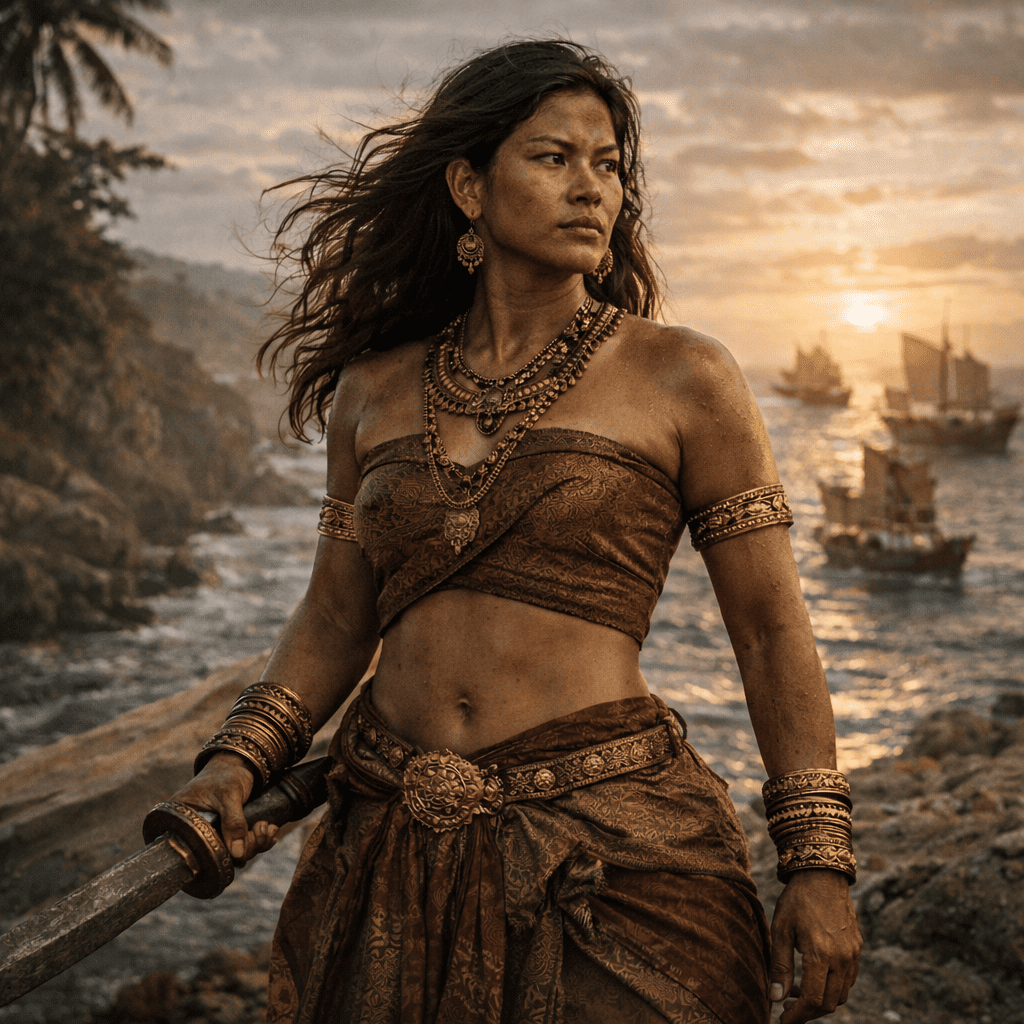
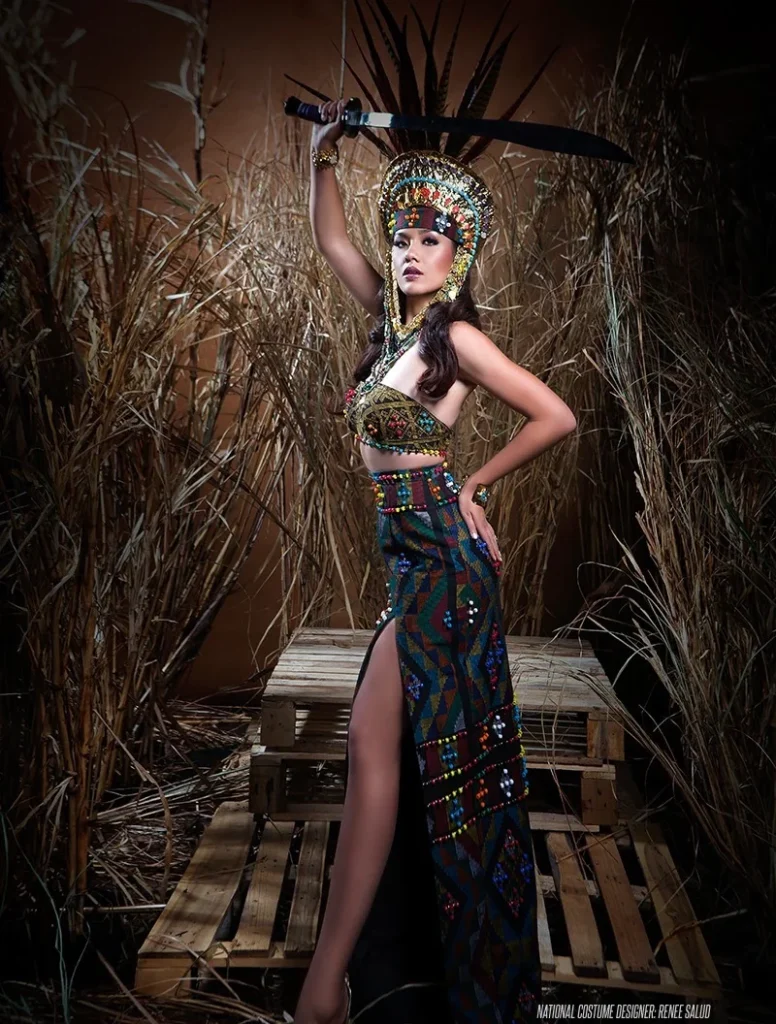
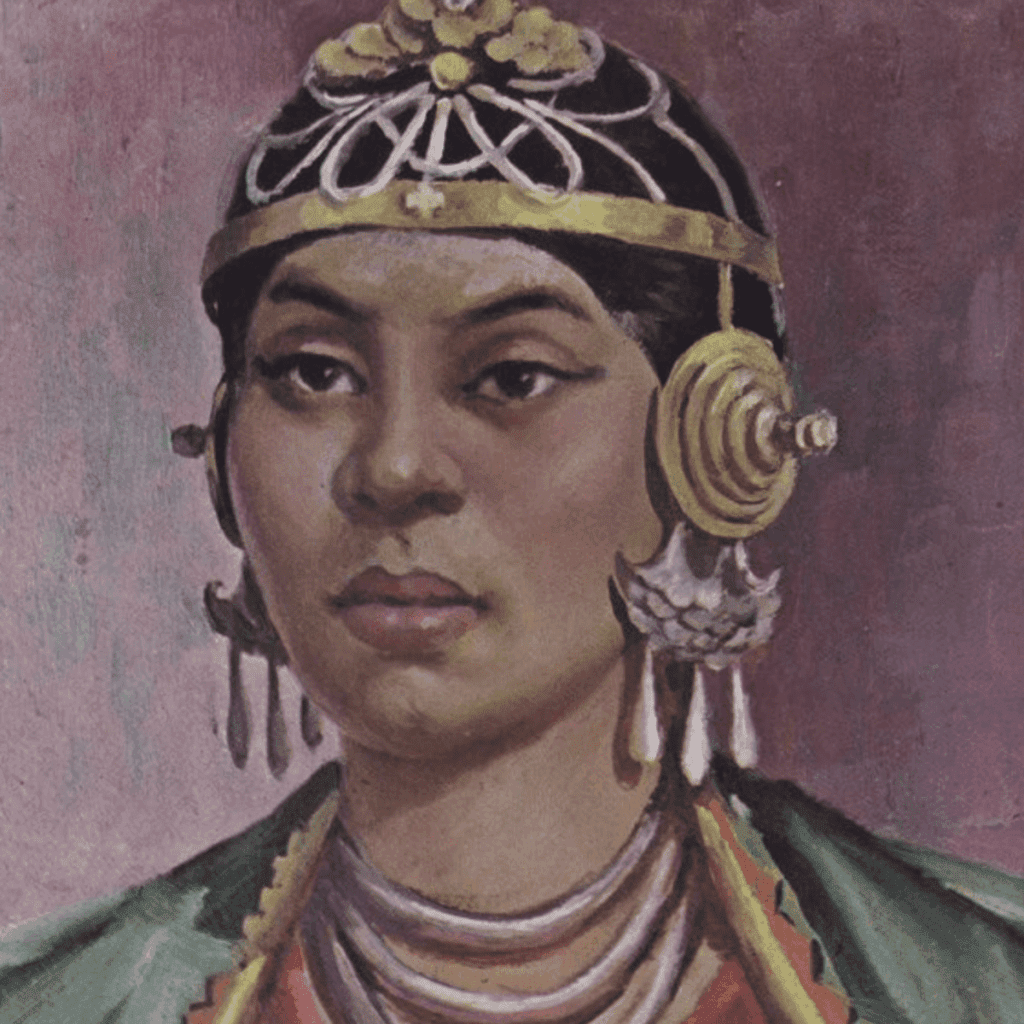
Descriptions of Urduja emphasize both her beauty and her strength, presenting her as a figure who embodied both grace and power. She is often imagined with golden-brown or bronze skin, dark flowing hair, and a commanding presence that matched her role as a warrior leader.
Accounts highlight her athletic and muscular build, shaped by years of combat training and horseback riding. Unlike passive royal figures, Urduja’s physicality reflects discipline and readiness for battle. She is frequently depicted wearing gold ornaments or armor, symbolizing both her royal status and the wealth of her kingdom.
Some historical notes mention that her people shared features associated with Turkic groups, likely reflecting the interconnected trade networks of Southeast Asia during that era. This detail adds to the broader cultural complexity of her story, placing her within a world of maritime exchange and diverse influences.
Family
Urduja is believed to have been the daughter of a powerful ruler, often identified in later traditions as Sultan Lakanpati. Her father governed Tawalisi, a kingdom described as possessing numerous ships and maintaining strong military capabilities.
Legends suggest that her father lost his sons in defense of the kingdom, which led to Urduja being trained from a young age to take on responsibilities typically reserved for male heirs. This shift shaped her identity as both a princess and a warrior, preparing her to lead troops and defend her people.
Beyond her father, little is known about her family structure. The absence of detailed familial records reinforces the idea that her story survives primarily through a blend of oral tradition and travel narratives rather than formal historical documentation.
Other names
The name Urduja is often linked to Sanskrit linguistic roots, reflecting the Indian cultural influence that spread across Southeast Asia through trade and religion. It may derive from “Udaya,” meaning rising or dawn, or “Urja,” meaning energy or life force.
These meanings align closely with her portrayal as a powerful and radiant leader. In some regional traditions, particularly among the Ibaloi people, similar figures appear under slightly different names, suggesting that Urduja’s legend may have evolved from older oral narratives that were later recorded in varying forms. This linguistic connection highlights how pre-colonial Philippine culture was part of a wider network of ideas and exchanges across Asia.
Powers and Abilities
Urduja’s reputation is built on her exceptional martial skill and leadership. She commanded a group of elite warrior women known as the Kinalakian, who were trained in combat, horsemanship, and battlefield strategy. This alone sets her apart as a rare figure in global legend, where female-led armies were uncommon but deeply respected.
She was skilled in sword fighting and known to personally participate in battles rather than lead from a distance. Her abilities extended beyond combat into navigation and diplomacy, indicating a ruler capable of managing both land and sea power.
One of the most enduring aspects of her legend is her declaration that she would only marry a man who could defeat her in battle. This challenge discouraged many suitors and reinforced her independence, turning marriage into a test of strength rather than a political obligation.
Ibn Battuta also noted her intelligence and cultural awareness. She was said to understand multiple languages, a reflection of the trade networks that connected her kingdom to other parts of Asia. Her ambition reportedly extended beyond her borders, with references to planned expeditions toward India, known then as the “Pepper Country.”
Modern Day Influence
Urduja’s legacy continues to shape Filipino cultural identity, especially in Pangasinan where she is celebrated as a regional heroine. Her presence can be seen in landmarks such as Urduja House, the official residence of the provincial governor, and statues that commemorate her strength and leadership.
She has also become a recurring figure in Philippine media. Films, television series, and animation have reimagined her story for modern audiences, with the 2008 animated film Urduja introducing her to a new generation. Her character often appears as a symbol of courage, independence, and national pride.
Beyond entertainment, Urduja represents a deeper cultural narrative. She challenges assumptions about gender roles in pre-colonial societies and highlights the possibility of female leadership in early Southeast Asian history.
Her name has even been used beyond cultural storytelling. A tropical cyclone in 2017 was named Urduja, and a minor planet, 5749 Urduja, carries her legacy into the realm of astronomy. These recognitions demonstrate how her story continues to evolve, bridging mythology, history, and modern identity.
Related Images

Source
Ibn Battuta. (2008). Ibn Battuta’s account of the Philippines. Elib.gov.ph. https://www.elib.gov.ph/results.php?f=author&q=Ibn+Batuta%2C++1304-1377.
Scott, W. H. (1984). Prehistoric sourcebook of Philippine civilization. New Day Publishers.
Entienza, R. (Director). (2008). Urduja [Film]. Renaissance Pictures International. https://varsitarian.net/pinoy_animation_makes_stride_with_urduja/
Ibn Battuta. (1929). Travels in Asia and Africa 1325-1354 (H. A. R. Gibb, Trans.). Broadway House.
Craig, A. (1916). The particulars of the Philippines pre-Spanish past. University of the Philippines. https://en.wikipedia.org/wiki/Urduja
Rizal, J. (1887). Annotations to Antonio de Morga’s Sucesos de las Islas Filipinas.
History of Royal Women. (2017, January 6). Urduja – The warrior princess. https://www.historyofroyalwomen.com/the-royal-women/urduja-warrior-princess/
Pinoy Culture. (2016, April 4). Princess Urduja – Folk heroes & heroines from the Philippines. https://pinoy-culture.com/princess-urduja-folk-heros-heroines-from-the/
Frequently Asked Questions
Who was Urduja?
Urduja was a legendary warrior princess described by Ibn Battuta, linked to pre-colonial Philippine leadership and naval power.
Was Urduja a real historical figure?
Her existence is debated, but she is based on historical accounts blended with regional legend.
Where was Urduja’s kingdom located?
Many scholars associate her kingdom Tawalisi with Pangasinan in the Philippines.
What made Urduja unique?
She led an army of women warriors and vowed to marry only a man who could defeat her in combat.
Why is Urduja important today?
She symbolizes female strength, leadership, and the rich cultural history of the Philippines.