
Sosruko : The Fire-Forged Hero of the Nart Sagas
At a glance
| Description | |
|---|---|
| Origin | Caucasus Mythology |
| Classification | Demigods |
| Family Members | Seteney / Satanaya (Mother), Tlepsh (Mentor/Father-in-law) |
| Region | Georgia |
| Associated With | Fire, Trickery, Heroic quests, Intelligence, Magic |
The Mythlok Perspective
In Mythlok’s Perspective, Sosruko represents a rare mythic balance between elemental power and human ingenuity. Unlike many heroic figures defined purely by strength, Sosruko’s defining trait is intelligence combined with supernatural origins. His story illustrates how early societies admired cleverness as much as physical dominance. Across cultures, similar figures appear in mythic traditions. Sosruko’s fire-bringing act mirrors Prometheus in Greek tradition, while his trickster instincts resemble Loki in Norse lore. Like these figures, he occupies a space between chaos and creation, proving that the most transformative heroes are often those who challenge the established order.
Sosruko
Introduction
Sosruko is one of the most recognizable heroes in the legendary Nart sagas, the epic cycle of stories shared by many peoples of the North Caucasus such as the Circassians, Abkhaz, Abaza, Karachay-Balkars, and Ossetians. These stories function much like the Greek epics or the Norse sagas, preserving ancient beliefs about heroism, cosmic forces, and the origins of culture. Within these narratives, Sosruko appears as a paradoxical figure: part divine child, part heroic warrior, and part clever trickster.
The Nart sagas are more than simple adventure tales. They are foundational myths that shaped cultural identity across the Caucasus for centuries. In these stories, the Narts are a legendary race of heroes who live between the human and supernatural worlds. Sosruko stands out among them because his actions often change the fate of the entire community. His exploits include stealing fire, defeating giants, and outsmarting enemies who are physically stronger than him.
Scholars often interpret Sosruko as a culture hero, a figure who brings knowledge or resources to humanity. In several versions of the Nart sagas, he obtains fire for the Narts, echoing themes seen in other ancient mythologies. Yet he is also associated with darker, chthonic forces tied to the earth and the underworld. This combination makes Sosruko one of the most complex figures in Circassian tradition.
Physical Traits
Unlike many legendary heroes who are described as tall and physically imposing, Sosruko’s appearance is surprisingly modest. In several Circassian traditions he is portrayed as smaller and darker than other Nart warriors. This physical contrast highlights a central theme in his myth: true power does not always come from physical strength.
One of the most distinctive features attributed to Sosruko is lameness or bandy legs. This unusual trait appears in multiple versions of the Nart sagas. Rather than weakening him, the feature becomes a symbolic mark of his supernatural nature. Many mythological figures across cultures share similar imperfections, suggesting a connection between physical irregularity and divine power.
The explanation for Sosruko’s lameness varies depending on the version of the tale.In some versions of the Nart sagas, the divine smith Tlepsh tempers Sosruko in fire and water, strengthening his body and giving him extraordinary resilience. Because his legs were gripped during the process, they remained vulnerable while the rest of his body became nearly indestructible.
Other narratives attribute the injury to a magical encounter or attack during his youth. Regardless of the explanation, the motif serves a deeper symbolic purpose. His imperfect body contrasts with his immense abilities, reinforcing the idea that heroism arises from courage and intellect rather than physical perfection.
Family
Sosruko’s most important familial connection is with his mother Seteney, also known as Satanaya in some versions of the Nart sagas. She is one of the most powerful female figures in Caucasian mythology and is often described as the wise matriarch of the Narts. Seteney represents fertility, intelligence, and strategic thinking, qualities that strongly influence Sosruko’s character.
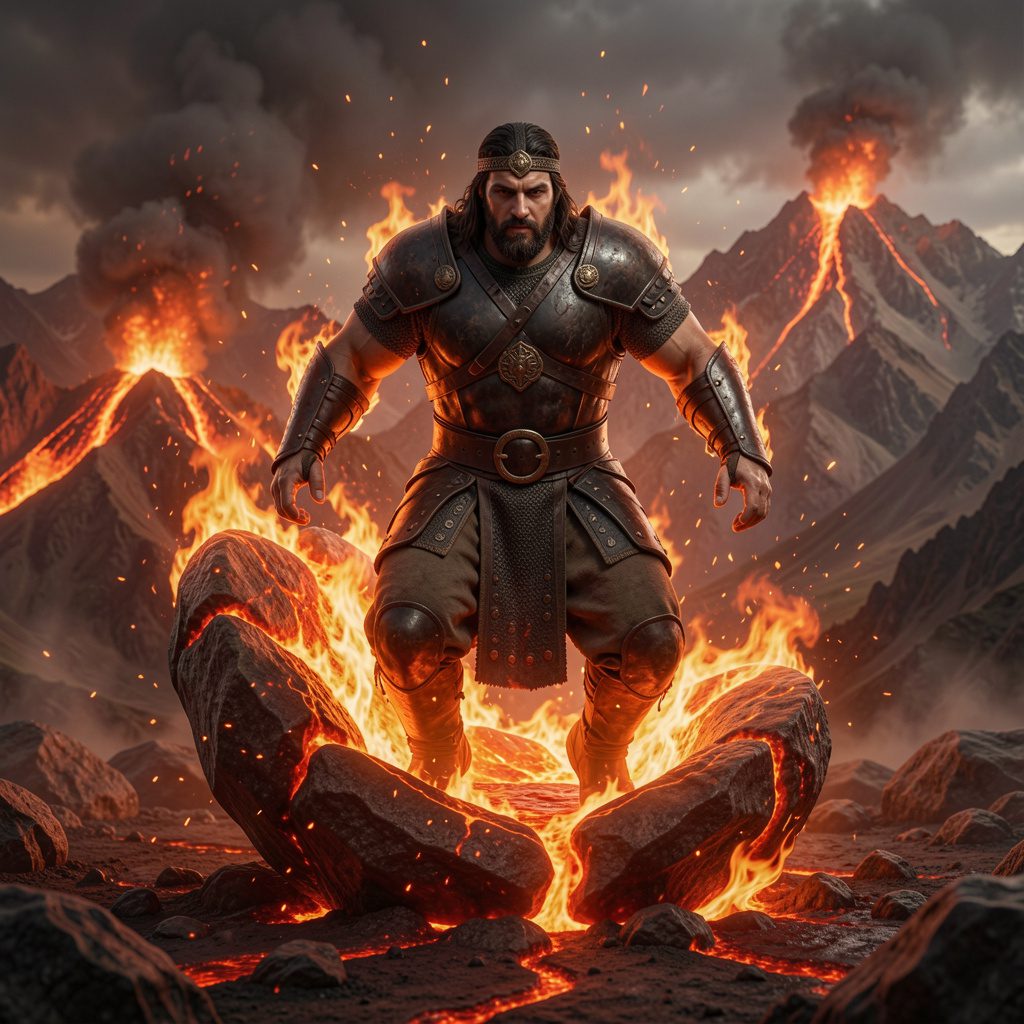
His birth story is one of the most unusual in the entire Nart tradition. According to Circassian legends, Sosruko is born from a stone that grows for nine months before splitting open. This miraculous origin immediately sets him apart from other heroes and links him to elemental forces such as earth and fire.
The divine smith Tlepsh also plays an important role in Sosruko’s upbringing. After the hero emerges from the stone, Tlepsh tempers his body using fire and water in a process similar to forging metal. This ritual transforms Sosruko into a near-invulnerable warrior with a body described as being as strong as iron.
In some versions of the saga, Sosruko later marries Tlepsh’s daughter, strengthening the connection between the hero and the mythic blacksmith. Through these relationships, Sosruko becomes deeply integrated into the Nart community while still maintaining his unique and mysterious origins.
Other names
Sosruko appears under different names throughout the Caucasus, reflecting the wide geographical spread of the Nart sagas. In Circassian and Adyghe traditions he is most commonly known as Sosruko or Sosriqwe. The Abkhaz and Ubykh versions of the epic refer to him as Sawsərəqʷa, while in the Ossetian tradition he is called Soslan.
These variations illustrate how the same legendary hero evolved across different cultures while preserving core elements of his story. Linguists often interpret the name Soslan or Sosruko as being connected to words meaning “granite” or “menacing,” emphasizing the hero’s resilience and intimidating presence. Despite the linguistic differences, the character remains fundamentally the same: a clever warrior whose actions shape the destiny of the Narts.
Powers and Abilities
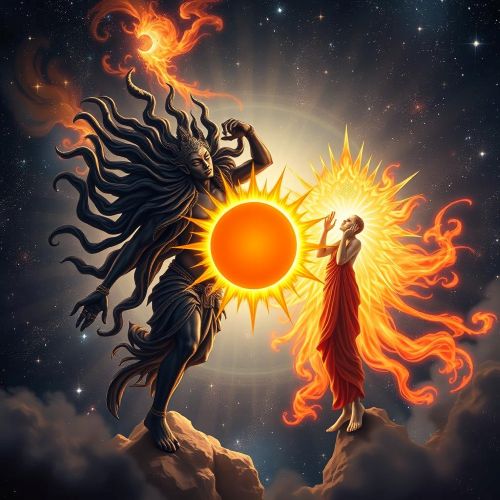
Sosruko’s powers combine supernatural strength with extraordinary intelligence. His body is often described as resistant to extreme heat and cold. One of his most famous mythological achievements is bringing fire to the Narts. In several stories, fire is controlled by giants or supernatural beings who refuse to share it with humans. Sosruko steals the flame and delivers it to his people, allowing them to survive harsh winters and advance their civilization. This act parallels similar myths from other cultures. Like Prometheus in Greek tradition, Sosruko becomes a symbol of knowledge and progress.
Beyond his association with fire, Sosruko is also linked to elemental magic. He can summon fog during battles, create frost to immobilize enemies, and manipulate natural forces to gain an advantage. These abilities reflect the ancient belief that heroic figures could control aspects of the environment.
However, his greatest weapon is his cunning mind. Sosruko frequently defeats enemies far stronger than himself by using clever strategies and deception. His trickster qualities allow him to outwit giants, monsters, and rival warriors. Through intelligence and creativity, he consistently turns impossible situations into victories.
Modern Day Influence
Although the Nart sagas originate from ancient oral traditions, their influence continues to shape cultural identity across the North Caucasus today. Sosruko remains one of the most celebrated heroes in Circassian folklore and is frequently referenced in literature, art, and cultural festivals.
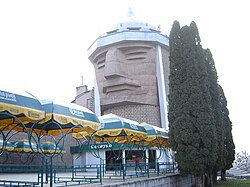
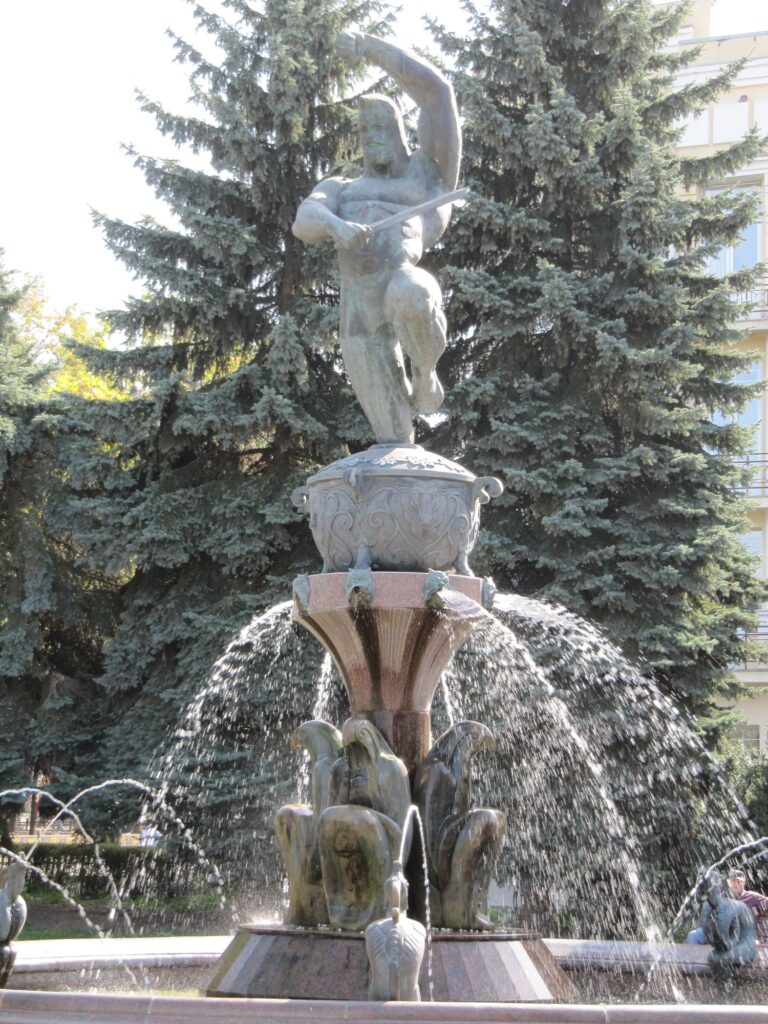
In regions such as Kabardino-Balkaria in Russia, monuments and landmarks inspired by the Nart heroes reflect the enduring popularity of these myths. The stories are still taught as part of cultural heritage, helping younger generations understand their historical traditions.
Scholars have also drawn comparisons between Sosruko and legendary heroes from other mythological traditions. His fire-bringing role resembles Prometheus in Greek mythology, while his cunning and trickster qualities echo figures like Loki from Norse stories.
Modern academic research continues to examine the Nart sagas as an important link between Indo-European mythological traditions and the unique folklore of the Caucasus. Through these studies, Sosruko has gained recognition beyond his regional origins and is increasingly viewed as a universal mythic archetype.
Related Images
Source
Colarusso, J. (2002). Nart sagas from the Caucasus: Myths and legends from the Circassians, Abazas, Abkhaz, and Ossetians. Princeton University Press. https://www.abebooks.com/9780691026473/Nart-Sagas-Caucasus-Myths-Legends-0691026475/plp
Dumezil, G. (1976). Romans de Scythie et d’alentour. Payot.
Inal, I. (2015). Solar hero and water dragon in the Armenian and Kabardian epics: Sanasar and Sosruko. Academia.edu.
https://www.academia.edu/10163929/Solar_hero_and_water_dragon_in_the_Armenian_and_Kabardian_epics_Sanasar_and_Sosruko
Kardangushev. (Various). Adyghe Nart epos collections.
Wikipedia contributors. (2026). Nart saga. Wikipedia, The Free Encyclopedia. https://en.wikipedia.org/wiki/Nart_saga
Borzlemanal. (2010). Sosruko (Circassian myth). Borzlemanal Blog. http://borzlemanal.blogspot.com/2010/03/sosruko-circassian-myth.html
Lebarty. (2024). Circassian mythology. Lebarty. https://lebarty.bongchong.com/circassian-mythology/
Gardanova, V. (2015). Mythopoetic basis of Sosruko character (by the Adyghe Nart epos). Research in Tourism and Hospitality Education, 2. https://geplat.com/rtep/index.php/tourism/article/download/397/375/727
Frequently Asked Questions
Who is Sosruko in mythology?
Sosruko is a legendary hero from the Nart sagas of Circassian and North Caucasian folklore. He is known for stealing fire, defeating giants, and using clever strategies to protect the Nart people.
What culture does Sosruko belong to?
Sosruko originates from Circassian mythology but appears in the folklore of several North Caucasus cultures including the Ossetians, Abkhaz, Abaza, and Karachay-Balkars.
Is Sosruko similar to Prometheus?
Yes, many scholars compare Sosruko to Prometheus because both heroes steal fire and bring it to humanity, symbolizing the arrival of knowledge and civilization.
Who are Sosruko’s parents?
His mother is the powerful matriarch Seteney (Satanaya). His father is not always clearly identified, and many versions of the myth describe him as being born from a magical stone.
What are Sosruko’s powers?
Sosruko possesses near-invulnerability, control over fire and frost, supernatural strength, and exceptional intelligence that allows him to defeat stronger opponents through cunning.
