Yoruba Mythology
Yoruba mythology encompasses the spiritual traditions, creation narratives, and sacred practices of the Yoruba people, whose ancestral homeland lies primarily in southwestern Nigeria and extends into neighbouring parts of Benin and Togo. Through stories preserved by generations of oral historians, religious practitioners, and diviners, Yoruba traditions explore the origins of the universe, the relationship between humanity and divine powers, and the responsibilities that shape human destiny. These beliefs have also travelled across the Atlantic through the African diaspora, influencing religious traditions in the Caribbean and the Americas. Although Yoruba communities share important cosmological concepts, their stories and religious practices vary across regions and lineages.
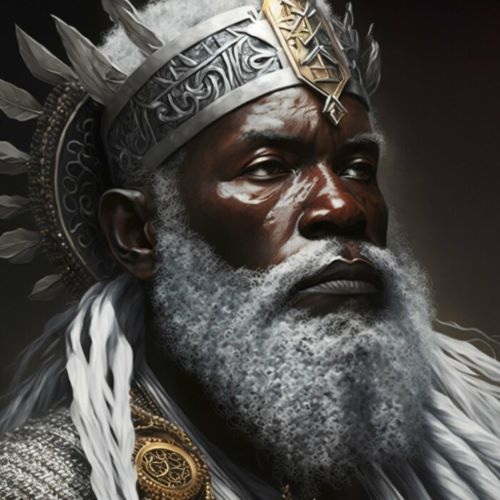
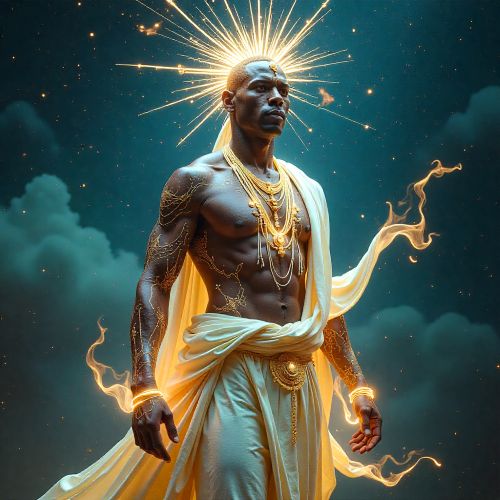
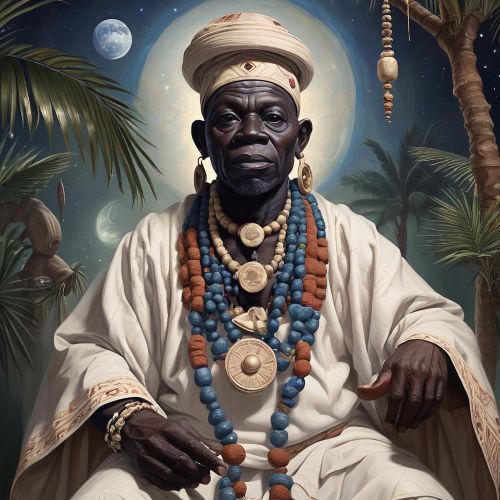
At the centre of Yoruba cosmology is Olodumare, also known as Olorun in certain contexts, the supreme source of existence and divine authority. The creation of the world involves the Orishas, powerful spiritual beings who participate in the ordering of existence and maintain relationships between the divine and human worlds. One prominent figure is Obatala, also called Orisha Nla in some traditions, who is associated with creation, purity, wisdom, and the formation of human beings. Accounts of how the earth was established vary, with some traditions emphasising Obatala’s role and others giving prominence to Oduduwa. These narratives should not be reduced to one universally accepted version, as different Yoruba communities preserve distinct explanations of creation and divine authority.
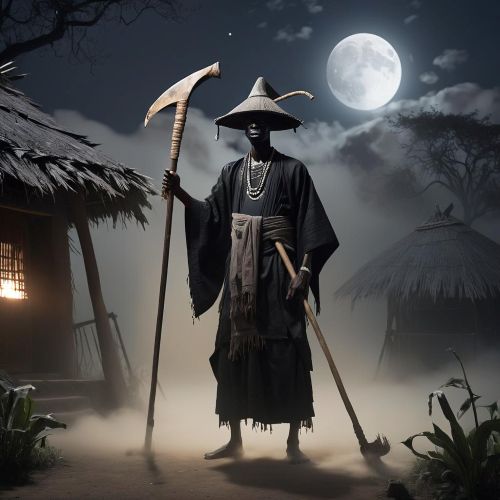
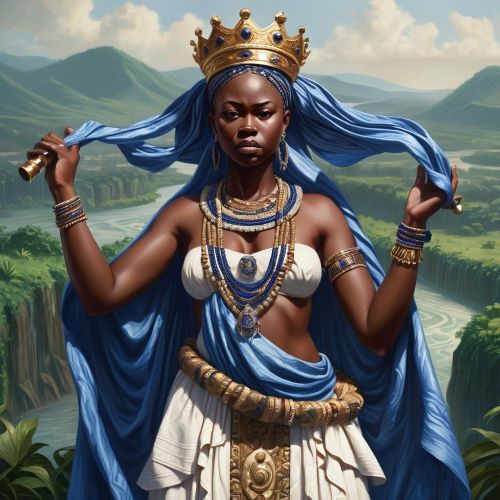
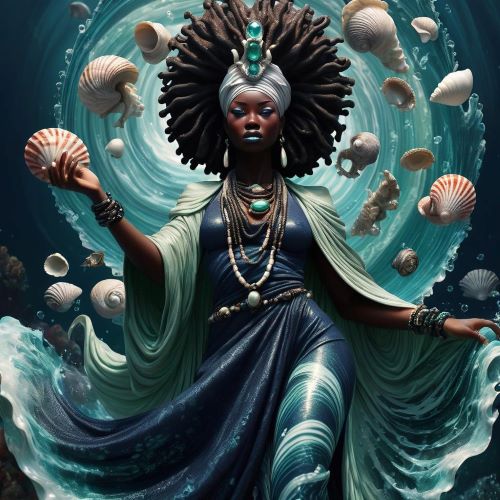
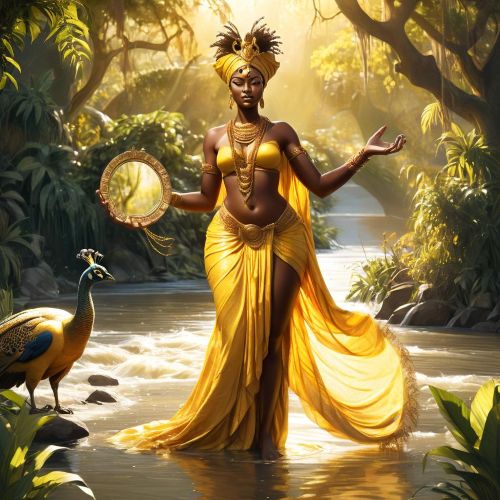
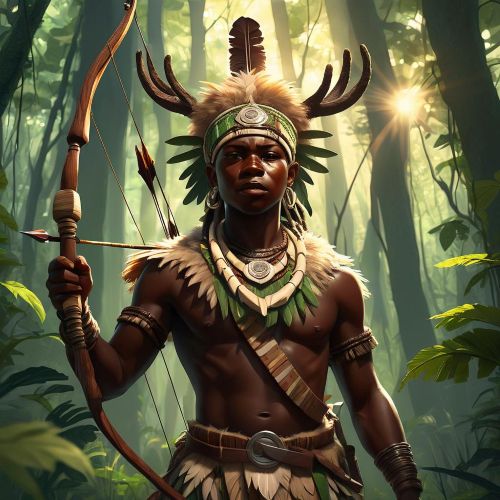
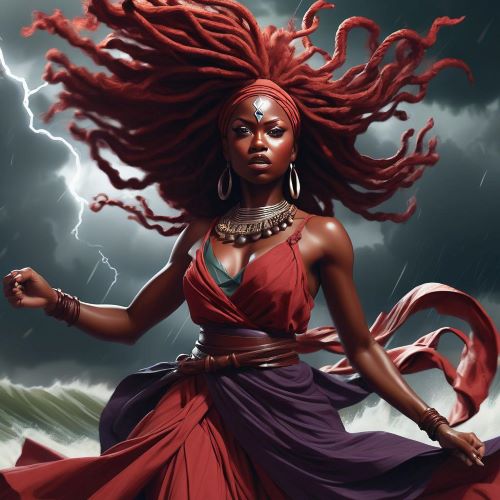
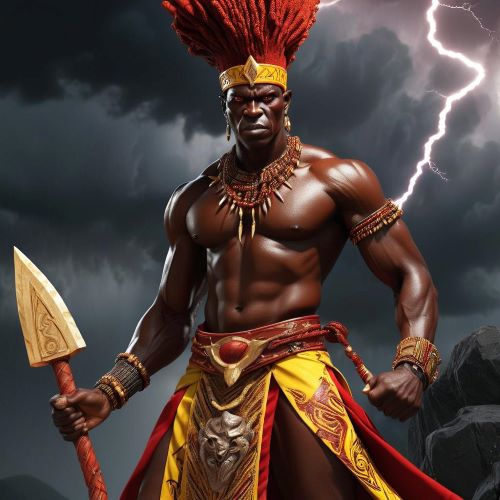
The Orishas occupy a central place in Yoruba religious life. They are not simply gods representing natural objects, but spiritual powers associated with particular responsibilities, attributes, and relationships with humanity. Shango, associated with thunder, lightning, and royal authority, represents power and the consequences of human conduct. Oya, connected with winds, storms, transformation, and the Niger River in some traditions, is associated with powerful forces of change. Ogun, linked with iron, metalworking, technology, and warfare, represents the tools and skills through which human beings transform their surroundings. Their stories explore courage, conflict, responsibility, and the consequences of choices, while their significance differs across communities and religious lineages.
Another essential dimension of Yoruba mythology is Orunmila, the Orisha associated with wisdom and Ifa divination. The Ifa system provides a framework for interpreting spiritual questions, understanding human circumstances, and seeking guidance about appropriate conduct. Diviners known as babalawo study an extensive body of verses and narratives through which teachings about destiny, morality, relationships, and the consequences of human actions are transmitted. Ifa is not merely a method of predicting the future; it is also a repository of cultural knowledge that preserves stories, ethical principles, and interpretations of the relationship between human beings and the spiritual world.
Yoruba traditions place considerable importance on ori, commonly understood as a person’s spiritual head and associated with individual destiny. A person’s ori influences how destiny is understood in relation to personal choices, spiritual responsibilities, and the guidance sought through religious practice. This concept illustrates a central concern of Yoruba thought: human life unfolds within a wider spiritual order, but individuals remain responsible for their conduct and decisions. The precise interpretation of ori varies across teachings and traditions.
Ancestors also contribute to Yoruba spiritual life. Through family observances, remembrance, and particular religious ceremonies, the living maintain relationships with earlier generations. Ancestors may be respected as sources of continuity, guidance, and family identity, although beliefs and practices differ between communities. Festivals, music, drumming, dance, and ritual performances provide additional ways of expressing devotion to the Orishas and preserving cultural memory. These practices connect spiritual belief with community life rather than separating mythology from everyday experience.
Yoruba religious traditions have continued to evolve through Islam, Christianity, migration, and the African diaspora. In Brazil, Cuba, and other parts of the Americas, Yoruba-derived traditions developed in distinct historical circumstances, including Candomblé and Lucumí, commonly associated with Santería. These religions preserve important Yoruba influences while incorporating their own histories, practices, and cultural relationships.
Yoruba mythology is best understood as a living and diverse spiritual heritage shaped by Olodumare, the Orishas, Ifa divination, and beliefs concerning human destiny. From creation narratives involving Obatala and Oduduwa to the teachings associated with Orunmila and the spiritual responsibilities represented by individual Orishas, these traditions offer profound perspectives on morality, community, and the relationship between humanity and the divine.