

Mulawin : The Winged Guardians of Philippine Fantasy
| Description | |
|---|---|
| Origin | Philippine Mythology |
| Language | Tagalog |
| Type | Reimagination |
| Seasons | 1 (166 episodes, 2004–2005) |
| Cast | Richard Gutierrez, Angel Locsin, Dennis Trillo, Ara Mina, Eddie Gutierrez, Bianca King |
| OTT Platform / TV Channel | GMA Network |
Mulawin
Introduction
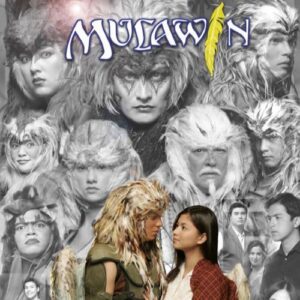
Mulawin premiered on GMA Network on August 2, 2004, and quickly became one of the most influential fantasy dramas in Philippine television history. Created by Don Michael Perez and Dode Cruz, the series starred Richard Gutierrez as Aguiluz, Angel Locsin as Alwina, and Dennis Trillo as Gabriel. Running for 166 episodes until March 18, 2005, the show helped popularize the “telefantasya” genre by blending mythology, romance, action, and environmental themes into a large-scale fantasy narrative.
The story introduced audiences to the Mulawin, a race of winged humanoids who once lived alongside humans and protected nature. Over time, humanity’s greed and destruction of the environment pushed them into isolation. From this divide emerged another faction known as the Ravena, darker winged beings consumed by anger and revenge. Through its mix of mythical storytelling and emotional drama, Mulawin became a defining cultural phenomenon in the Philippines. Its popularity later led to a feature film and the sequel series Mulawin vs. Ravena, further expanding its fantasy universe.
Plot
The narrative of Mulawin centers on the fragile balance between humanity, nature, and the supernatural world. Long before the events of the series, the Mulawin served as guardians of forests and mountains, helping humans maintain harmony with the natural world. However, as humans became increasingly destructive, the Mulawin withdrew from society and settled in secluded sanctuaries hidden deep within the mountains.
At the heart of the story is Aguiluz, a courageous Mulawin warrior chosen to protect Alwina, a young woman destined to become the “Sugo” or chosen envoy. Alwina’s identity is central to an ancient prophecy that could determine the fate of both humans and winged beings. As Aguiluz and Alwina journey together, their relationship evolves from distrust into deep affection, adding emotional depth to the larger conflict surrounding them.
The Ravena, former allies who turned hostile after years of resentment, seek domination over both humans and Mulawin. Their growing aggression threatens to plunge the world into chaos. Gabriel, a character caught between loyalty and identity, becomes one of the series’ most tragic figures as he struggles with his Ravena heritage and his connection to Alwina.
The series combines large-scale fantasy battles with intimate emotional moments. Themes of sacrifice, redemption, betrayal, and destiny constantly shape the decisions of its characters. Despite its supernatural setting, Mulawin remains deeply grounded in human emotions, which contributed greatly to its popularity among audiences.
Mythological Basis
Although Mulawin does not directly adapt one specific Philippine myth, the series draws heavily from indigenous folklore, animist traditions, and Southeast Asian mythological imagery. The concept of winged humanoids reflects the long-standing presence of bird-like spirits and supernatural messengers within regional oral traditions. Across many Philippine belief systems, birds are often viewed as symbols of prophecy, guardianship, or communication between worlds.
The show also incorporates themes deeply connected to pre-colonial animist beliefs. Nature is portrayed not merely as scenery but as a sacred force requiring balance and respect. This mirrors indigenous Philippine traditions in which mountains, forests, rivers, and trees are believed to house spiritual beings. The Mulawin themselves embody the idea of protectors of nature, reinforcing the series’ environmental message.
Mount Apo, which plays an important role in the lore of the series, has strong connections to real indigenous traditions from Mindanao. In Bagobo mythology, figures such as Mandarangan and Sandawa are associated with Mount Apo and spiritual power. While the series takes creative liberties with these mythological inspirations, it still reflects genuine cultural themes rooted in Philippine folklore.
The conflict between the Mulawin and the Ravena also echoes broader mythological concepts of cosmic duality. Similar to struggles between forces of order and destruction found in many traditions, the series frames its conflict as a battle over balance rather than simple good versus evil. Even antagonistic characters are given emotional motivations, making the mythology feel more layered and human.
Mulawin additionally shares thematic connections with Encantadia, another influential Philippine fantasy series. Both productions helped introduce mainstream audiences to fantasy worlds inspired by local folklore instead of relying solely on Western mythological influences.
Characters & Archetypes
The characters in Mulawin follow recognizable mythological archetypes while still maintaining emotional complexity. Aguiluz serves as the classic heroic protector. Brave, loyal, and deeply honorable, he represents the warrior chosen to defend both his people and the larger balance of the world. His journey is not only about combat but also about learning compassion and trust.
Alwina fulfills the archetype of the chosen one. As the prophesied Sugo, she bridges multiple worlds and identities. Her character embodies purity, destiny, and hope, yet she also struggles with uncertainty and emotional vulnerability. This combination makes her more relatable than a traditional flawless fantasy heroine.
Gabriel stands out as one of the series’ most tragic figures. Torn between his Ravena lineage and his emotional ties to others, he represents the archetype of the conflicted anti-hero. His internal struggles add moral ambiguity to the narrative and prevent the conflict from becoming overly simplistic.
Vultra, later known as Veronica, evolves beyond the role of a standard villain. Initially driven by power and vengeance, she gradually becomes a more layered maternal figure shaped by regret and emotional conflict. This transformation reflects the series’ tendency to humanize even its darker characters.
Dakila represents the wise elder archetype often found in mythological storytelling. As a leader and mentor figure, he provides guidance during moments of uncertainty and symbolizes wisdom rooted in tradition. Supporting characters like Aviona contribute emotional depth through themes of loyalty, sacrifice, and unrequited love.
These archetypes helped audiences connect with the story while also giving Mulawin a timeless mythic quality. The characters may exist in a fantasy world, but their emotional struggles remain deeply human.
Creative Liberties
One of the reasons Mulawin became so successful was its willingness to reinterpret folklore through the lens of modern fantasy television. Rather than directly adapting existing myths, the creators invented entirely new races such as the Mulawin and Ravena while borrowing symbolic ideas from Philippine traditions. This allowed the series to feel culturally familiar while still offering an original narrative.
The visual distinction between the Mulawin’s lighter wings and the Ravena’s darker appearance introduced a clearer moral contrast than what is typically found in traditional Philippine folklore. Indigenous myths often portray spirits and supernatural beings as morally complex rather than entirely good or evil. The series simplified some of these ideas to create stronger dramatic tension for television audiences.
Mulawin also embraced elements of romantic melodrama, which became one of its defining features. Relationships, family conflicts, betrayals, and emotional revelations were woven into the fantasy narrative in ways that resembled traditional soap operas. This blending of genres helped the show appeal to a broad audience beyond fantasy fans.
Another major creative liberty was the expansion of its mythology across sequels and crossovers. The release of Mulawin: The Movie and the later continuation Mulawin vs. Ravena allowed the franchise to build a larger interconnected fantasy universe. Connections to Encantadia further strengthened its place within Philippine fantasy television culture.
Beyond mythology, the series carried a strong environmental message. Themes of deforestation, greed, and humanity’s abuse of nature became central to the story’s moral framework. By combining folklore-inspired fantasy with ecological concerns, Mulawin transformed mythological storytelling into a reflection of modern social issues.
Even years after its original release, Mulawin remains one of the most recognizable fantasy series in Philippine television history. Its blend of folklore, romance, environmental themes, and mythic storytelling helped redefine local fantasy entertainment and introduced a new generation to narratives inspired by Philippine cultural traditions.