
Why YA Literature Keeps Returning to Ancient Myths
Young Adult (YA) Literature has become one of the most influential genres of the twenty-first century. Millions of teenagers and young adults eagerly await the release of fantasy adventures, dystopian epics, supernatural romances, and coming-of-age stories that transport them into extraordinary worlds. Although these novels often feel fresh and original, many of them are built upon storytelling traditions that are thousands of years old. Beneath the exciting plots and memorable characters lie ancient myths that have shaped human imagination since the earliest civilizations.
For students, recognizing these hidden mythological influences opens up an entirely new way of reading. Suddenly, a magical mentor resembles an ancient sage, a reluctant hero mirrors legendary warriors, and a seemingly original monster echoes creatures from forgotten folklore. Modern authors rarely copy myths directly. Instead, they reinvent them, weaving ancient themes into stories that feel relevant to today’s readers. Understanding these connections makes YA Literature richer, more meaningful, and far more enjoyable.
Why Mythology Continues to Inspire YA Literature
Every civilization has created myths to explain the mysteries of life, nature, and human existence. Ancient people used stories to answer questions about creation, destiny, courage, sacrifice, and the struggle between good and evil. While modern science has replaced many mythical explanations of the natural world, the emotional truths contained within these stories remain just as powerful as they were thousands of years ago.
This is why mythology continues to inspire YA Literature. Teenagers today face challenges that may look different from those of ancient heroes, but the emotions are remarkably similar. Feelings of uncertainty, discovering one’s identity, facing impossible choices, dealing with friendship and betrayal, and learning responsibility are universal experiences. Ancient myths explored these themes long before the first modern novel was written, making them an endless source of inspiration for contemporary writers.
The Hero’s Journey Never Gets Old
One of the strongest mythological foundations of YA Literature is the Hero’s Journey, a storytelling pattern identified by mythologist Joseph Campbell. Across cultures and centuries, heroes often begin as ordinary individuals before being called into extraordinary adventures. Along the way, they meet mentors, overcome terrifying obstacles, experience personal loss, and ultimately return transformed by their experiences.
Modern YA protagonists follow this same narrative path because it reflects real human growth. Characters like Harry Potter, Percy Jackson, Katniss Everdeen, and countless others start their stories uncertain of themselves. As they face increasingly difficult challenges, they discover strengths they never knew they possessed. Readers connect deeply with these journeys because adolescence itself is a period of transformation, making the Hero’s Journey just as relevant today as it was in ancient mythology.
Ancient Gods Hidden in Modern Characters
Many YA authors draw inspiration from mythological gods without making the connection obvious. Rather than placing <a class="wpil_keyword_link" href="https://mythlok.com/blogs/zeus-vs-odin-the-battle-between-power-and-wisdom/" title="Zeus vs Odin : The Battle Between Power and Wisdom” data-wpil-keyword-link=”linked” data-wpil-monitor-id=”43213″>Zeus, Odin, or Amaterasu directly into their stories, they often borrow the personalities, powers, and symbolic roles associated with these deities. A wise headmaster may embody the qualities of a god of wisdom, while a rebellious mentor might resemble an ancient trickster deity who teaches lessons through chaos rather than order.
This subtle borrowing allows authors to create characters that feel both familiar and original. Readers may not consciously recognize these influences, but they instinctively respond to the archetypes because they have appeared in stories across cultures for centuries. These mythological echoes give modern characters greater depth while keeping the stories accessible to readers who may know very little about ancient mythology.
Monsters Have Always Represented Human Fears
One of the most fascinating aspects of mythology is that its monsters rarely existed simply to frighten people. Instead, they symbolized fears, temptations, and challenges that every generation must confront. The Minotaur represented uncontrolled violence, Medusa reflected themes of fear and transformation, while dragons often guarded wisdom or treasure that could only be claimed through courage and perseverance.
Modern YA Literature continues this tradition by creating monsters that symbolize contemporary anxieties. Some represent bullying, loneliness, mental health struggles, environmental destruction, or oppressive governments. Even when these creatures appear as magical beasts or supernatural villains, they often reflect very real fears faced by young readers. This symbolic approach allows fantasy stories to explore difficult topics without becoming overly realistic or emotionally overwhelming.
Why Chosen One Stories Feel So Familiar
One of the most recognizable tropes in YA Literature is the “Chosen One.” Many popular novels feature an ordinary teenager who discovers that they possess a unique destiny capable of changing the world. Although this idea sometimes feels like a modern fantasy invention, it has deep mythological roots that stretch across civilizations.
Ancient myths are filled with heroes whose lives were shaped by prophecy. Whether it was Perseus, Krishna, King Arthur, or countless legendary figures from around the world, destiny often played a central role in their stories. What makes these myths enduring is that being chosen never guaranteed success. Heroes still struggled with self-doubt, fear, and failure. Modern YA Literature preserves this important lesson by reminding readers that destiny alone is never enough; courage, perseverance, and personal growth remain essential.
Friendship Has Become the New Superpower
Unlike many ancient myths that focused on individual heroes, modern YA Literature places enormous importance on teamwork and friendship. While legendary heroes certainly had allies, contemporary stories emphasize that no one succeeds alone. Friends provide emotional support, challenge harmful decisions, and contribute skills that the main character lacks.
This shift reflects modern values while still remaining connected to mythology. The Argonauts, the Knights of the Round Table, and the Pandavas all achieved greatness through cooperation rather than individual brilliance. Today’s YA novels continue this tradition by showing that trust, loyalty, and collaboration are often more powerful than magical abilities or extraordinary strength. For students navigating friendships and social challenges, these themes feel especially meaningful.
Building New Worlds from Ancient Beliefs
Fantasy authors frequently invent entirely new magical systems, yet many of these creations are inspired by ancient religious beliefs and folklore. Rituals, enchanted objects, sacred forests, guardian spirits, magical names, divine blessings, and ancestral wisdom all have their origins in myths that have been passed down through generations.
Rather than copying one specific mythology, modern writers often combine elements from several traditions to create unique fictional worlds. A fantasy kingdom may borrow its spiritual beliefs from Japanese folklore, its magical creatures from Celtic legends, and its heroic structure from Greek mythology. This blending of traditions creates fresh stories while paying tribute to the richness of global mythology.
The Rise of Mythologies Beyond Greece
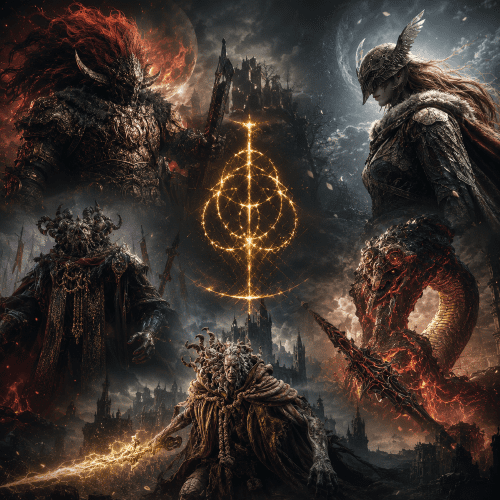
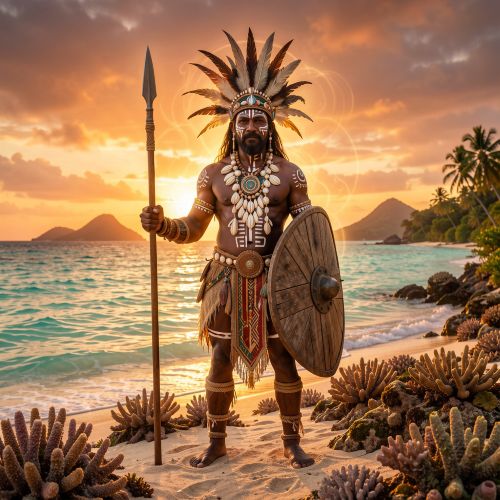
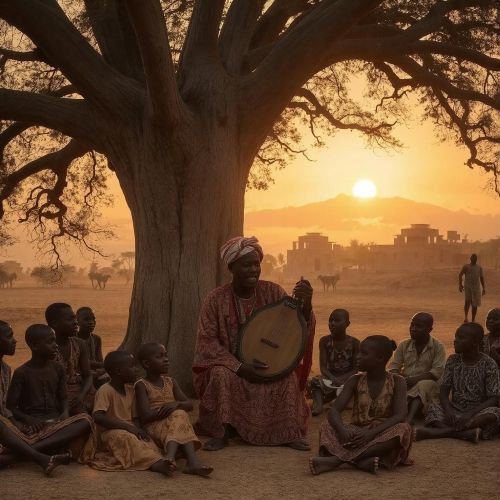
For decades, Greek mythology dominated modern fantasy literature, largely because it was widely taught in Western education systems. However, YA Literature has undergone an exciting transformation in recent years as authors have begun exploring myths from many different cultures. Readers are now discovering stories inspired by African legends, Philippine folklore, Japanese yokai, Korean spirits, Chinese immortals, Hindu epics, Norse sagas, and Indigenous traditions from around the world.
This growing diversity has expanded the possibilities of fantasy storytelling. Instead of encountering the same gods and monsters repeatedly, readers are introduced to entirely new heroes, magical creatures, and cultural perspectives. For students, this creates an opportunity to appreciate mythology as a global human tradition rather than something confined to a handful of ancient civilizations.
Why Students Should Read Mythology Alongside YA Literature
Reading mythology alongside YA Literature helps students develop stronger analytical skills while making literature classes far more engaging. As they begin recognizing recurring symbols, archetypes, and narrative patterns, they discover that stories separated by thousands of years often ask the same fundamental questions about human nature. This deeper understanding allows students to appreciate not only individual novels but also the long history of storytelling itself.
Studying mythology also encourages cultural awareness. Every civilization has produced stories that reflect its values, fears, hopes, and beliefs. Comparing these myths with modern YA novels reveals how authors adapt ancient ideas to address contemporary issues such as identity, diversity, environmental responsibility, and social justice. Instead of viewing myths as outdated tales, students begin to see them as living traditions that continue to influence books, films, games, and popular culture.
Why Ancient Stories Still Matter
The lasting popularity of YA Literature demonstrates that readers continue to seek stories about courage, identity, friendship, sacrifice, and hope. These themes resonate because they reflect experiences shared by every generation. Ancient myths explored them through gods and legendary heroes, while modern authors present them through teenagers discovering their place in extraordinary worlds. Although the settings have changed dramatically, the emotional journeys remain remarkably familiar.
Every generation tells old stories in new ways. That is why mythology has never truly disappeared. It has simply evolved alongside humanity, finding new life in bestselling novels that introduce timeless ideas to modern readers. The next time you open a YA novel, look beyond the surface. Hidden within its pages may be echoes of legends told around ancient fires, whispered in forgotten temples, or sung by storytellers thousands of years ago. At Mythlok, we believe that uncovering these hidden connections not only enriches our understanding of literature but also reminds us that great stories are immortal—they simply find new voices with every generation.
No posts were found.