

10 Hantu Legends from Indonesia That Still Frighten Locals Today
Across the islands of Indonesia, stories of the unseen world are woven into daily life. The word Hantu broadly refers to spirits, ghosts, or supernatural beings in Indonesian folklore. Some are the restless dead. Others are ancient forest entities. A few are protectors, while many are feared as dangerous tricksters or predators of the night.
From Java to Sumatra and Bali to Kalimantan, belief in Hantu reflects Indonesia’s layered spiritual history—animism, Hindu-Buddhist traditions, and later Islamic influences. These spirits appear in oral legends, village rituals, urban ghost stories, and even modern horror films.
Here are ten of the most well-known Hantu that continue to haunt Indonesian cultural imagination.
1. Kuntilanak – The Weeping Woman of the Night
Among all Hantu, Kuntilanak is perhaps the most infamous. Often described as the spirit of a woman who died during pregnancy or childbirth, she appears as a pale woman in a flowing white dress with long black hair. Her soft laughter or crying is said to echo in the night. Folklore warns that if the sound feels distant, she is actually near. Kuntilanak is believed to prey on men and children, making her one of the most feared female Hantu in Indonesia.
2. Pocong – The Bound Spirit
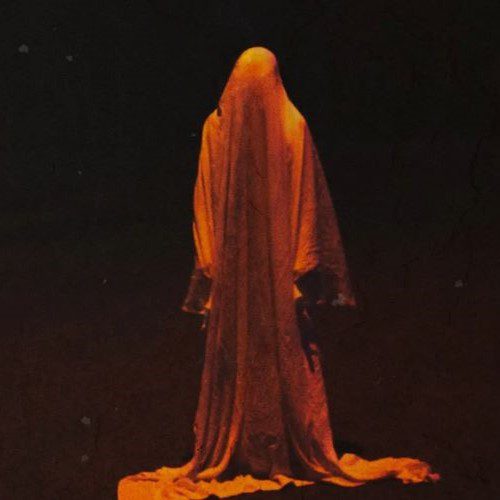
Pocong represents a soul trapped in its burial shroud. In Islamic burial rites practiced in Indonesia, the deceased is wrapped in white cloth tied at the head and feet. According to legend, if the ties are not properly untied after burial, the spirit may return as a hopping ghost. Unlike Kuntilanak, Pocong is not always malicious, but its sudden appearance is enough to terrify anyone who encounters it.
3. Palasik – The Detached Predator
Originating in West Sumatra among the Minangkabau people, Palasik is a horrifying Hantu said to detach its head and internal organs to fly through the night. This spirit feeds on the blood of newborns and pregnant women. The legend serves both as a supernatural warning and as cultural protection for vulnerable mothers and infants.
4. Genderuwo – The Shadow of the Forest
Genderuwo is a large, hairy forest-dwelling Hantu from Javanese folklore. It is often portrayed as muscular and ape-like, living in trees and abandoned places. While sometimes mischievous, Genderuwo can also be aggressive. In some stories, it can shapeshift or impersonate humans, blurring the line between spirit and physical being.
5. Tuyul – The Child Thief
Tuyul is a small child-like Hantu believed to be summoned through dark rituals to steal money. Often depicted as bald with large eyes, Tuyul is associated with greed and supernatural wealth. Those who allegedly keep a Tuyul must offer it care and offerings. The legend reflects social anxieties about sudden unexplained prosperity.
6. Leak – The Sorcerous Terror
In Balinese tradition, Leak refers to a practitioner of dark magic who can transform into monstrous forms. Often depicted as a floating head with entrails, Leak hunts at night seeking blood. The figure is closely linked to Balinese ritual theatre and spiritual cosmology, where the battle between good and evil is dramatized through dance and ceremony.
7. Orang Bunian – The Hidden People
Unlike the more frightening Hantu, Orang Bunian are invisible beings believed to inhabit forests and mountains. They resemble humans but live in a parallel dimension. Some stories describe them as helpful; others warn that they may abduct people into their hidden realm. These spirits reflect Indonesia’s deep respect for nature and sacred landscapes.
8. Wewe Gombel – The Guardian or Kidnapper?
Wewe Gombel is said to abduct neglected children. However, unlike other Hantu, she does not harm them. Instead, she keeps them safe until their parents repent. This spirit functions as both a warning and moral lesson, emphasizing family responsibility.
9. Sundel Bolong – The Hollow-Backed Spirit
Sundel Bolong is another female Hantu linked to tragic death. She appears beautiful from the front but has a gaping hole in her back. Her legend warns against exploitation and injustice, especially toward women, reflecting deeper social commentary within Indonesian folklore.
10. Jenglot – The Mystical Artifact
Jenglot is not quite a ghost but a tiny humanoid creature believed to possess supernatural power. Some claim it feeds on blood and brings fortune or misfortune depending on how it is treated. Whether considered a Hantu or mystical relic, Jenglot remains part of Indonesia’s living supernatural traditions.
Why Hantu Still Matter Today
Belief in Hantu continues to shape Indonesian horror cinema, literature, and urban legend. Films featuring Kuntilanak or Pocong regularly draw large audiences. Rural communities still perform rituals to ward off spirits, blending Islamic prayers with older animist practices.
The idea of Hantu reflects more than fear. These spirits embody social anxieties, moral teachings, environmental respect, and unresolved grief. They are cultural mirrors—revealing what communities value and what they fear losing. In a rapidly modernizing Indonesia, Hantu remain deeply rooted in collective memory. They walk between tradition and technology, ancient belief and modern storytelling.
And perhaps that is why the word Hantu still sends a chill down the spine.

No posts were found.