

Kanuri Mythology
Steeped in ancient traditions and echoing with whispers of a bygone era, Kanuri mythology offers a captivating glimpse into the soul of the Kanuri people, inhabiting regions of Chad, Niger, Nigeria, and Libya. This rich tapestry of myths and legends, passed down through generations through oral storytelling, is intricately linked to the Kanuri people’s history, religious beliefs, and social fabric.
Central to Kanuri identity is the figure of the Mai, the historical title for the Kanuri Sultan or King. While often mistakenly identified as a deity in westernized summaries, the Mai was a divinely sanctioned sovereign who served as the protector of the faith and the state. Following the empire’s early conversion to Islam, the supreme creator was recognized through monotheistic worship, though traditional beliefs in nature spirits persist. These spirits, known regionally as Iskoki or Djinn, are viewed as invisible forces residing in the environment that can influence human affairs, requiring specific cultural knowledge to navigate their favor.
Kanuri myths are replete with tales of heroes and demi-gods who embody the ideals of courage, strength, and leadership. One such prominent figure is Kisira, a legendary warrior said to possess superhuman abilities. Stories recount Kisira’s battles against monstrous creatures and his role in uniting the Kanuri people. Another important figure is Ngurma, a powerful king believed to have ruled during a golden age of peace and prosperity. These heroes serve as role models, inspiring the Kanuri people to strive for greatness and uphold their traditions.
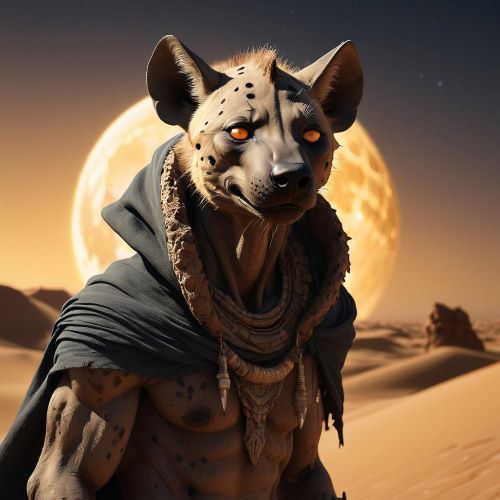
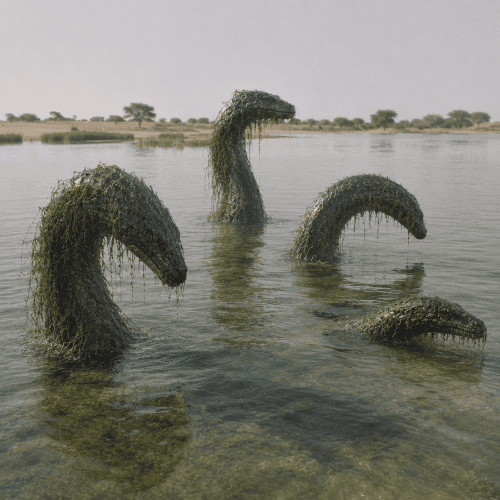
The fantastical creatures that populate Kanuri mythology add another layer of intrigue to this rich tradition. The Kolomane, monstrous serpent-like beings said to dwell in rivers and lakes, are a recurring theme in Kanuri folklore. These creatures are often portrayed as malevolent, guarding hidden treasures and preying on unsuspecting travelers. In contrast, the Karewa, benevolent spirits residing in caves and mountains, are seen as protectors, offering guidance and assistance to those who deserve it. The Kanuri mythical bestiary also includes the Ahalak, invisible creatures said to bring misfortune, and the Hyena people, shape-shifting beings who prey on humans.
In conclusion, Kanuri mythology serves as a window into the cultural identity and belief systems of the Kanuri people. From the tales of deities and spirits to the exploits of legendary heroes and fearsome creatures, these myths offer a captivating exploration of a world where the extraordinary blends seamlessly with the everyday. Delve into the enchanting realm of Kanuri mythology and discover a rich tapestry of stories that continue to enthrall generations.