

What Bulul Figurines Reveal About Life, Ritual, and Survival
Introduction
In the mist-covered highlands of the Cordillera Mountains, where terraced rice fields carve patterns into the earth, the Bulul figurines stand as silent yet powerful guardians. Deeply rooted in the traditions of the Ifugao people, these wooden figures are far more than decorative artifacts. They are vessels of spiritual energy, embodiments of ancestral presence, and protectors of sustenance itself.
Bulul Figurines represent a fascinating intersection of spirituality, agriculture, and artistry. They are not simply carved; they are brought to life through ritual, belief, and generational continuity. Exploring them offers a glimpse into a worldview where survival, reverence, and symbolism are inseparable.
Origins of Bulul Figurines
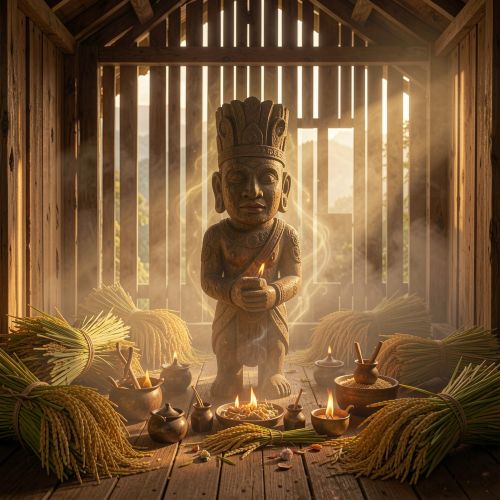
The origin of Bulul Figurines is deeply tied to the agricultural rhythms of the Ifugao people. Rice, in this culture, is not merely a crop—it is sacred. It sustains life, symbolizes wealth, and connects the community to divine forces. To protect this vital resource, Bulul figures were created as spiritual guardians of rice granaries.
Traditionally carved from hardwood such as narra or ipil, these figurines were placed near or inside rice storage areas. Their role was both protective and symbolic, ensuring abundance and safeguarding against spoilage, theft, or spiritual imbalance.
However, their power does not lie in the carving alone. A Bulul becomes spiritually potent only after undergoing ritual consecration, often involving offerings, chants, and animal sacrifices. Without these rites, the figure is simply wood. With them, it becomes a living spiritual entity.
Physical Characteristics and Symbolism
Bulul Figurines are immediately recognizable by their distinct, minimalist form. Typically depicted as seated human figures, they often rest with arms crossed over their knees or hands placed calmly on their legs. Their expressions are serene, almost meditative, reflecting a sense of balance and watchfulness.
Despite their simplicity, every aspect of the Bulul carries meaning. The posture signifies stability and guardianship. The symmetry reflects harmony. The stillness suggests vigilance that never sleeps.
Over time, many Bulul figures develop a dark, polished patina. This is not merely age—it is the result of repeated ritual offerings, including rice wine, animal blood, and oils. This layered surface becomes a visual record of devotion, turning each figurine into a living archive of spiritual practice.
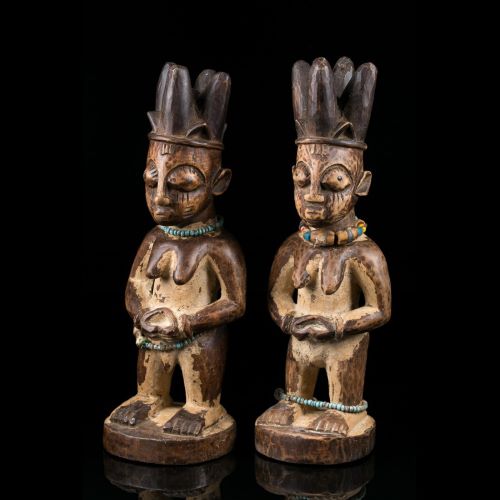
Interestingly, Bulul figures are often created in pairs—male and female. This duality represents balance, fertility, and the continuity of life. It mirrors the agricultural cycle itself, where growth depends on harmony between forces.
Spiritual Role and Ritual Significance
The true essence of Bulul Figurines lies in their spiritual function. They are not passive objects but active participants in rituals that govern the agricultural and social life of the Ifugao. Before planting and harvesting seasons, rituals are conducted to invoke blessings for a successful crop. Bulul figures are central to these ceremonies, acting as intermediaries between the human and spiritual realms. They are believed to house or attract ancestral spirits, who in turn ensure the prosperity of the community.
These rituals often include offerings of rice wine and sacrificial animals, particularly pigs or chickens. The act of offering is not transactional but relational—it reinforces the bond between humans, ancestors, and the natural world.
Through this lens, Bulul Figurines embody a profound idea: that survival is not just physical but spiritual. Crops grow not only through labor but through respect, ritual, and connection.
Cultural Evolution and Modern Interpretations
In today’s world, Bulul Figurines have transcended their original context. They are now found in museums, galleries, and private collections across the globe. While many are admired for their aesthetic simplicity and craftsmanship, their deeper meaning is often overlooked.
Modern reproductions of Bulul figures are widely sold as decorative items or souvenirs. These versions, however, lack the ritual consecration that defines traditional Bulul. Without the accompanying spiritual practices, they exist as cultural echoes rather than active symbols.
At the same time, there is a growing movement to preserve and respect the original significance of Bulul Figurines. Scholars, collectors, and cultural advocates emphasize the importance of understanding these objects within their proper context—not just as art, but as living heritage.
For the Ifugao people, Bulul figures remain a vital part of cultural identity. They serve as reminders of ancestral wisdom and the enduring relationship between humans and the land.
Why Bulul Figurines Still Matter
In an age driven by speed and consumption, Bulul Figurines offer a powerful contrast. They represent patience, continuity, and reverence for the unseen forces that sustain life. They remind us that food is not just a commodity but a sacred gift. That tradition is not a relic but a living practice. And that art, at its deepest level, is inseparable from belief.
For those exploring global cultural narratives, Bulul Figurines stand as a testament to how communities encode their values into objects. They are not merely carved figures—they are stories, guardians, and connections to a worldview where every harvest is a blessing and every offering is a conversation with the divine.



No posts were found.