
Kubo and the Two Strings (2016) : Japanese Folklore of Memory and Spirits
| Description | |
|---|---|
| Country of Origin | United States of America |
| Language | English |
| Genre | Animated |
| Cast | Charlize Theron, Art Parkinson, Ralph Fiennes, Rooney Mara, George Takei, Matthew McConaughey |
| Directed by | Travis Knight |
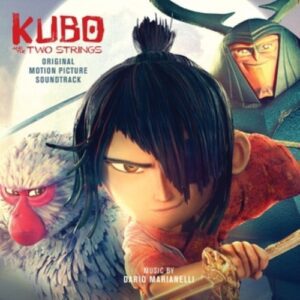
Kubo and the Two Strings
Kubo and the Two Strings is one of the most visually striking animated films of the modern era, but its deeper power lies in how it uses mythic storytelling. Released in 2016 by Laika, the film blends Japanese folklore aesthetics with universal mythic themes about memory, ancestors, courage, and the power of storytelling. At its heart, Kubo is not simply a fantasy adventure. It is a story about how myths are created, remembered, and passed down through generations.
The story follows Kubo, a young boy who survives by telling magical stories in a small coastal village. Armed with a shamisen whose music brings paper figures to life, Kubo retells heroic tales of the legendary samurai Hanzo. This narrative device immediately places the film within the ancient tradition of oral mythmaking. Across cultures, from Greek bards to Indian kathakars, storytellers have preserved cultural memory through epic tales. Kubo performs the same function. His stories transform history into legend, suggesting that myths are not static relics but living narratives shaped by those who remember them.
What makes Kubo particularly compelling is how the film treats memory as a sacred force. In many traditional belief systems, memory and ancestor worship are closely tied. The Japanese Obon festival, which honors ancestral spirits, echoes strongly in the film’s opening atmosphere. Lanterns floating across the water symbolize the connection between the living and the dead. Kubo’s journey is essentially a quest to reclaim the fragmented memory of his family, reinforcing the idea that identity itself is built from remembered stories.
The antagonists of the film, Kubo’s aunts and the Moon King, embody forces commonly found in mythic cosmologies. The Moon King represents cold perfection and emotional detachment. In mythic symbolism, the moon often represents distant authority or supernatural judgment. Here, the Moon King wants to remove Kubo’s humanity by taking his remaining eye, believing that immortality and perfection come from abandoning emotion. This is a powerful inversion of heroic mythology. Instead of seeking divine perfection, Kubo must embrace human imperfection.
The film’s magical artifacts further reinforce its mythological framework. Kubo must find three legendary items once belonging to his father: the Sword Unbreakable, the Breastplate Impenetrable, and the Helmet Invulnerable. These objects follow the classic structure of heroic quests found across global traditions. In Greek epics, heroes seek divine armor or weapons. In Indian epics, warriors acquire celestial astras. In Norse legends, enchanted items grant power to chosen heroes. Kubo’s quest mirrors this universal archetype of the hero gathering sacred relics to confront a powerful supernatural enemy.
Yet the film cleverly subverts expectations about these legendary objects. When Kubo finally acquires the armor and sword, they ultimately fail against the Moon King. The true weapon that defeats the villain is memory itself. The villagers share stories about Kubo’s grandfather, transforming the once terrifying Moon King into an ordinary old man through collective storytelling. This moment reveals the central mythic idea of the film: stories shape reality. The power of myth lies not in physical strength but in how communities remember and reinterpret the past.
The characters who accompany Kubo on his journey also reflect mythic archetypes. Monkey, who acts as Kubo’s fierce protector, represents the guardian spirit often seen in folklore. Beetle, the amnesiac warrior who assists them, resembles the wandering hero archetype found in many legends. Both characters also symbolize fragmented memory, reinforcing the film’s central theme. As their true identities are gradually revealed, the story shows that myths are often built upon forgotten truths.
Visually, Kubo draws heavily from Japanese artistic traditions while maintaining a universal mythic aesthetic. The landscapes, spirits, and creatures evoke the world of yokai and kami found in Japanese folklore. Giant skeleton guardians, enchanted forests, and ocean spirits all appear throughout the story. However, the film does not attempt to recreate specific folklore narratives. Instead, it builds an original myth that feels authentic because it uses recognizable symbolic elements.
The stop-motion animation itself contributes to the mythic atmosphere. Unlike glossy digital animation, the handcrafted style of the film gives the world a tactile, almost legendary quality. Each frame feels like an artifact from an ancient tale. The slow, deliberate movement of characters resembles the way myths unfold over generations, shaped by careful retelling rather than rapid spectacle.
What truly elevates Kubo is its philosophical core. Many heroic myths focus on defeating evil through strength or divine intervention. Kubo proposes a different message. The true legacy of heroes lies not in their victories but in how they are remembered. Kubo ultimately honors his parents not by becoming invincible, but by preserving their story.
This perspective aligns with mythic traditions across the world. Ancient cultures often believed that the dead lived on through stories and ritual remembrance. From ancestral shrines in East Asia to epic poetry in the Mediterranean, memory has always been the bridge between past and present. Kubo transforms this idea into the emotional center of its narrative.
Another remarkable aspect of the film is how it handles grief. Instead of presenting loss as something to overcome through revenge, the story encourages acceptance and remembrance. Kubo learns that pain and love are intertwined parts of being human. The Moon King’s inability to understand this emotional truth ultimately leads to his defeat.
The film’s ending reinforces its mythic tone. Rather than restoring the world through violence, Kubo reshapes reality through compassion and storytelling. The Moon King becomes a harmless old man surrounded by villagers who give him a new identity through their shared memories. In mythic terms, this represents transformation rather than destruction, a theme present in many spiritual traditions.
From a cinematic perspective, Kubo stands out because it respects the intelligence of its audience. The film does not explain every symbolic element directly. Instead, it trusts viewers to recognize the deeper meaning behind its imagery and themes. This approach mirrors the way traditional myths operate. They invite interpretation rather than delivering simple answers.
Ultimately, Kubo succeeds because it understands the true power of myth. Myths are not merely stories about gods or monsters. They are reflections of human values, fears, and hopes. By centering its narrative on memory and storytelling, the film captures the essence of why myths endure.
Kubo and the Two Strings is therefore more than an animated adventure. It is a meditation on how stories shape identity and preserve the past. Through Kubo’s journey, the film reminds viewers that every culture, every family, and every individual carries their own mythology within them.