

Central African Mythology
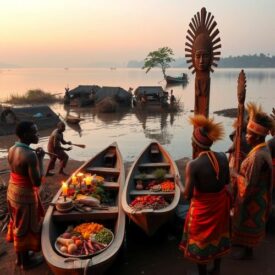
Central African mythology represents a rich tapestry of beliefs practiced by diverse ethnic groups across the vast Congo Basin and surrounding regions. These mythologies reflect a worldview deeply connected to nature, community, and spiritual balance. While each tribe maintains its own stories and sacred traditions, the unifying belief is that the seen world and the spirit world coexist, influencing every aspect of life.
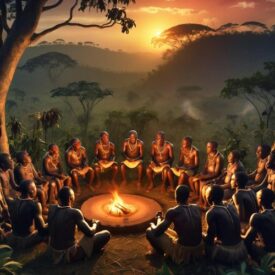
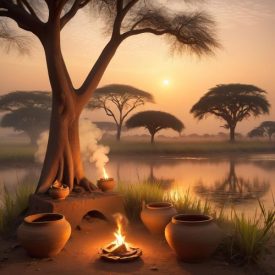
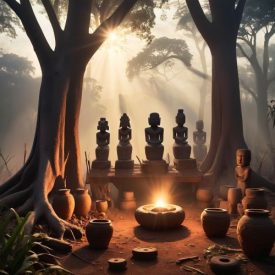
At the core of Central African belief systems are ancestral spirits, respected as protectors, guides, and mediators between humans and the divine. Families honor their ancestors through rituals, offerings, and storytelling, ensuring their presence remains strong within the community. Ancestral spirit communication plays a central role in decisions related to health, leadership, and justice.
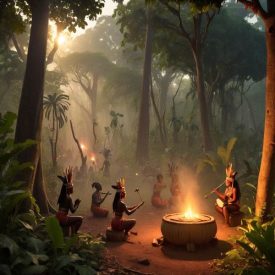
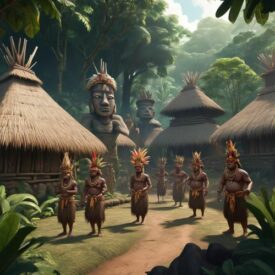
Nature is also considered a powerful spiritual force. Rivers, forests, mountains, and animals often serve as homes to deities and guardians. In many Central African cultures, the forest itself is sacred — not merely a resource, but a living entity inhabited by both benevolent and unpredictable spirits. These spirits protect the environment, and folklore teaches that disrespect toward nature can draw misfortune, illness, or loss. As a result, conservation is not just practical but a spiritual responsibility.
Among the most well-known mythic beings in the region are hero figures who bring order to the world. Deities like Bumba from the Bushongo creation myth are celebrated for shaping the planet and delivering culture, tools, and wisdom to humanity. Trickster characters, often represented by animals such as the clever hare or spider, challenge norms, test morality, and teach lessons through wit and chaos.
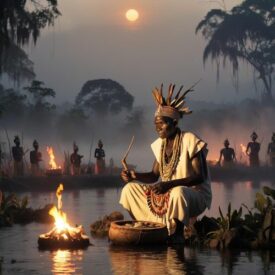
Healing and magic are also deeply ingrained in Central African mythology. Spiritual specialists — such as diviners, healers, and ritual leaders — are believed to possess knowledge granted by spirits. They maintain harmony by diagnosing spiritual imbalances and providing remedies rooted in ancient wisdom.
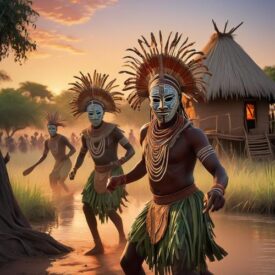
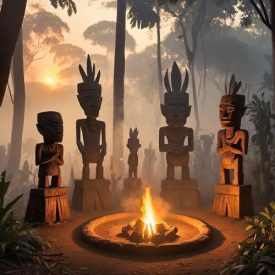
Despite modernization and the influence of global religions, Central African mythology continues to thrive. Oral storytelling, ceremonial dances, wooden masks, and carved totems ensure that ancestral knowledge and spiritual identity are preserved across generations. These myths remain a vital source of cultural pride and a reminder of humanity’s sacred connection to the natural world.