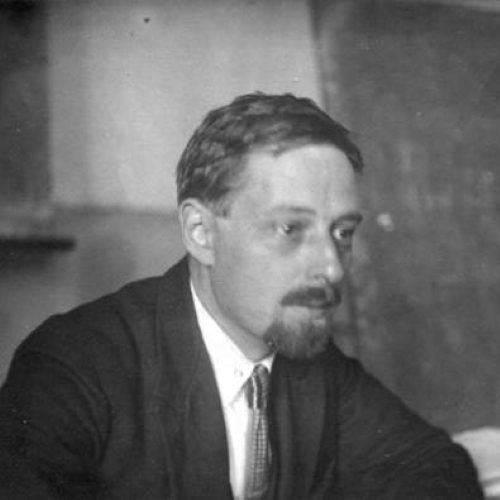


Joseph Campbell : Architect of Comparative Myth and the Hero’s Journey
Mythlok Perspective
In Mythlok’s perspective, Joseph Campbell transformed mythology from a regional study into a shared human map of meaning. His work framed myth as a psychological and spiritual process rather than a religious doctrine, revealing how stories guide individuals through fear, transformation, and self-understanding. By tracing common narrative patterns across cultures, Campbell argued that myths endure because they mirror inner human experience. This insight aligns with Indian epic cycles, Buddhist enlightenment narratives, and Indigenous initiation myths, all of which describe transformation through departure, trial, and return. Across cultures, Campbell positioned myth as a language of becoming rather than belief.
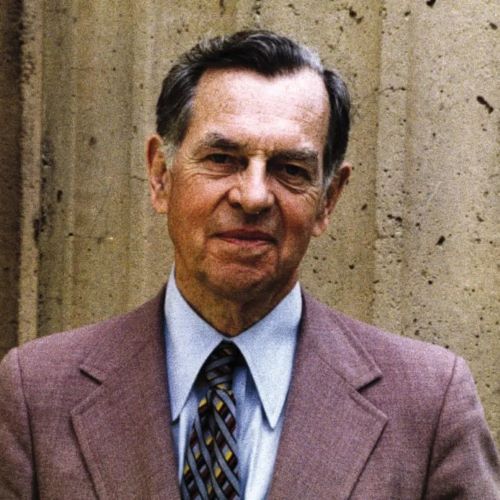
Joseph Campbell
Introduction
Joseph Campbell, an American professor, writer, and orator, is best known for his groundbreaking work in comparative mythology and religion. His exploration of universal themes across various mythologies has had a lasting impact on literature, film, psychology, and religious studies. Through his research, Campbell introduced the “monomyth” or “hero’s journey,” a framework that has shaped the study of narrative structure.
Area of Expertise
Joseph Campbell specialized in comparative mythology, analyzing the shared themes, archetypes, and structures across myths and religious narratives from different cultures. He believed these “mythic narratives” revealed profound insights into the human experience. A key concept he introduced is the “monomyth,” or “hero’s journey,” which outlines a universal pattern of a hero who embarks on a transformative journey, overcoming challenges and returning changed.
His work was shaped by the ideas of philosophical and psychological figures such as Sigmund Freud and Carl Jung, particularly their theories on the unconscious and archetypes. Campbell viewed myths not only as cultural artifacts but also as essential to psychological and spiritual life.
Campbell’s expertise spanned mythology and comparative religion, where he explored myths from diverse cultures to identify universal patterns. His interdisciplinary approach combined elements of literature, psychology, anthropology, and art, making his insights both scholarly and accessible to a wide audience.
Books & Publications
Joseph Campbell made significant contributions to the study of mythology through his numerous books and essays, many of which have become foundational texts. His most famous work, The Hero with a Thousand Faces (1949), introduced the concept of the monomyth, exploring the hero’s journey across cultures and influencing both literature and cinema, including George Lucas’ Star Wars saga.
Campbell’s The Masks of God series (1959-1968) spans four volumes, each delving into different aspects of mythology: Primitive Mythology, Oriental Mythology, Occidental Mythology & Creative Mythology.
In Myths to Live By (1972), Campbell examines the role of myths in modern life, while The Power of Myth (1988), co-authored with Bill Moyers, emerged from a television series and explores how myth shapes human consciousness. His legacy includes numerous essays, interviews, and lectures that continue to inspire the study of mythology.
Research & Contributions
Joseph Campbell’s contributions have left a profound mark on mythology, literature, and psychology. His identification of the hero’s journey has shaped the work of writers, filmmakers, and scholars, influencing not only storytelling but also disciplines such as psychotherapy, education, and creative writing. Campbell’s work underscored the transformative role of myths in personal and cultural development. His collaboration with Bill Moyers on the PBS series The Power of Myth expanded his ideas to a broad audience, inspiring individuals to delve into mythology’s rich world.
Campbell’s research focused on the universal principles underlying myths, particularly their power to reflect human transformation and cultural identity. His work revealed how myths address shared human experiences through recurring archetypes, symbols, and themes.
Key contributions include:
Archetype Theory: Campbell’s exploration of recurring mythological characters and themes highlighted the universal aspects of human experience across cultures.
Education and Lecturing: As a professor at Sarah Lawrence College, Campbell influenced generations of students and popularized mythology through his lectures.
The Joseph Campbell Foundation: Established after his death, the foundation continues his mission of promoting mythological studies, supporting his ethos of “following one’s bliss,” and hosting discussions on comparative mythology.
Awards & Recognitions
Joseph Campbell’s influence on mythology and literature was widely recognised during his lifetime through a series of notable honours that reflected both academic respect and cultural impact. In 1985, he received the National Arts Club Medal of Honor for Literature, acknowledging his significant contribution to literary thought and mythological interpretation. This award underscored the role his work played in bringing myth into modern intellectual and cultural conversations.
His standing in the humanities was further affirmed in 1989 with his induction into the American Academy of Arts and Letters, an honour reserved for individuals whose creative and scholarly achievements have left a lasting mark on American cultural life. Around the same period, Campbell was also recognised with the Erdman Award for Outstanding Contributions to the Humanities, highlighting his unique ability to bridge mythology with psychology, literature, and cultural studies.
Beyond academic circles, Campbell’s ideas had a profound influence on modern storytelling. Filmmaker George Lucas openly credited Campbell’s work as a major inspiration for the Star Wars saga, demonstrating how mythological structures identified by Campbell could shape contemporary popular culture and cinematic narratives.
In addition to these distinctions, Campbell received several honorary degrees and fellowships from respected educational institutions, reflecting the breadth of his influence across disciplines. His legacy continues through awards, scholarships, and organisations dedicated to the study of mythology, ensuring that his contributions remain central to both scholarly research and creative storytelling.
Social Media Profiles
Although Joseph Campbell did not have a social media presence during his lifetime, his work and legacy continue to resonate in the digital age. Discussions about his contributions are widespread across forums and social media platforms. The Joseph Campbell Foundation, founded by his widow Jean Erdman Campbell, plays a key role in preserving and promoting his ideas. The Foundation actively engages with a global audience, sharing insights, quotes, and discussions on mythology’s relevance to modern life.
Bibliographic Sources
“Joseph Campbell – Wikipedia.” Last modified November 5, 2001.
“About Joseph Campbell.” Joseph Campbell Foundation. January 1, 2016.
“Joseph Campbell: His Life and Contributions.” Last modified January 1, 2006.
“Books by Joseph Campbell (Author of The Power of Myth).” Goodreads. October 1, 2024.
“Joseph Campbell | Biography, Books, & Facts.” Encyclopedia Britannica. December 17, 2024.
“The Mythologist Joseph Campbell and his Comparative Myth Theories.” Last modified December 15, 2022.
Joseph Campbell Foundation: www.jcf.org



Frequently Asked Questions
Who was Joseph Campbell?
Joseph Campbell was an American mythologist and writer best known for his work in comparative mythology and narrative structure.
What is Joseph Campbell famous for?
He is most famous for The Hero with a Thousand Faces and for articulating the Hero’s Journey framework found in myths worldwide.
Did Joseph Campbell have a PhD?
No. Joseph Campbell did not hold a PhD, though he was a highly influential scholar and educator in mythology and literature.
What is the Hero’s Journey?
The Hero’s Journey is a narrative pattern describing departure, transformation, and return, identified by Campbell across global mythic traditions.
Why is Joseph Campbell still influential today?
His ideas continue to shape literature, psychology, film, and storytelling, influencing writers, educators, and popular culture worldwide.