

Obeah : The Lost African Spirit Tradition in the Caribbean
Obeah is one of the most intriguing and misunderstood spiritual traditions of the Caribbean. The keyword Obeah often evokes images of mystery, secrecy, and supernatural power, yet its true essence lies far deeper than popular portrayals suggest. It is not a single, unified religion but a fluid system of beliefs and practices rooted in African heritage and shaped by the historical realities of colonialism. For many communities, it represents a connection to ancestors, a source of healing, and a means of navigating both physical and spiritual challenges.
Emerging from the experiences of enslaved Africans in the Caribbean, Obeah became a way to preserve identity in a world that sought to erase it. It carries within it layers of history, resistance, and cultural memory. To understand it is to look beyond fear and stereotypes and recognize it as a living tradition that continues to evolve.
Origins of Obeah
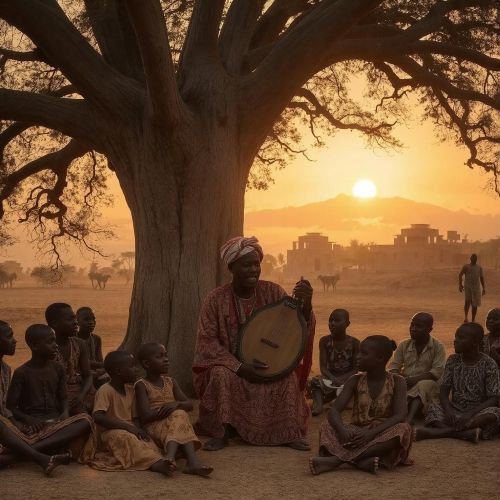
The origins of Obeah can be traced back to West and Central Africa, where diverse spiritual systems were practiced long before the transatlantic slave trade. Enslaved Africans brought these traditions with them to the Caribbean, where they were forced to adapt under oppressive conditions. Over time, elements from various cultures blended together, giving rise to what is now known as Obeah.
Unlike organized religions with defined texts and institutions, it developed as a decentralized practice. It relied on oral traditions, personal knowledge, and lived experience. This flexibility allowed it to survive despite attempts to suppress it. Colonial authorities often feared Obeah, seeing it as a threat to their control, which led to laws banning its practice in several regions.
Despite these restrictions, Obeah endured. It became a quiet yet powerful way for enslaved people to maintain a sense of identity and continuity. Its origins are therefore inseparable from themes of displacement, adaptation, and resilience.
Practices and Beliefs
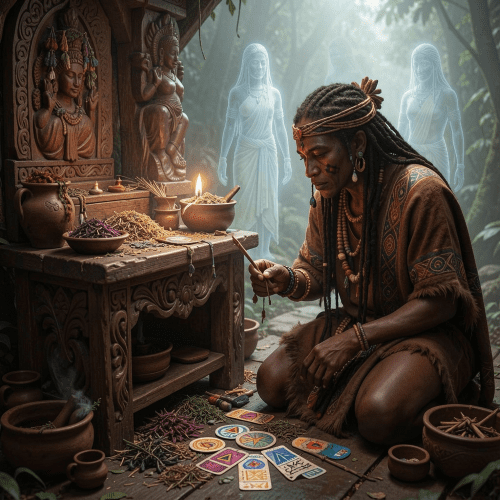
Obeah is practiced through individuals who are believed to have special knowledge of spiritual forces. These practitioners, often called Obeah men or women, serve as healers, guides, and protectors within their communities. They work with both the physical and spiritual aspects of life, addressing issues that range from illness to emotional distress.
The practices are diverse and can vary greatly depending on the practitioner and location. Common elements include the use of herbs, roots, and natural materials believed to hold spiritual significance. Rituals may involve prayers, invocations, or the preparation of charms designed to influence outcomes or provide protection.
A key aspect of Obeah is its focus on balance. Many practitioners aim to restore harmony between individuals and the unseen forces that surround them. While some interpretations emphasize its more mysterious or feared aspects, Obeah is often centered on healing and safeguarding. Its adaptability and lack of rigid structure allow it to respond to the unique needs of each situation.
Obeah and Resistance
Throughout history, Obeah has been closely linked to resistance against colonial oppression. Enslaved communities used it not only as a spiritual practice but also as a source of empowerment. It provided a sense of control and hope in circumstances where both were severely limited.
Colonial authorities viewed Obeah with suspicion and fear, often associating it with rebellion. This led to strict laws aimed at suppressing its use. However, these efforts only reinforced its importance among those who relied on it. It became a symbol of defiance, representing the refusal to abandon cultural identity.
Its role in resistance was not always overt. Sometimes, it functioned as a quiet form of psychological strength, helping individuals endure hardship and maintain a sense of purpose. In this way, Obeah was as much about resilience as it was about spirituality.
Modern Perspectives on Obeah
In modern times, Obeah continues to exist, though it is often surrounded by misunderstanding. Popular culture has frequently portrayed it as dark or dangerous, reinforcing stereotypes that date back to colonial narratives. These portrayals tend to overlook its cultural and historical significance.
There is, however, a growing effort to reframe how Obeah is understood. Scholars and cultural practitioners are increasingly recognizing it as an important part of Caribbean heritage. This shift reflects a broader movement to reclaim traditions that were once marginalized or misrepresented.
Today, Obeah can be seen as both a spiritual practice and a cultural symbol. It continues to influence art, literature, and identity across the Caribbean. Even for those who do not actively practice it, Obeah represents a connection to the past and a testament to the endurance of cultural traditions.
Conclusion
Obeah is not easily defined, and that is part of its strength. It exists at the intersection of spirituality, culture, and history, shaped by centuries of adaptation and survival. The keyword Obeah represents a tradition that has endured despite suppression and misunderstanding.
Rather than viewing it through the lens of fear or myth, it is more meaningful to see Obeah as a reflection of human resilience and creativity. It stands as a reminder that spiritual traditions are not static. They evolve, adapt, and persist, carrying the voices of those who came before.



No posts were found.