

Boogeyman : The Legend of the Shadow That Haunts Children
| Description | |
|---|---|
| Origin | United States of America |
| Classification | Humanoid |
| Demeanour | Evil |
| Habitat | Homes |
| Status | Not Proved |
Mythlok Perspective
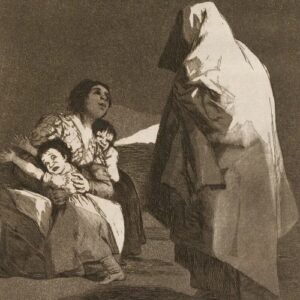
In Mythlok’s perspective, the Boogeyman represents fear without identity. Unlike structured demons or named spirits, he is pure abstraction shaped by imagination. His strength comes from ambiguity. He parallels figures like the Slavic Baba Yaga and the Japanese Namahage, both used to discipline children through fear. Across cultures, societies create shadow figures to externalize parental authority and moral instruction. The Boogeyman is less a monster and more a cultural mechanism for shaping behaviour.
Boogeyman
Introduction
The Boogeyman stands as one of the most enduring and universal figures of fear, especially in childhood imagination. Found in various cultures, this legendary character is typically invoked to discipline misbehaving children. While each society shapes the Boogeyman in its own image, the creature always embodies some form of dread or menace. Often used as a tool by adults to instill obedience, the Boogeyman transcends mere folklore, becoming a powerful symbol of the unknown and the terrifying possibilities that lurk just out of sight.
Physical Attributes
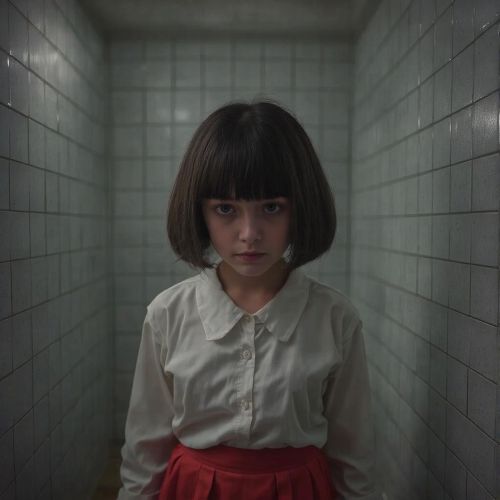
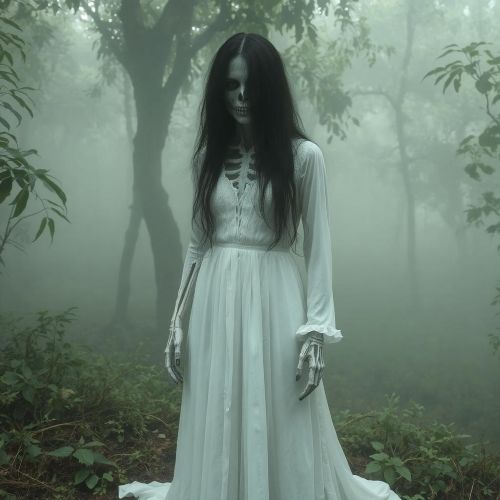
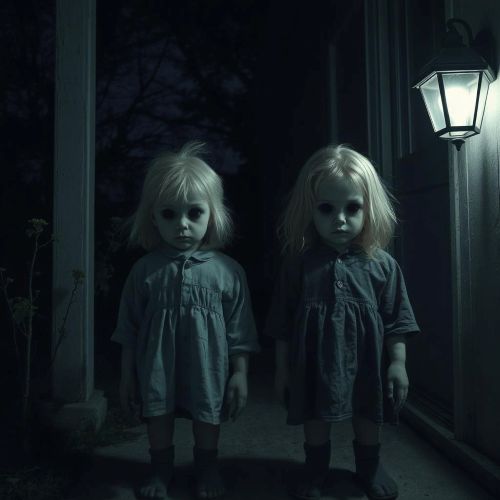
One of the defining characteristics of the Boogeyman is its lack of a consistent physical form. This shapeless quality adds to its potency—it becomes whatever the individual fears most. Sometimes imagined as a towering, shadowy figure with sharp claws and glowing eyes, other times as an insectoid monster or grotesque beast, its form is flexible and deeply personal. This ambiguity allows the Boogeyman to embody primal fears, whether it hides under the bed, peers from a dark closet, or whispers from unseen corners. Its formless nature is precisely what gives it such an enduring grip on the human psyche.
First Sighting/Reporting
The term “Boogeyman” likely originates from the Middle English word bugge, which referred to a frightening specter. As early as the 15th century, English literature made references to hobgoblins and bogey creatures, which served a similar purpose to the modern Boogeyman. These early mentions weren’t limited to fiction; they also found their way into nursery rhymes and traditional songs. While these early records give us the Westernized version, figures resembling the Boogeyman have existed for thousands of years across global oral traditions. Whether as mountain demons, swamp spirits, or vengeful phantoms, these stories reflect a collective attempt to rationalize danger through myth.
Other Names
The Boogeyman’s omnipresence across the globe has given rise to a wide variety of names and interpretations. In Spanish-speaking cultures, he appears as El Coco or El Cucuy, while in Italy, he is known as L’uomo nero. Germany has Der Schwarze Mann, a dark figure often associated with discipline. Slavic folklore offers Baba Yaga, an old witch who devours children, and in the Balkans, Buba plays a similar role. These regional variations serve the same core function: to frighten children into behaving. Although they differ in form and story, all versions preserve the theme of a mysterious entity waiting in the shadows for those who stray from expected behavior.
Modus Operandi
What makes the Boogeyman such a powerful figure is its ability to adapt its behavior to fit the fears and warnings of each culture. In many versions, it waits in the dark for disobedient children—ready to abduct them, drag them away in a sack, or simply haunt their dreams. Some tales make the Boogeyman a mute observer of sin, others a violent punisher. The exact form of retribution varies: from scary noises and scratches on the wall to full-blown kidnappings. Despite the diversity, its modus operandi always revolves around fear—particularly the fear of punishment, the dark, or being alone. It is a manifestation of anxiety, used to reinforce societal rules and boundaries.
Pop Culture References
The Boogeyman has made a significant leap from folklore to pop culture, particularly in the horror genre. Stephen King’s short story The Boogeyman (1973) and its 2023 film adaptation portray the creature as a physical and psychological threat. In John Carpenter’s Halloween, the character of Michael Myers is explicitly referred to as the Boogeyman, representing unstoppable evil. Children’s media also tackles the myth; Disney’s The Nightmare Before Christmas introduced Oogie Boogie, a villain based on the archetype. The wrestling world even created a persona named “The Boogeyman,” complete with shocking costumes and fearsome theatrics. These appearances reveal the versatility of the Boogeyman as a symbol—it can be sinister or campy, a metaphor or a literal monster.
Current Status


Source
Wikipedia contributors. (2003, November 14). Bogeyman – Wikipedia. Retrieved July 23, 2025, from https://en.wikipedia.org/wiki/Bogeyman
Hernandez, J. A. (2023, January 31). Bogeyman: Myth or More? | Into Horror History. Retrieved July 23, 2025, from https://www.jahernandez.com/posts/bogeyman-myth-or-more
Myth and Folklore Wiki contributors. (2006, January 1). Bogeyman | Myth and Folklore Wiki – Fandom. Retrieved July 23, 2025, from https://mythus.fandom.com/wiki/Bogeyman
Babbel. (n.d.). 15 Terrifying Boogeymen From Around The World. Retrieved July 23, 2025, from https://www.babbel.com/en/magazine/halloween-2014
Trap Door Escape Room. (n.d.). Bogeyman Urban Legends. Retrieved July 23, 2025, from https://www.trapdoorescape.com/bogeyman-urban-legends/
Mythos and Legends Wiki contributors. (2025, March 10). Boogeyman – Mythos and Legends Wiki – Fandom. Retrieved July 23, 2025, from https://mythos-and-legends.fandom.com/wiki/Boogeyman
LiveXP. (n.d.). Who is the Boogeyman Around the World?. Retrieved July 23, 2025, from https://livexp.com/blog/who-is-the-boogeyman-around-the-world
Wikipedia contributors. (n.d.). The Boogeyman (2023 film) – Wikipedia. Retrieved July 23, 2025, from https://en.wikipedia.org/wiki/The_Boogeyman_(2023_film)
Goodreads contributors. (n.d.). The Boogeyman Series by Richard Chizmar – Goodreads. Retrieved July 23, 2025, from https://www.goodreads.com/series/379176-the-boogeyman
Explore Strange. (2023, December 25). The Bogeyman: Unveiling the Origins and Cultural Impact. Retrieved July 23, 2025, from https://explorestrange.com/mythical-creatures/the-bogeyman-unveiling-the-origins-and-cultural-impact/
Frequently Asked Questions
What is the Boogeyman?
The Boogeyman is a folkloric figure used in many cultures to frighten children into good behaviour. He has no fixed form and is usually imagined as a shadowy presence.
Is the Boogeyman based on a real person?
No, the Boogeyman is not based on a specific historical individual. He is a symbolic figure found in global folklore traditions.
Why do parents use the Boogeyman story?
The legend serves as a behavioural tool, encouraging children to obey rules and avoid risky behaviour.
Does the Boogeyman appear in different cultures?
Yes. Variations exist worldwide under different names, including El Coco in Spanish-speaking cultures and similar child-warning spirits in Europe and Asia.
Why is the Boogeyman still popular today?
The figure persists because fear of the dark and unknown remains universal. Modern media continues to reinterpret the Boogeyman in horror storytelling.