


Nalusa Falaya : The Shadow Spirit of Choctaw Folklore
Listen
At a glance
| Description | |
|---|---|
| Origin | Choctaw Mythology |
| Classification | Spirits |
| Family Members | N/A |
| Region | United States of America |
| Associated With | Fear, Despair, Shadows, Deception, |
The Mythlok Perspective
In Mythlok’s Perspective, Nalusa Falaya represents a rare mythological archetype where fear itself becomes the antagonist. Rather than acting as a traditional monster, it reflects the destructive power of despair and moral confusion. Similar figures appear across cultures, such as the Japanese shadow spirits associated with darkness or the Slavic Leshy that misleads travelers in forests. These parallels suggest a universal human instinct to personify psychological fear through supernatural beings.
Nalusa Falaya
Introduction
Nalusa Falaya is one of the most unsettling figures in the traditional stories of the Choctaw people of the southeastern United States. The name Nalusa Falaya translates roughly to “Long Black Being,” a description that immediately captures the mysterious and frightening nature of this entity. Unlike heroic figures or divine creators, Nalusa Falaya belongs to a category of spirits associated with darkness, fear, and moral caution. In Choctaw oral traditions, this being inhabits forests, swamps, and shadowed places where humans may lose their way both physically and spiritually.
Stories about Nalusa Falaya were passed down for generations as warnings, especially for children and hunters who ventured into the wilderness. These tales emphasized the dangers of wandering alone, ignoring spiritual balance, or allowing fear and despair to control one’s mind. In this sense, Nalusa Falaya functions not only as a supernatural creature but also as a symbolic representation of emotional darkness.
The enduring power of the Nalusa Falaya legend lies in its psychological nature. Rather than attacking openly like a monstrous beast, the entity influences human thoughts and emotions. It embodies dread, confusion, and the unsettling feeling of being watched in the darkness. Through these narratives, Choctaw storytellers preserved cultural wisdom about the unseen forces that can affect human behavior and judgment.
Physical Traits
Descriptions of Nalusa Falaya vary slightly depending on the storyteller, but certain characteristics remain consistent across most accounts. The creature is typically depicted as a tall, thin humanoid figure with an elongated body and an eerie, shadow-like presence. Many stories describe it as having a dark or completely black form that blends seamlessly with the shadows of forests and swamps.
Some accounts portray Nalusa Falaya with a shriveled or gaunt face, small eyes, and long pointed ears. In other versions, the face is indistinct or completely absent, making the being appear more like a moving shadow than a physical creature. These ambiguous features contribute to its terrifying reputation, as witnesses are never fully certain what they have seen.
The movement of Nalusa Falaya is equally disturbing. Rather than walking normally, it is often said to glide silently through the darkness or slither across the ground in a manner resembling a snake. This unnatural motion allows it to approach victims quietly, often appearing suddenly from the shadows as dusk settles over the forest.
Because of its dark appearance and silent movements, Nalusa Falaya is strongly associated with twilight and night. Choctaw stories frequently place the creature in dense woods or swampy areas where shadows stretch across the ground. In such environments, the line between the natural world and the supernatural becomes blurred, making the presence of Nalusa Falaya feel both believable and terrifying.
Family
Unlike many figures in traditional mythic narratives, Nalusa Falaya does not belong to a well-defined divine lineage. Choctaw traditions generally describe it as a solitary supernatural being rather than a member of a larger family of gods or spirits.
However, some versions of the legend mention that Nalusa Falaya has offspring. These children are described in unusual and eerie terms. According to certain stories, they possess the ability to remove their internal organs at night, transforming themselves into small glowing lights that drift near marshes or swamp edges. These lights resemble mysterious natural phenomena such as will-o’-the-wisps.
These luminous forms are said to lure or confuse travelers who encounter them in the darkness. Because they appear harmless or even beautiful, they can draw people deeper into dangerous terrain. This detail reinforces the idea that deception and misdirection are central themes in the Nalusa Falaya tradition.
Beyond these unusual children, Choctaw narratives rarely describe additional relatives or connections to other mythic figures. The absence of a broader genealogy highlights Nalusa Falaya’s role as an isolated embodiment of fear rather than a structured deity within a pantheon.
Other names
The primary name used in Choctaw stories is Nalusa Falaya, which directly translates to “Long Black Being.” This name emphasizes the creature’s physical appearance and its association with darkness. Alternative spellings such as Na Lusa Falaya or Nalusa Falayah occasionally appear in written records, reflecting variations in transliteration from the Choctaw language into English. These differences arise because the stories were traditionally transmitted orally before being documented by anthropologists and folklorists.
Some modern retellings refer to the creature using descriptive titles such as “The Long Evil Being” or “The Shadow Man.” These labels attempt to capture the essence of the original Choctaw term while making the concept easier for contemporary audiences to understand. Although these alternative names exist, Nalusa Falaya remains the most accurate and culturally grounded term used in discussions of this Choctaw supernatural figure.
Powers and Abilities
The abilities attributed to Nalusa Falaya focus primarily on psychological influence rather than brute physical force. Choctaw stories portray the creature as feeding on despair, fear, and negative emotions. When individuals encounter Nalusa Falaya, they often experience overwhelming dread or confusion.
Hunters are particularly vulnerable to its influence. According to traditional accounts, Nalusa Falaya may call out in a voice that sounds human, luring hunters deeper into the forest. When a victim becomes frightened or disoriented, the creature can approach unseen.
One of the most distinctive aspects of the Nalusa Falaya legend involves its ability to curse individuals. After a victim collapses or faints from fear, the creature may prick their hand or foot with a small thorn. This act symbolically transfers the spirit’s malevolent influence into the victim.
The afflicted person may then unknowingly perform harmful or immoral actions. Importantly, the individual does not realize they have been cursed until their behavior reveals the change. This concept reflects a deeper cultural message about how fear and negative emotions can lead people to act against their better judgment.
Nalusa Falaya’s connection with shadows also grants it a powerful advantage. By merging with darkness, it becomes nearly impossible to detect, appearing suddenly and disappearing just as quickly. This ability reinforces its role as a spirit of unseen dread.
Modern Day Influence
Although Nalusa Falaya originates in ancient Choctaw storytelling, the legend continues to influence modern culture and discussions of folklore. The creature is frequently cited in studies of Native American traditions, where it is recognized as an important example of how myths convey social values and cautionary lessons.
In contemporary discussions of folklore, Nalusa Falaya is sometimes compared to modern “shadow people” or urban legends about mysterious dark figures. While these comparisons help modern audiences visualize the creature, the Choctaw story remains culturally distinct and rooted in Indigenous oral traditions.
Writers and storytellers have also used Nalusa Falaya as a metaphor for psychological darkness. Because the spirit feeds on fear and despair, it is sometimes interpreted as representing anxiety, guilt, or destructive impulses within the human mind.
The legend also plays an important role in cultural preservation. Choctaw communities continue to share traditional stories as part of efforts to maintain language, identity, and ancestral knowledge. Through these narratives, figures like Nalusa Falaya remain living symbols of cultural memory rather than relics of the past.
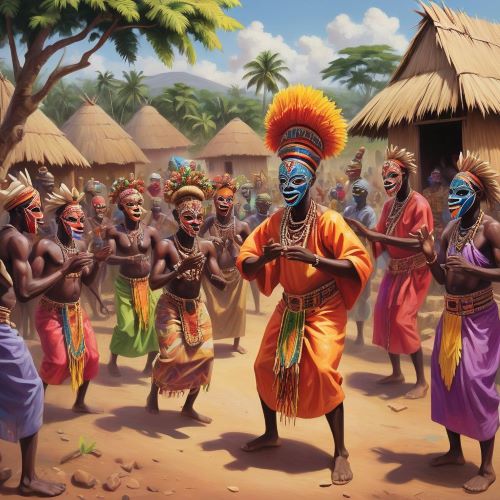
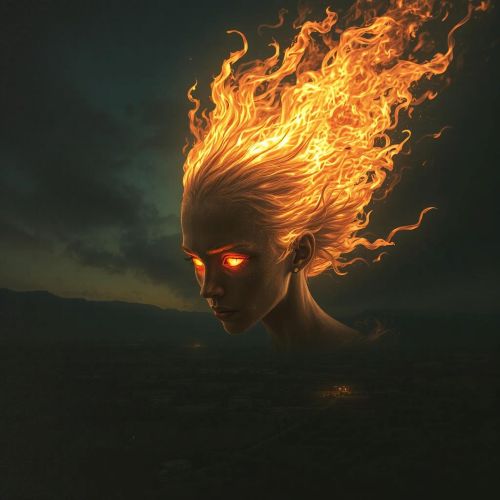
Related Images


Source
Bushnell, D. I., Jr. (1910). Myths of the Louisiana Choctaw. American Anthropologist, 12(4), 526-535.
Encyclopedia Mythologica. (n.d.). Nalusa Falaya. https://encyclopediamythologica.com/nalusa-falaya
Factschology. (2023, January 2). The Nalusa Falaya of Native American Choctaw mythology. https://factschology.com/mmm-podcast-articles/nalusa-falaya-choctaw-shadow-being
Lankford, G. (1987). Native American legends: Southeastern legends–Tales from the Natchez, Caddo, Biloxi, Chickasaw, and other nations. August House.
Mythfolks. (2024, September 23). Legend of Nalusa Falaya. https://www.mythfolks.com/nalusa-falaya
Native ChocTalk. (2021, October 31). Season 1, Episode 12: It’s a Creepy Native ChocTalk Halloween! Hunting Bigfoot, Tales of the Evil Nalusa Falaya & Other Choctaw Folklore. https://www.nativechoctalk.com/season-1-episode-12
Sasquatch Chronicles. (2023, September 12). Nalusa Falaya. https://sasquatchchronicles.com/nalusa-falaya/
Unknown. (2024). Spirits beneath the trees: A Choctaw tale of shadows and secrets. Bookshop.org. https://bookshop.org/p/books/spirits-beneath-the-trees-a-choctaw-tale-of-shadows-and-secrets/33cc64a970d07874
Frequently Asked Questions
Who is Nalusa Falaya in Choctaw tradition?
Nalusa Falaya is a shadowy supernatural spirit from Choctaw folklore whose name means “Long Black Being.” It is known for instilling fear and misleading hunters in forests and swamps.
What does Nalusa Falaya look like?
Stories describe Nalusa Falaya as a tall, thin humanoid figure with a dark or shadow-like body. Some versions mention a shriveled face, small eyes, and long ears, while others portray it as nearly faceless.
What powers does Nalusa Falaya have?
Nalusa Falaya can manipulate fear, curse individuals with malevolent influence, hide within shadows, and lure victims using a human-like voice.
Is Nalusa Falaya a god or a spirit?
Nalusa Falaya is considered a spirit rather than a deity. It exists outside the Choctaw pantheon and functions mainly as a cautionary supernatural figure.
Why was the story of Nalusa Falaya told?
Choctaw storytellers used the legend to warn people about the dangers of wandering alone in forests and to teach lessons about fear, morality, and personal responsibility.
