
Linnormr : The Deadly Serpent Dragon of Norse Legend
Listen
At a glance
| Description | |
|---|---|
| Origin | Norse Mythology |
| Classification | Hybrids |
| Family Members | N/A |
| Region | Norway, Sweden, Denmark, Iceland |
| Associated With | Poison, Greed, Treasure |
The Mythlok Perspective
In Mythlok’s Perspective, the Linnormr represents the ancient European fear of entrapment rather than explosive destruction. It is not fire that terrifies the North, but suffocation and decay. Unlike the blazing dragons of medieval romance, the Linnormr feels older and closer to the earth. It resembles the cosmic serpent archetype seen in cultures worldwide, from Mesopotamian chaos serpents to Mesoamerican feathered dragons, yet it remains uniquely Scandinavian in its harsh, wilderness symbolism.
Linnormr
Introduction
The Linnormr is one of the most fascinating serpent-dragons in Scandinavian tradition. The Old Norse word linnormr combines lin meaning flexible or ensnaring and ormr meaning serpent or dragon. Unlike the later medieval dragons that breathe fire and soar through the sky, the Linnormr belongs to an older Northern European imagination where danger slithers rather than flies.
In Norse sagas and Scandinavian folklore, the Linnormr appears as a colossal serpent-like dragon associated with destruction, greed, wilderness, and primal chaos. It is not a god and not a giant in the traditional sense, but a monstrous being that tests heroes and guards treasure. Over time, the image of the Linnormr spread across Germanic lands, evolving into the Lindworm and Lindwurm of continental legend. Although often overshadowed by larger mythic figures, the Linnormr remains a crucial part of Norse dragon lore, bridging the gap between cosmic serpents and medieval dragons.
Physical Traits
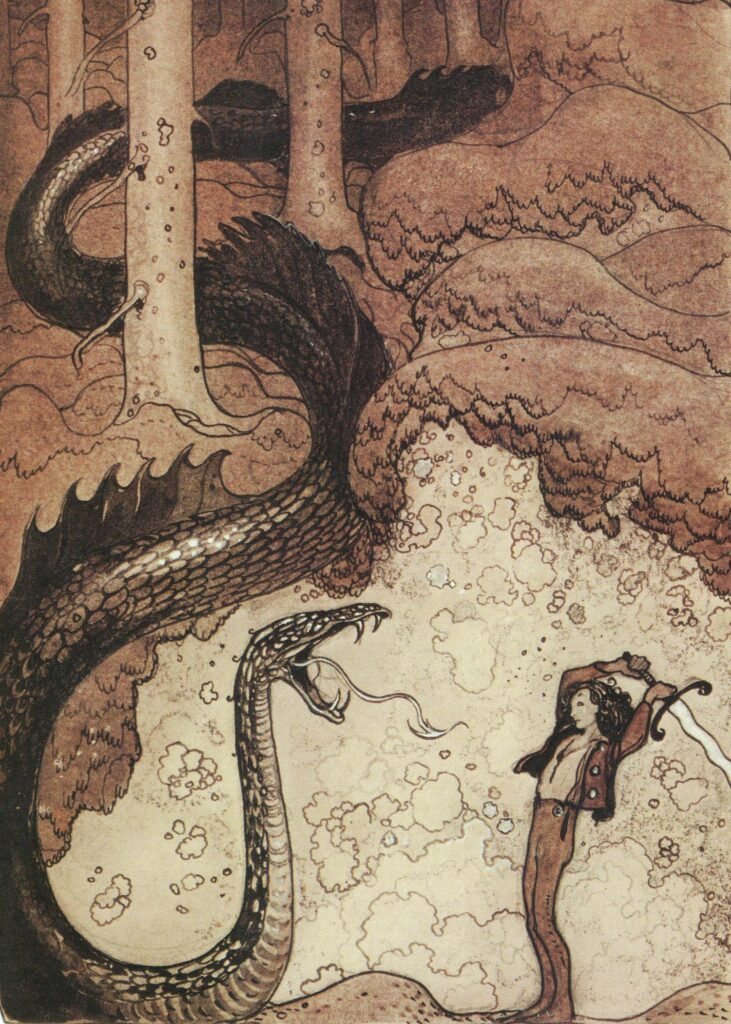
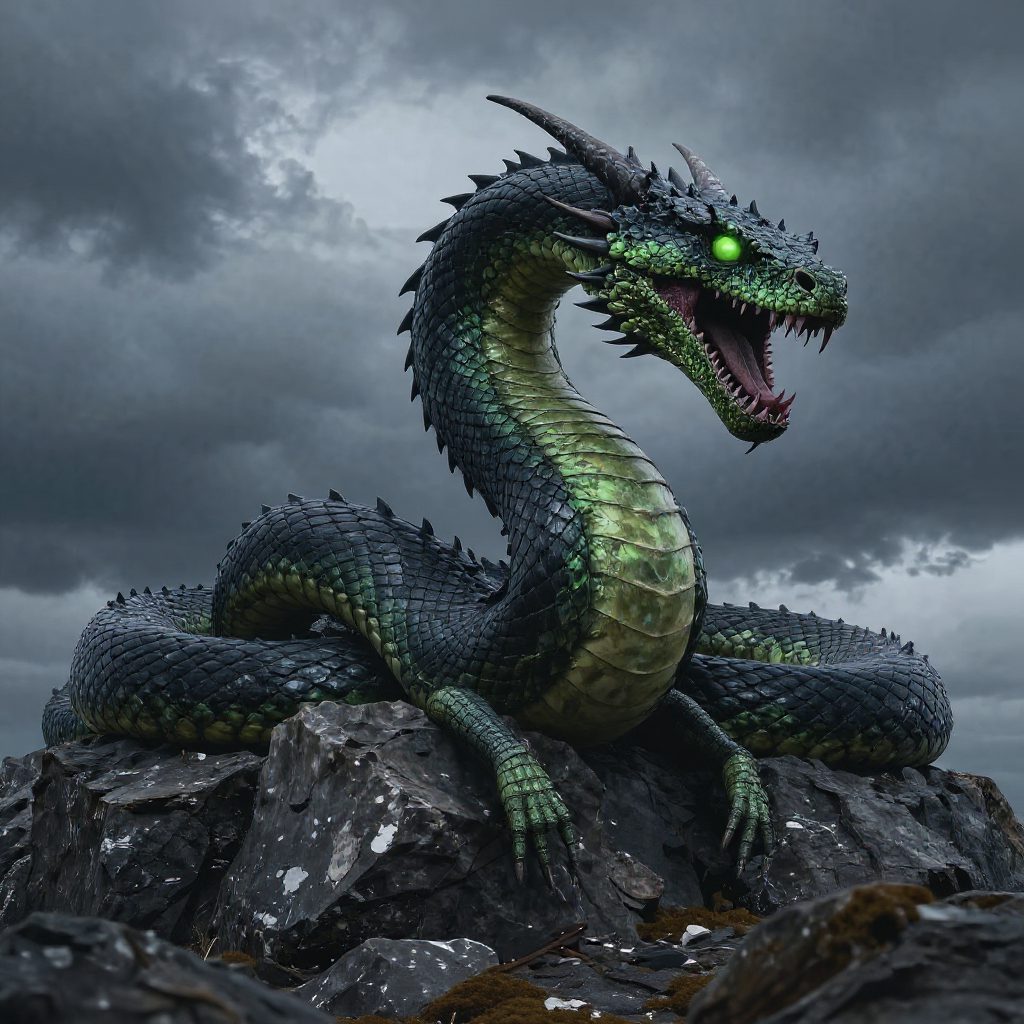
The Linnormr is typically described as a massive serpent with dragon-like characteristics. Unlike fully winged dragons, it is most commonly wingless. In many depictions, it has two forelegs but no hind legs, giving it a hybrid form that appears halfway between snake and dragon. Some regional traditions portray it as entirely limbless.
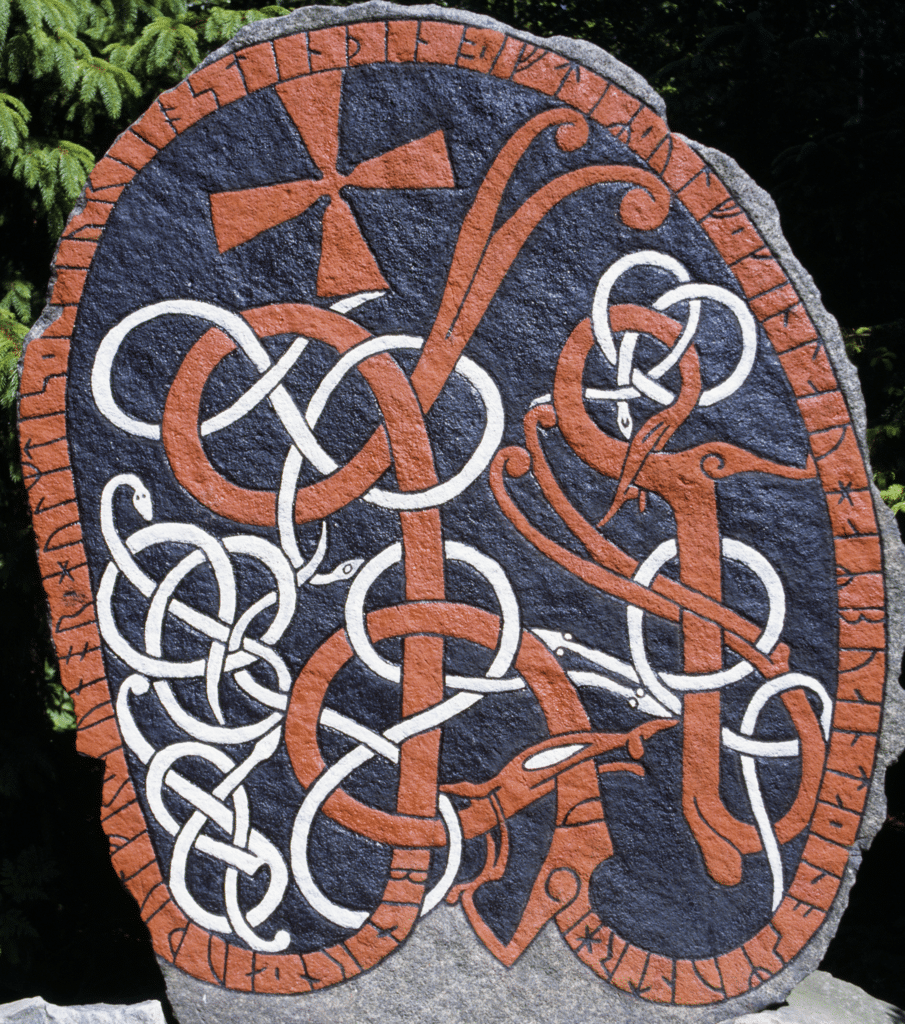
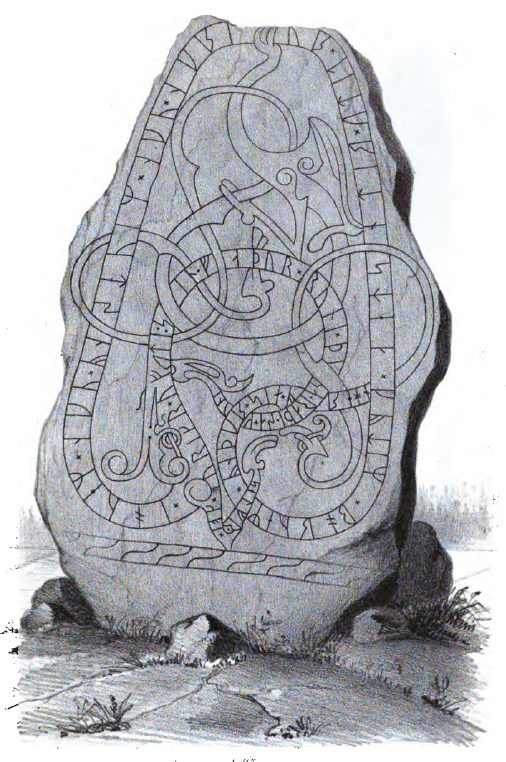
Its body is long, muscular, and covered in thick reptilian scales. Medieval carvings and saga descriptions suggest it could grow large enough to coil around hills or fill entire halls. The head resembles that of a dragon, with powerful jaws capable of swallowing a human whole.
Unlike later European dragons, fire is not its defining feature. Instead, poison and constriction dominate its physical identity. The Linnormr represents suffocation, entrapment, and decay rather than blazing destruction. This distinction is important when separating it from classical dragon imagery.
Family
The Linnormr belongs to a broader category of serpentine beings in Norse tradition known as ormr (serpents) and dreki (dragons). While not a unified species with a formal genealogy, several famous mythic creatures share its traits.
One well-known example is Fáfnir, who began as a dwarf before transforming into a dragon after being consumed by greed. His story appears in the Völsunga saga and the Poetic Edda. Though often called a dragon, Fáfnir closely resembles a Linnormr in form and behavior, guarding cursed treasure in isolation.
Another powerful serpentine being is Níðhöggr, who gnaws at the roots of Yggdrasil, the World Tree. While Níðhöggr has a more cosmic role, its serpentine form aligns it with the same mythic lineage of destructive or decaying forces. In Scandinavian heroic legend, the Linnormr famously appears in the saga of Ragnar Lodbrok, where Ragnar slays a monstrous serpent to win the hand of Thora Borgarhjört. This story reinforces the Linnormr’s role as a trial-beast rather than a divine entity.
Other names
The Linnormr appears under various names across Northern and Central Europe, reflecting its widespread influence. In Old Norse texts, it is called linnormr. In Swedish, it becomes lindorm, while in Norwegian it remains linnorm. In German, the creature evolves into the Lindwurm, a term commonly used in medieval dragon legends. In English adaptations, it appears as lindworm or simply wyrm. These variations demonstrate how the serpent-dragon archetype moved through linguistic and cultural borders. While details shifted, the core identity of a wingless or partially limbed serpent-dragon remained intact.
Powers and Abilities
The Linnormr’s abilities are grounded in physical dominance and corruption rather than magical spectacle. Poison is its most consistent trait. Some sagas describe venomous bites, while others speak of toxic blood or a poisonous breath-like exhalation. In certain legends, heroes must wear protective clothing to avoid contact with its deadly fluids. The Ragnar Lodbrok tale specifically notes that Ragnar wore tarred and fur-lined garments to resist the serpent’s poison.
The Linnormr is also associated with immense strength. Its serpentine body allows it to constrict and crush enemies or structures. Treasure guardianship is another recurring theme. Like Fáfnir, many Linnormr figures guard hoards of gold, symbolizing greed and moral corruption. Unlike later dragons that embody fiery chaos, the Linnormr represents entrapment, decay, and moral downfall. Its presence in a narrative often signals a test of courage and cunning.
Modern Day Influence
The Linnormr continues to influence modern fantasy and gaming. In tabletop role-playing systems like Dungeons & Dragons and Pathfinder, the linnorm appears as a distinct dragon subtype inspired directly by Norse lore. These versions often emphasize poison, rune magic, and wingless serpentine forms.
Heraldry across Scandinavia and Germany still features Lindwurm imagery. The creature appears on coats of arms and architectural carvings, symbolizing vigilance and strength. In literature and media, the Linnormr archetype survives as the ancestral template for many modern serpent-dragons. Even when not named directly, its DNA is present in countless fantasy creatures that slither rather than soar.
Related Images

Source
Larrington, C. (Trans.). (2014). The Poetic Edda. Oxford University Press.
Byock, J. (Trans.). (1990). The Saga of the Volsungs. University of California Press.
Saxo Grammaticus. (2015). Gesta Danorum: The history of the Danes (P. Fisher, Trans.). D.S. Brewer. (Original work published ca. 1200)
Orchard, A. (1997). Dictionary of Norse myth and legend. Cassell.
Davidson, H. R. E. (1993). The lost beliefs of northern Europe. Routledge.
Schurtz, L. (1904). Ragnar Lodbrok och hans söner: Sagan om den mäktige vikingahövdingen [Ragnar Lodbrok and his sons: The saga of the mighty Viking chieftain]. In Svenska Fornminnesföreningens Tidskrift.
“LINNORM.” (n.d.). In An icelandic-english dictionary (R. Cleasby & G. Vigfusson, Authors). Retrieved February 26, 2026, from https://cleasby-vigfusson-dictionary.vercel.app/word/linnormr
“Linnorm.” (2023). In PathfinderWiki. Retrieved February 26, 2026, from https://pathfinderwiki.com/wiki/Linnorm
Frequently Asked Questions
What is a Linnormr in Norse legend?
A Linnormr is a serpent-like dragon from Scandinavian folklore, usually wingless or with only two forelegs, associated with poison, treasure, and destruction.
Is Fáfnir considered a Linnormr?
Yes, Fáfnir’s dragon form closely matches Linnormr traits, especially in his serpentine shape and treasure-guarding behavior.
How is a Linnormr different from a dragon?
Unlike later medieval dragons, the Linnormr is typically wingless and emphasizes poison and constriction rather than fire-breathing.
Did people believe in Linnormr historically?
Belief in lindworms persisted in Scandinavian folklore into the 19th century, particularly in rural Sweden.
Are Linnormr used in modern fantasy?
Yes, the creature appears in role-playing games, novels, and fantasy art as a distinct Norse-inspired dragon type.