

Duryodhana : The Tragic Prince of the Mahabharata
Listen
At a glance
| Description | |
|---|---|
| Origin | Indian Mythology |
| Classification | Gods |
| Family Members | Dhritarashtra (Father). Gandhari (Mother), Kauravas |
| Region | India |
| Associated With | Royalty, Greed, Jealousy |
Mythlok Perspective
In Mythlok’s perspective, Duryodhana represents the elemental force of rigidity. He is not chaos, but immovable stone, resisting balance. Unlike Ravana’s intellect or Kamsa’s fear, Duryodhana’s flaw is refusal. Across cultures, he parallels Achilles in Greek tradition and King Lear in Shakespearean lore, figures undone not by lack of power but by excess certainty. His story warns that leadership fails when strength cannot adapt.
Duryodhana
Introduction
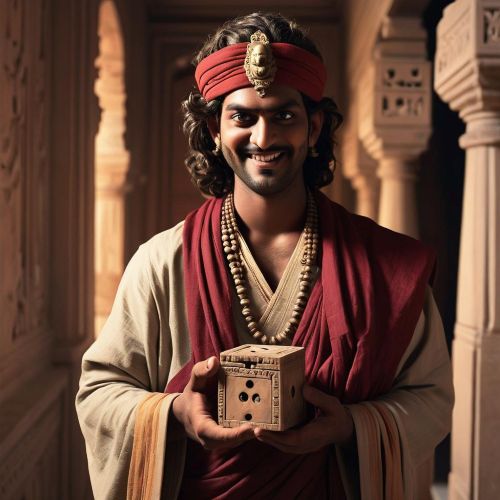
In Indian mythology, Duryodhana, the eldest of the Kauravas in the Mahabharata, stands out for his complex persona and controversial actions. Often depicted as a symbol of ambition and arrogance, his character mirrors the intricate moral and political landscapes of ancient India. Known alternately as Suyodhana, he is a central figure in the epic, embodying traits of envy, ambition, and unyielding loyalty, which ultimately lead to the catastrophic war that engulfs his kingdom.
Physical Traits
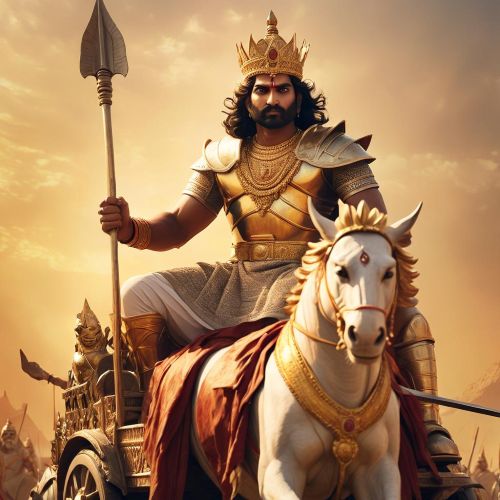
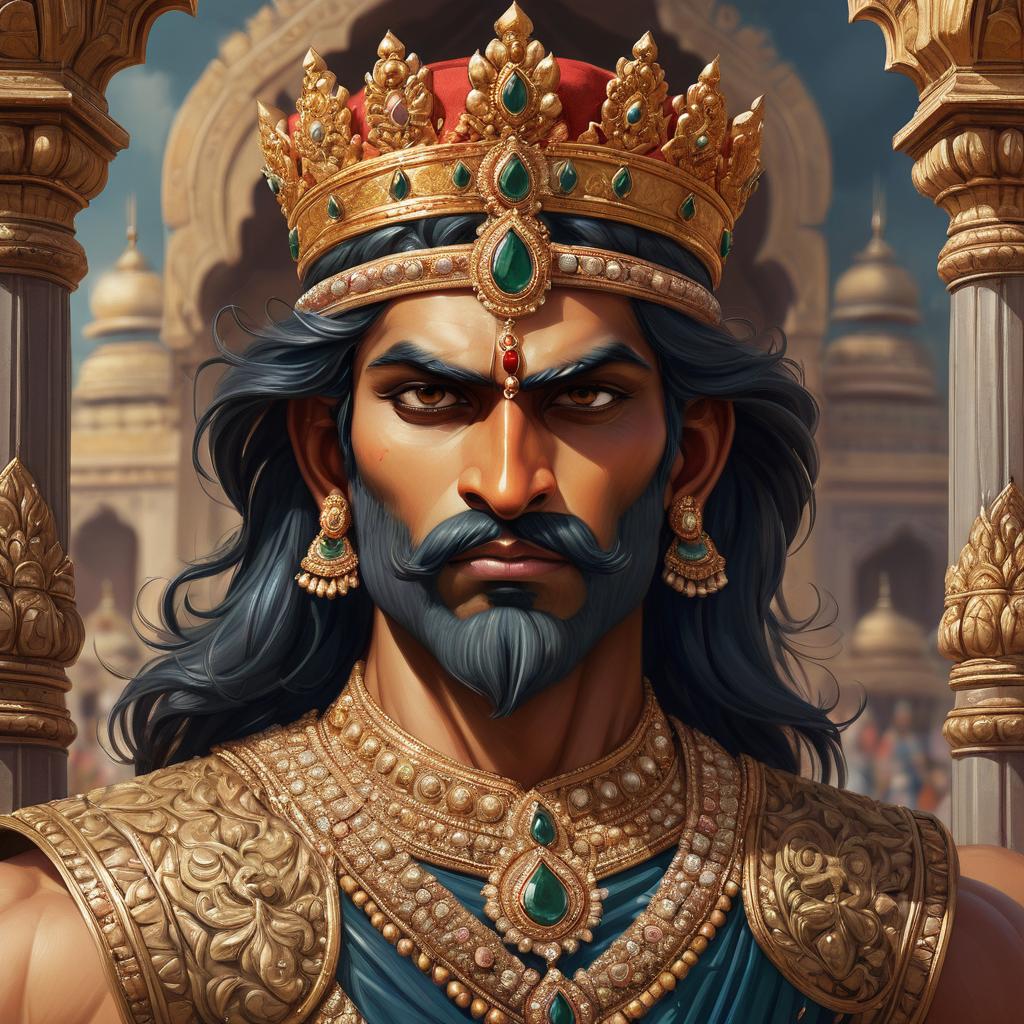
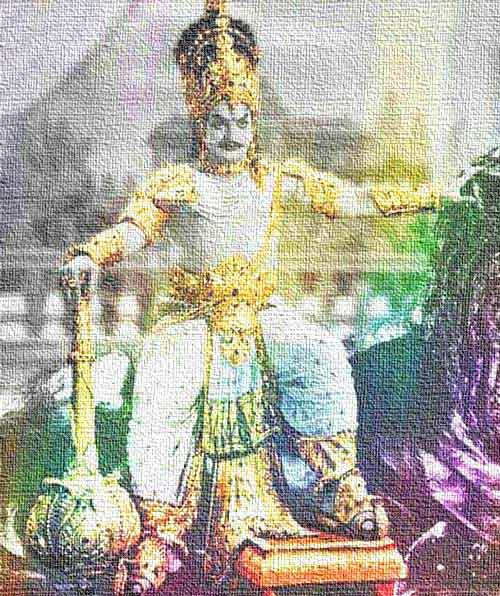
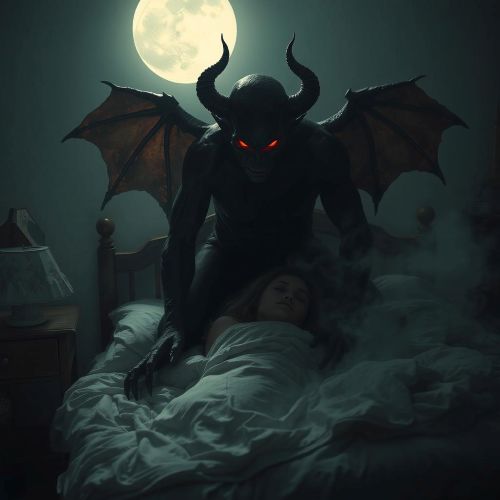
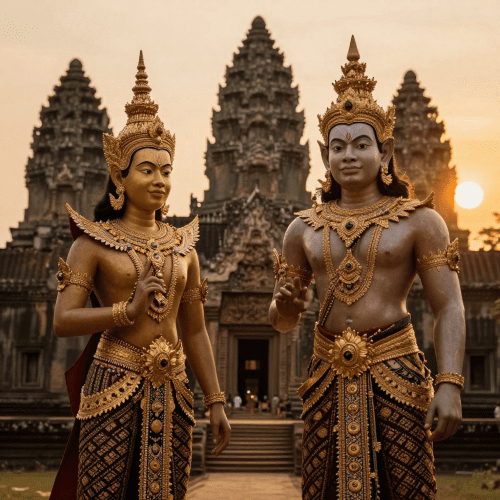
Descriptions of Duryodhana’s physical appearance in the Mahabharata are sparse. However, interpretations and artistic representations commonly depict him as a tall, well-built figure. Some portrayals emphasize his dark complexion and fiery red eyes, which mirror his strong personality. Artistic depictions often present him with a dignified demeanor, adorned in royal attire and jewelry suitable for a crown prince. His physical presence in the epic is characterized by strength, imposing stature, and a commanding aura that underlines his role as a formidable warrior and leader.
Family
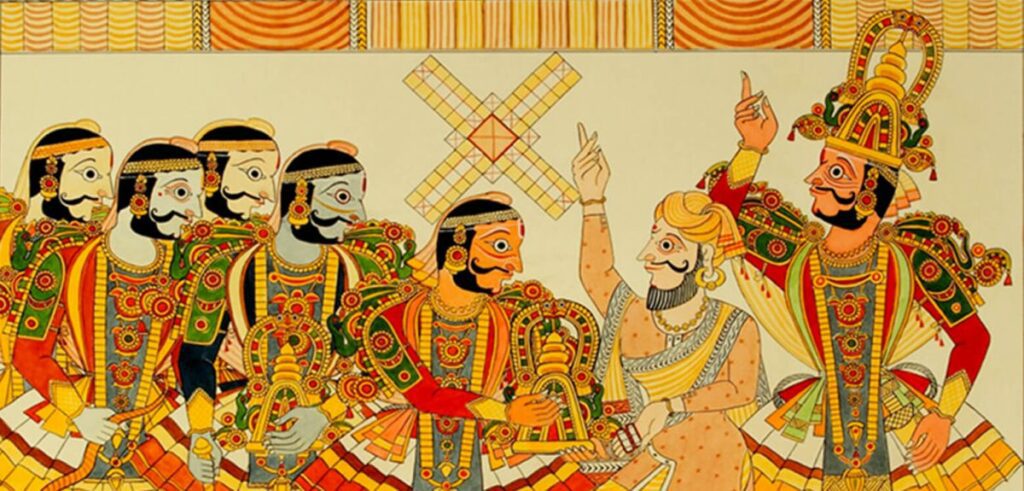
Duryodhana, born to King Dhritarashtra and Queen Gandhari of Hastinapura, is the eldest among the hundred Kaurava brothers, deeply cherished despite his father’s blindness. His lineage ties him to the prestigious Kuru dynasty, pivotal in the Mahabharata. From childhood, Duryodhana harbored a strong sense of entitlement to the throne, believing it rightfully belonged to him as the eldest son, despite Pandu’s claim. Influenced by his uncle Shakuni, he fostered animosity between the Kauravas and their cousins, the Pandavas, setting the stage for the epic’s unfolding conflicts. His closest ally in these tumultuous times was his brother Dushasana.
Other names
Duryodhana indeed carries multiple epithets that reflect different facets of his character and abilities throughout the Mahabharata epic. His names like Suyodhana highlight his martial prowess and strategic skills, contrasting with names like Duḥśāsana, which denote his unjust rule and actions. These epithets provide a comprehensive view of his complex personality, depicting both his strengths and flaws as a central figure in the epic narrative.
Powers and Abilities
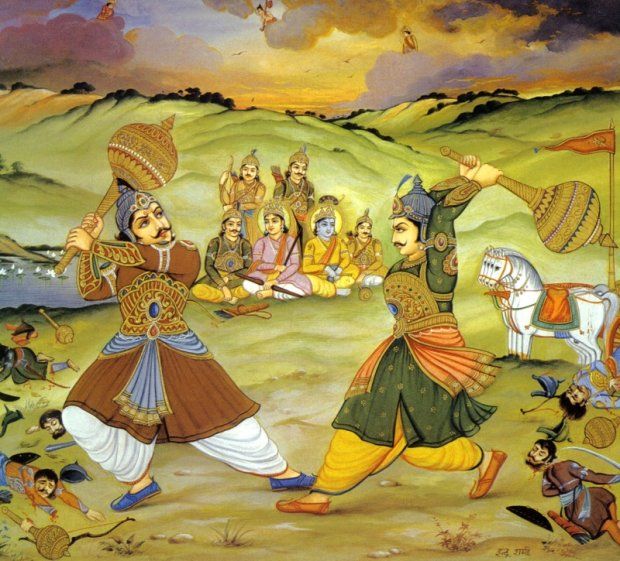
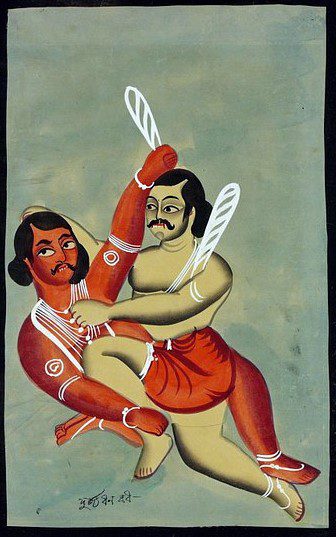
Duryodhana, renowned as both a prince and a warrior of exceptional prowess, honed his skills through rigorous training in martial arts and weaponry under the tutelage of revered warriors like Bhishma and Drona. His mastery of the mace (gada) was particularly notable, showcasing his formidable strength and combat abilities. Beyond his martial prowess, Duryodhana exhibited astute tactical insight and adeptness in navigating complex political dynamics within the Kuru court. Despite his controversial leadership marked by manipulation and ruthlessness, he commanded fierce loyalty from allies such as Karna and Bhishma, highlighting his ability to inspire and retain support despite his actions. His saga serves as a cautionary tale on leadership, illustrating the consequences when personal ambition eclipses the welfare of those governed.
Modern Day Influence
Duryodhana remains a compelling figure in Indian mythology, embodying themes of ambition, rivalry, and the perilous consequences of unchecked pride. His story serves as a timeless cautionary tale, emphasizing the dangers of envy and the importance of righteousness. Modern interpretations of the Mahabharata often delve deeper into Duryodhana’s character, exploring his insecurities and emotional vulnerabilities to add complexity. Authors like Anand Neelakantan, in works such as “Ajaya: Roll of Dice,” challenge traditional portrayals by presenting Duryodhana’s perspective, depicting him not merely as a villain but as a nuanced figure grappling with complex choices.
Throughout the Mahabharata, Duryodhana faces pivotal decisions, notably rejecting offers of peace from Krishna and Yudhishthira, which ultimately seal his fate. This underscores the profound impact of individual choices on one’s destiny. In contemporary society, Duryodhana continues to resonate through various media, including plays, television, and film adaptations, serving as a poignant reminder of the consequences of blind ambition and the enduring moral lessons embedded in the epic tale of the Mahabharata. His character prompts ongoing reflection on leadership, ethics, and the intricate facets of human nature, making him a subject of enduring fascination and study.
Related Images
Sources
Ganguli, K. M. (Trans.). (1883–1896). The Mahabharata. Calcutta.
Hiltebeitel, A. (2001). Rethinking the Mahabharata. University of Chicago Press.
van Buitenen, J. A. B. (1973). The Mahabharata: Volume 1. University of Chicago Press.
Fitzgerald, J. L. (2004). Mahabharata ethics and kingship. Journal of Indian Philosophy, 32(1), 1–36.
Encyclopaedia Britannica. (2024). Duryodhana. https://www.britannica.com/topic/Duryodhana
Sacred Texts. (n.d.). The Mahabharata. https://www.sacred-texts.com/hin/maha/index.htm
Wisdom Library. (n.d.). Duryodhana: Character overview. https://www.wisdomlib.org/hinduism/book/the-mahabharata-mohan/d/doc724083.html
Frequently Asked Questions
Was Duryodhana purely evil?
No. Duryodhana was not portrayed as purely evil in the Mahabharata. He displayed genuine courage in battle, deep loyalty to his allies, especially Karna, and generosity toward those who supported him.
Why did Duryodhana hate the Pandavas?
Duryodhana’s hostility toward the Pandavas arose from a combination of succession anxiety, jealousy, and fear of losing his claim to the Kuru throne. The popularity and moral stature of the Pandavas made him feel displaced, turning rivalry into resentment and eventually into open conflict.
Was Karna truly loyal to Duryodhana?
Yes. Karna remained deeply loyal to Duryodhana throughout his life, standing by him even when he knew the Pandavas were fighting for a just cause. Their relationship was built on mutual respect and gratitude, though it also trapped Karna in morally compromised decisions.
Did Duryodhana ever regret his actions?
Most classical versions of the Mahabharata depict Duryodhana as unrepentant even at the moment of death. He believed he had lived according to his principles as a warrior and king, showing pride rather than remorse, which reinforces the tragic rigidity of his character.
Why is Duryodhana important today?
Duryodhana remains relevant because he represents leadership undone by ego and inflexibility. His story illustrates how power without self-awareness, refusal to adapt, and prioritizing pride over justice can lead to inevitable failure, making him a timeless cautionary figure.