

Arrernte Mythology
Arrernte mythology reflects the deep spiritual traditions of the Arrernte people of Central Australia, whose ancestral lands surround the region of Mparntwe (Alice Springs). These stories form part of the broader Australian Aboriginal Dreamtime but carry unique regional identities, sacred sites, and ancestral beings that shape the worldview of the Arrernte community. Their mythology is rooted in the landscape itself — deserts, ranges, waterholes, and skies — each inhabited by spirit forces whose presence continues to guide everyday life.
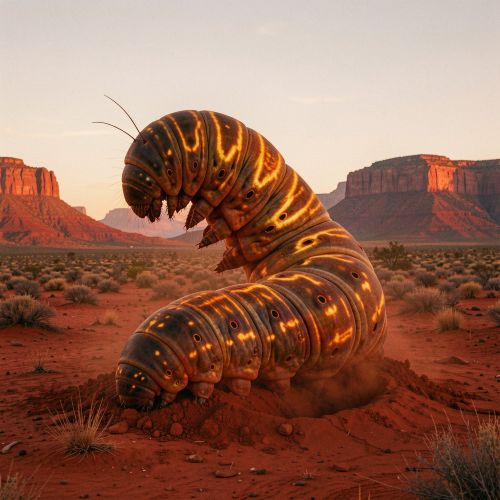
Central to Arrernte mythology are the Dreamtime ancestors, powerful beings who travelled across the land during the creation era. As they moved, they formed the mountains, gorges, and riverbeds characteristic of Central Australia. The stories of the Caterpillar Dreaming (Yeperenye), Emu Dreaming, and Dog Dreaming are among the most important, explaining the origins of sacred landmarks and clan identities. These ancestral beings also established the moral laws and ceremonial practices that the Arrernte people continue to uphold.
A defining feature of Arrernte mythology is its strong connection to sacred geography. Locations such as the MacDonnell Ranges, Emily and Jessie Gaps, and countless hidden waterholes carry spiritual significance. These sites are not just historical markers — they are living embodiments of the ancestors’ actions and continue to be honored through rituals, songs, and storytelling. Arrernte people maintain these traditions to ensure harmony between the physical and spiritual worlds.
Arrernte mythology emphasizes the importance of kinship and social order. Stories passed down through generations teach proper behavior, respect for elders, and the responsibilities individuals hold toward their community and land. Oral storytelling, song cycles, and ceremonies ensure that sacred knowledge is preserved and transmitted correctly, with certain stories restricted to specific genders or age groups.
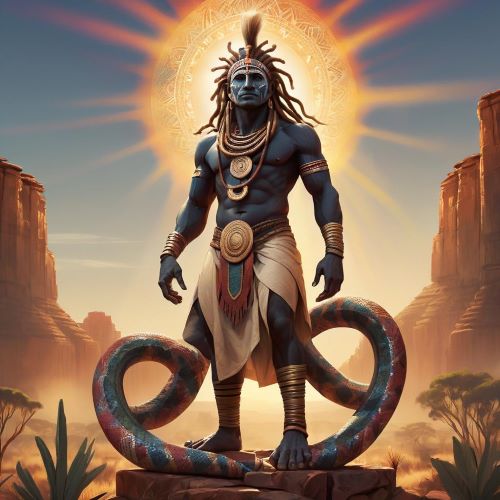
Many Arrernte myths also focus on water sources, which are essential in a desert environment. Waterholes are often associated with serpents, spirit beings, or particular Dreamings, and must be approached with respect and care. The presence or absence of water is seen as a reflection of spiritual balance within the land.
Despite the pressures of colonization and modern change, Arrernte mythology remains a vital part of cultural identity. Traditional practices are preserved through community-led programs, ceremonial gatherings, art, and language revival efforts. Arrernte artists often depict ancestral beings and Dreamtime stories, helping share their culture while protecting sacred knowledge.
Arrernte mythology stands as a testament to resilience, cultural continuity, and the sacred connection between people and Country — a living tradition that honors ancestors and the vast desert landscape they created.