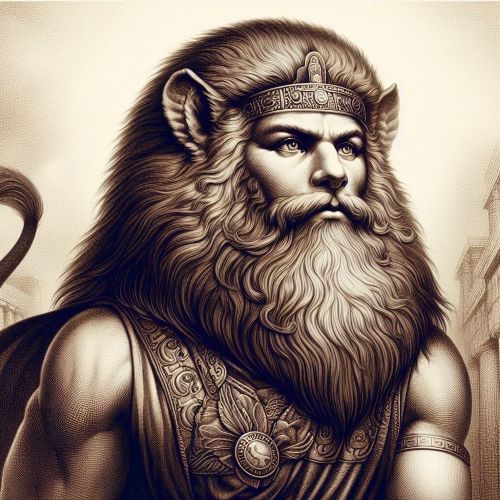


Babylonian Mythology
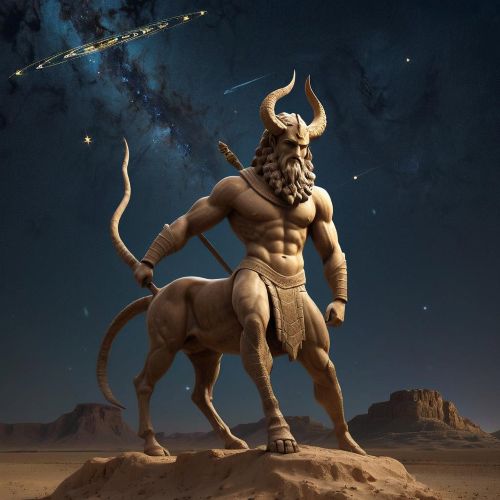
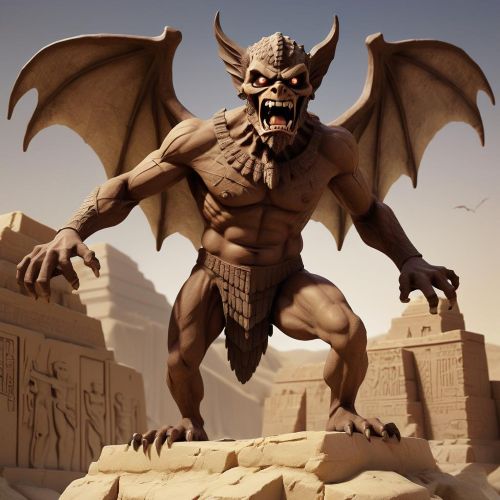
Babylonian mythology stands as one of the most fascinating pillars of the ancient world, rich with cosmological battles, powerful deities, and sacred knowledge that shaped early civilization. Rooted in the heart of Mesopotamia, this mythological tradition evolved from earlier Sumerian beliefs and laid the foundation for many of the stories that influenced later cultures across the Near East.
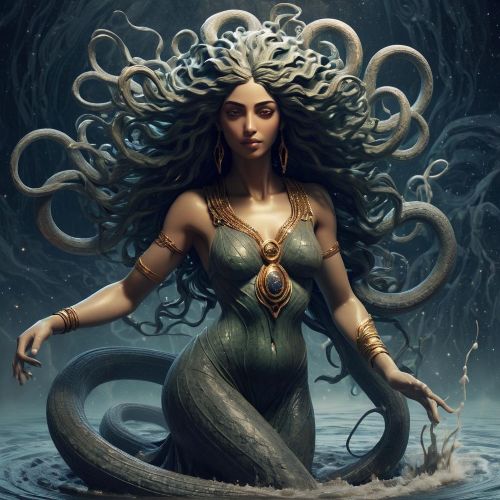
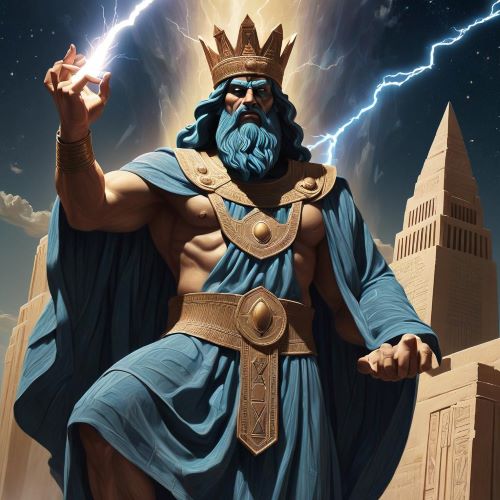
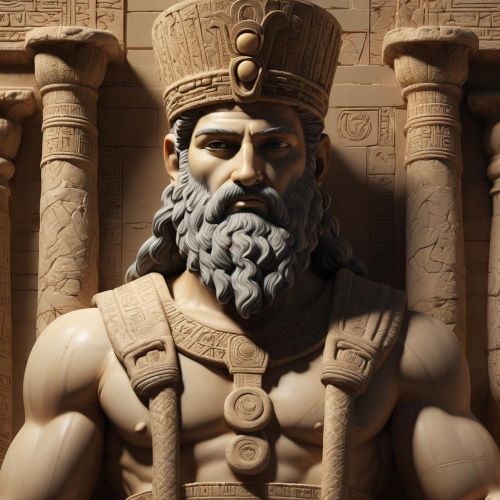
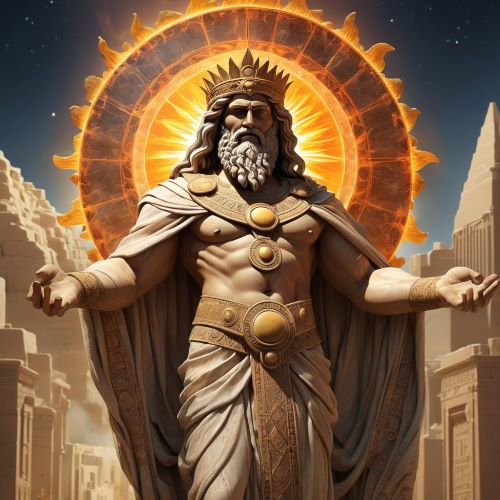
At the center of Babylonian mythology is Marduk, the chief god who rose to supremacy during the height of Babylon’s power. His most iconic tale is told in the Enuma Elish, the creation epic that describes how he defeated the primordial chaos dragon Tiamat. Through this divine victory, Marduk established order in the universe and became recognized as the sovereign of gods, reflecting Babylon’s political dominance on Earth. This cosmic battle symbolizes the triumph of civilization over chaos, a theme that resonates through Babylonian religion, art, and kingship.
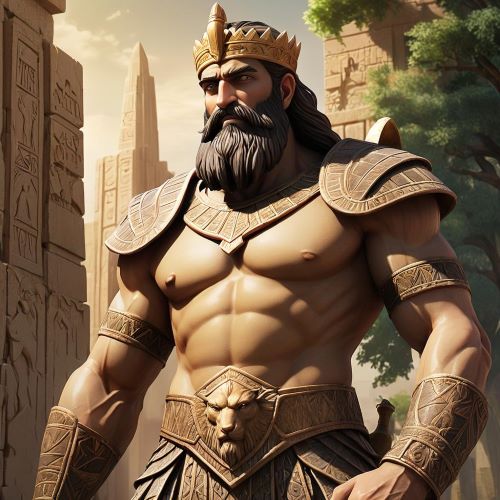
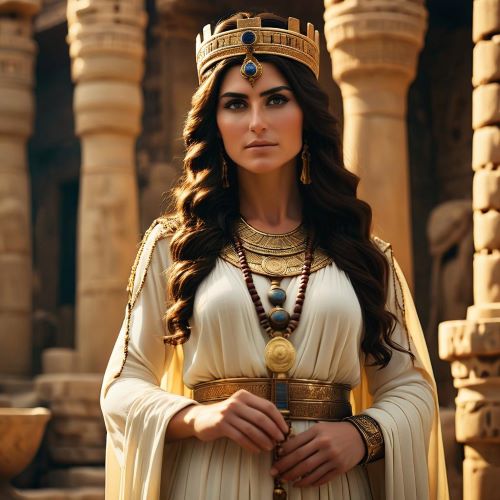
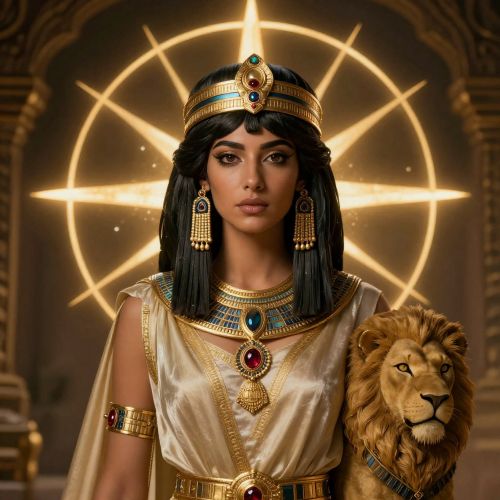
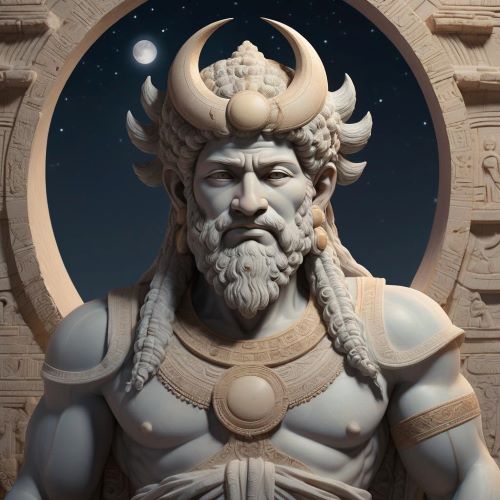
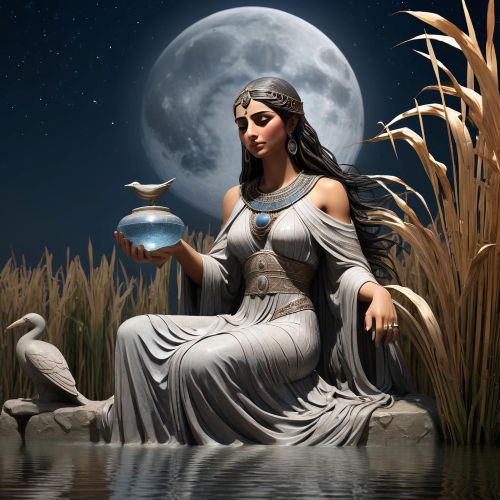
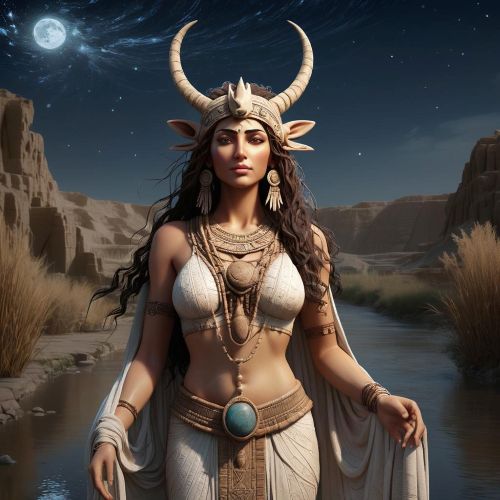
Other major deities also played vital roles in Babylonian belief. Ishtar, the goddess of love and war, influenced fertility, passion, and the fate of nations. Ea, also known as Enki, was the god of wisdom, magic, and freshwater, deeply connected to human survival and creativity. Nabu, the revered god of writing and knowledge, protected scholars and scribes and was celebrated during the Akitu (New Year) festival. Through these divine figures, the Babylonians saw reflections of both their challenges and aspirations.
Temples and ziggurats dedicated to these gods dominated the Babylonian skyline, serving not only as religious structures but also as centers of administration, learning, and cultural life. The most famous among them was the towering ziggurat of Babylon, often associated with the legendary Tower of Babel, symbolizing the city’s connection between the heavens and Earth.
Myths were deeply woven into everyday life. Astronomy, mathematics, agriculture, and governance were all believed to be influenced by divine will. Rituals, prayers, and protective incantations helped individuals maintain harmony with the cosmic order established by Marduk.
Though Babylon eventually fell to foreign empires, its mythology endured. Stories of great floods, divine wars, and heavenly mandates influenced later Abrahamic traditions and continue to captivate scholars, storytellers, and history enthusiasts today. Babylonian mythology remains a remarkable gateway into understanding how the earliest civilizations viewed the universe, human destiny, and the eternal struggle between order and chaos.