

Olmec Maize God : Divine Source of Life and Abundance
Listen
At a glance
| Description | |
|---|---|
| Origin | Olmec Mythology |
| Classification | Gods |
| Family Members | N/A |
| Region | Mexico |
| Associated With | Maize, Agriculture |
Olmec Maize God
Introduction
The Olmec Maize God holds a central position in the mythology and cosmology of the Olmec civilization, one of the earliest and most influential cultures of ancient Mesoamerica. As the divine embodiment of maize, he represented nourishment, prosperity and the very essence of human life. Maize was more than a staple crop; it was believed to be a sacred gift that enabled civilization to flourish. Because of this, the Maize God became a symbol of renewal, seasonal rebirth and the balance between death and regeneration. His imagery appears in sculptures, carvings and ceremonial objects, indicating his role as a deity who shaped ritual practices and spiritual identity. The Olmec belief in gods of fertility and sustenance influenced all later Mesoamerican civilizations, and the Olmec Maize God stands at the root of these traditions.
Physical Traits
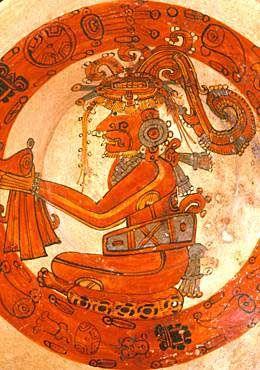
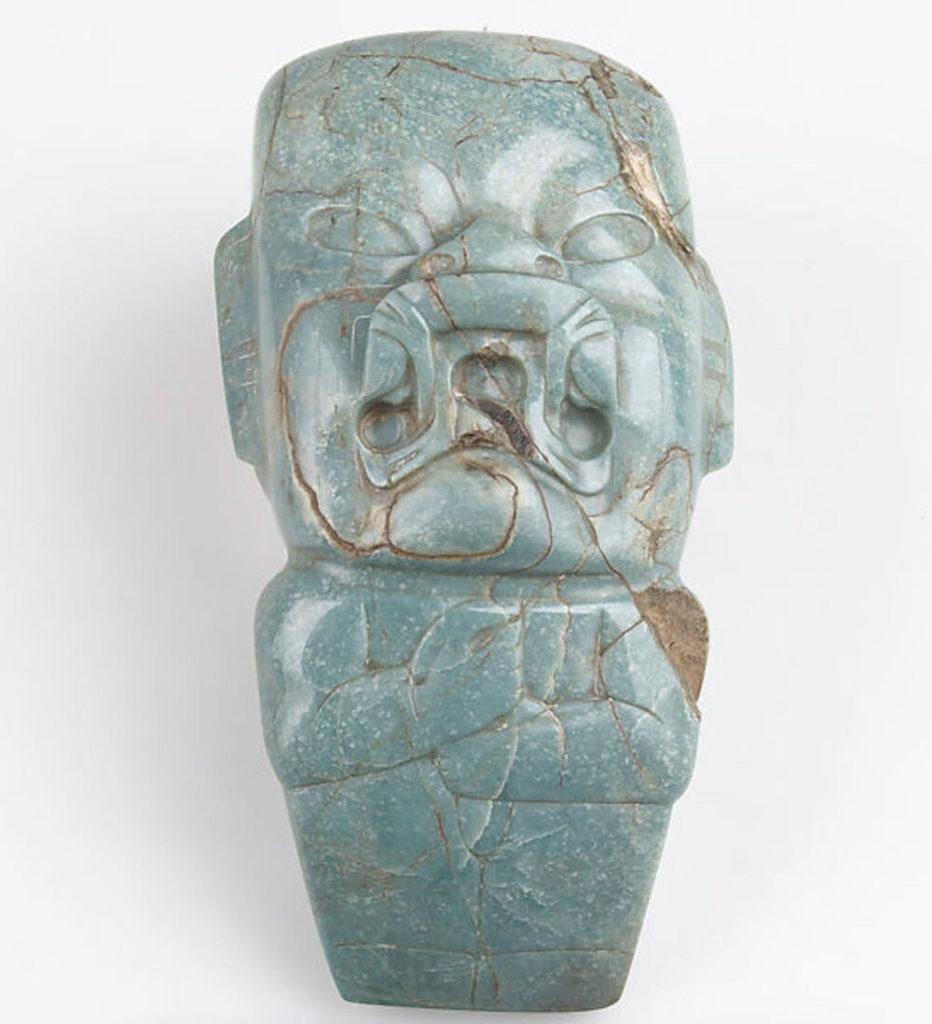
Representations of the Olmec Maize God typically emphasize youth and vitality, mirroring the fresh growth of young maize plants. His head is often adorned with a stylized sprout or cleft shape symbolizing the emergence of maize from the earth. Facial features can include almond-shaped eyes and rounded cheeks, a stylized aesthetic common within Olmec artistry. Some portrayals reveal his head elongated or shaped like an ear of corn, linking divine appearance to agricultural imagery. These artistic elements remind viewers that life, beauty and nourishment are inseparable, and that divine presence can be seen in every kernel that sustains human existence.
Family
As a god strongly tied to creation and sustenance, the Maize God is sometimes considered a child of the cosmic forces or earth-deities that govern fertility and growth. While the Olmec pantheon is not as detailed in recorded texts as later cultures, thematic associations suggest that the Maize God belongs to a divine lineage connected with rain, water and subterranean power. Some mythological interpretations explore his relationship with a possible mother earth figure or storm deity who enables the maize cycle. Through this symbolic family, the Olmec expressed harmony between earth, sky and life’s nourishment, reflecting the interdependence of natural forces.
Other Names
Due to the absence of written mythological records from the Olmec themselves, the precise sacred names of the Maize God remain unknown. Later Mesoamerican cultures, however, carried forward his core identity and worship practices, offering parallels such as the Maya Maize God Hun Hunahpu and the Aztec maize deity Centeōtl. In modern scholarship, he is often referred to simply as the Olmec Maize God or the Maize Deity. This helps unify archaeological and anthropological understanding of the role he played in shaping early Mesoamerican spiritual concepts and agricultural reverence.
Powers and Abilities
The Olmec Maize God presides over growth, fertility, agriculture and the complex spiritual connection between humans and the food that sustains them. His divine essence guarantees that the earth continues to provide nourishment each year. He embodies the seasonal cycle in which maize sprouts, flourishes and eventually dies, only to be reborn through seed and soil. This regeneration granted him an early place among gods associated with resurrection and life after death. Through ceremonies that aligned with planting and harvest seasons, he ensured successful crops and protected communities from famine. His powers affirmed that life thrives when people respect nature’s sacred rhythms.
Modern Day Influence
The legacy of the Olmec Maize God is most clearly preserved in the symbolism and mythology of later Mesoamerican societies. The Maya Maize God and the Aztec maize deities evolved from his earliest forms, continuing the celebration of renewal, creation and agricultural abundance. Modern studies of indigenous food practices also emphasize how cultural relationships with maize define identities throughout Central and South America. Museums, heritage sites and archaeological findings featuring maize deity imagery help contemporary audiences appreciate the Olmec worldview and their enduring influence on regional spirituality. The Maize God remains a reminder that all civilizations rise from the soil that feeds them, and that sacred respect for food and earth is essential for the continuity of human life.
Related Images




Source
Miller, M., & Taube, K. (1993). The Gods and Symbols of Ancient Mexico and the Maya: An Illustrated Dictionary of Mesoamerican Religion. Thames & Hudson.
Coe, M. D. (2015). The Maya. Thames & Hudson.
Tedlock, D. (1982). The Creation Myth and the Maize God in Popol Vuh. Journal of Latin American Lore.
Taube, K. (1996). The Maize God and the Classic Maya Period. RES: Anthropology and Aesthetics, 29/30, 171–192.
Mark, J. J. (2019). Maya Maize God. World History Encyclopedia. Retrieved from https://www.worldhistory.org/Maya_Maize_God/
Britannica. (n.d.). Maya Religion and Maize Worship. Retrieved from https://www.britannica.com
The Metropolitan Museum of Art. (n.d.). Maya Maize God Depictions in Art. Retrieved from https://www.metmuseum.org
Frequently Asked Questions
What Olmec deity was associated with corn?
The Olmec deity associated with corn or maize is known as the Maize God. This god appears as a human-like figure with a stalk of corn growing out of his head. Because maize was such an important staple of life for the Olmec, it’s not surprising that they dedicated a god to its production
How did the Olmecs use maize?
The Olmecs, one of the earliest civilizations in Mesoamerica, incorporated maize into their diet and culture in significant ways. They began to consume maize variants within their diet as the nixtamal, which consisted of a mixture of corn with ashes and sea shells. The land around the rivers was found to be good for growing crops, and with the creation of irrigation systems, they began to grow a variety of food, including maize. Maize was such an important part of the Olmec civilization that they even had a deity associated with it.
Why was corn important to the Olmecs?
Corn, or maize, was a vital part of the Olmec civilization. It was a staple food in their diet and was cultivated as one of their primary crops. The fertile land around the rivers, coupled with their irrigation systems, made it ideal for growing maize. Additionally, maize held religious significance for the Olmecs. They had a deity associated with maize, known as the Maize God, signifying its importance in their culture and daily life.