Fijian Mythology
Fijian mythology encompasses the traditional stories, religious beliefs, ancestral traditions, and ritual practices of the Indigenous iTaukei people of Fiji. Shaped by the islands, reefs, forests, mountains, and surrounding ocean, these traditions include stories about creation, ancestral beings, powerful gods, spirits, and the origins of particular communities and places. Oral traditions, chants, dances, ceremonies, and sacred objects have all played important roles in transmitting these traditions across generations.
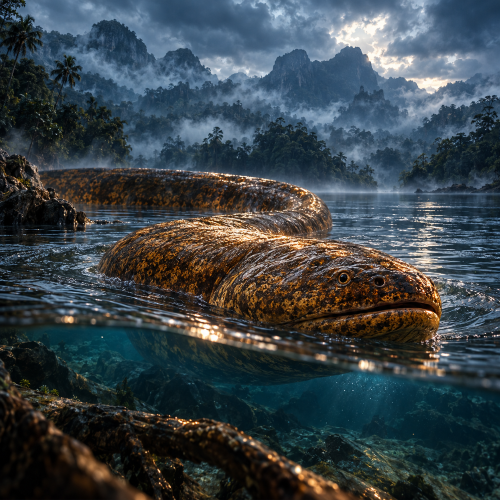
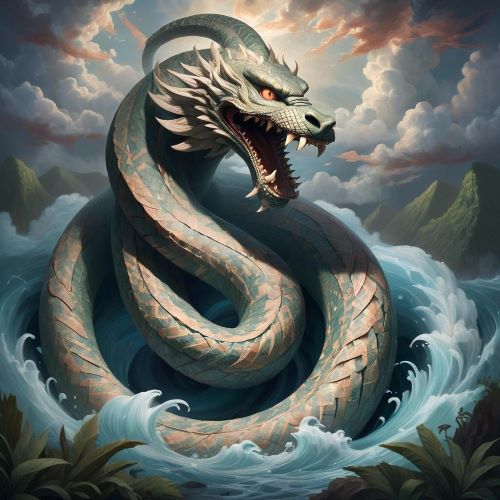
One of the most prominent figures in traditional Fijian mythology is Degei, a powerful serpent-associated creator deity. Traditional accounts describe Degei as the creator of the world and connect him with natural forces including earthquakes, storms, seasons, rain, and agricultural fertility. He is also associated with the fate of the dead. In one traditional account, newly deceased souls pass through caves before appearing before Degei, who determines their destination. Some are sent to Burotu, a paradise, while others descend toward Murimuria, a place associated with punishment and suffering. These traditions vary between sources and communities and should not be treated as a single universal Fijian doctrine. (en.wikipedia.org)
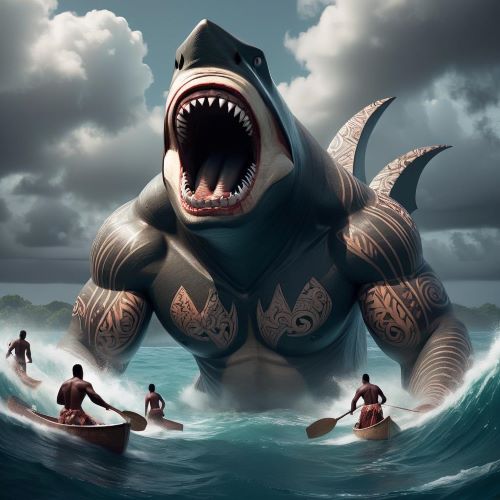
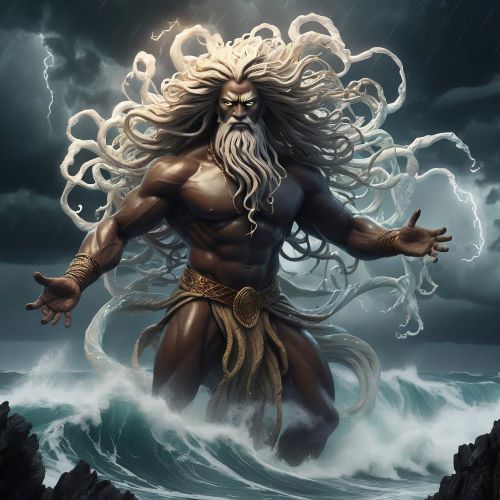
The ocean occupies an important place in Fijian traditions. Dakuwaqa is one of the best-known ancestral shark deities, associated in different traditions with reefs, fishermen, coastal communities, and protection at sea. He can also be a dangerous and formidable figure, reflecting the dual nature of the ocean as both a source of life and a potential threat. Fijian traditions about Dakuwaqa vary from island to island, with some communities maintaining particular ancestral relationships with the shark deity. (australian.museum)
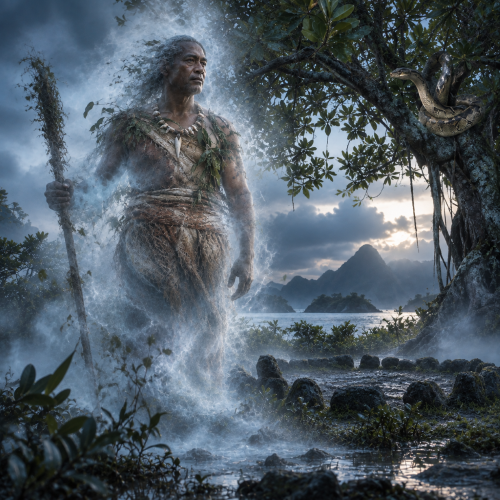
The concept of vu is also important in traditional Fijian religious thought. The term can refer to ancestral gods, the spirits of deceased relatives, and more distant supernatural beings associated with particular communities and places. Rather than forming a simple category equivalent to “ghosts,” vu can encompass different levels of ancestral and supernatural existence. Ritual specialists historically sought communication with these beings on behalf of chiefs and communities. Sacred objects, spirit houses, yaqona, chants, and ceremonial performances could form part of these interactions. (metmuseum.org)
Traditional Fijian religious practice was closely connected with chiefly authority, agriculture, ancestry, and the natural environment. Sacred objects could embody ancestral power, while priests acted as intermediaries between human communities and supernatural beings. Some ritual objects were kept in specialized spirit houses and activated during ceremonies through chants, offerings, and other practices. These traditions demonstrate that Fijian ideas of the sacred were closely connected to material culture and social relationships. (metmuseum.org)
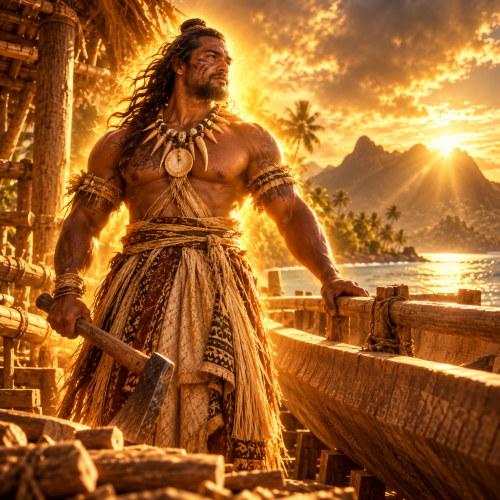
Fijian mythology also includes numerous local gods, ancestral beings, spirits, and legendary figures whose stories are associated with particular islands, reefs, villages, clans, and chiefly lines. The traditions surrounding these beings are often geographically specific, meaning that accounts of the same figure can differ between communities. This local dimension is an important characteristic of Fijian oral tradition.
Christianity profoundly transformed Fijian religious life during the nineteenth century, and most Indigenous Fijians today identify with Christian traditions. At the same time, elements of older traditions continue to survive in cultural practices, oral histories, dances, ceremonies, place traditions, artistic expression, and relationships with ancestral identity. Contemporary Fijian culture therefore reflects both Indigenous traditions and the religious and social changes that followed European contact.
Fijian mythology is best understood not as a single fixed system but as a collection of interconnected local traditions concerning gods, ancestors, spirits, landscapes, oceans, and communities. From the creator deity Degei to the ancestral shark god Dakuwaqa and the many beings associated with vu, these traditions preserve distinctive ways of understanding the relationship between people, place, ancestry, and the unseen world.