

Genbu : The Japanese Black Tortoise of the North
Listen
At a glance
| Description | |
|---|---|
| Origin | Japanese Mythology |
| Classification | Animals |
| Family Members | N/A |
| Region | Japan |
| Associated With | North, Strength, Protection |
Genbu
Introduction
Genbu, one of the Four Symbols of East Asian cosmology, occupies a central place in Japanese mythology as the divine protector of the north. Known in Japanese as 玄武 and rooted in the much older Chinese figure Xuánwǔ, Genbu symbolises winter, water, endurance, and spiritual resilience. The creature’s composite form—a tortoise intertwined with a serpent—reflects the union of earth and fluidity, a balance between grounded strength and transformative energy. Genbu’s influence reached Japan during the Nara and Heian periods, shaping imperial geomancy, religious interpretations, and artistic traditions. In Kyoto’s urban planning, Genbu served as the northern guardian, believed to shield the capital from misfortune. Across centuries, this mysterious and ancient entity has remained a cultural symbol of wisdom, longevity, and protection, bridging Taoist, Buddhist, and Shinto thought.
Physical Traits
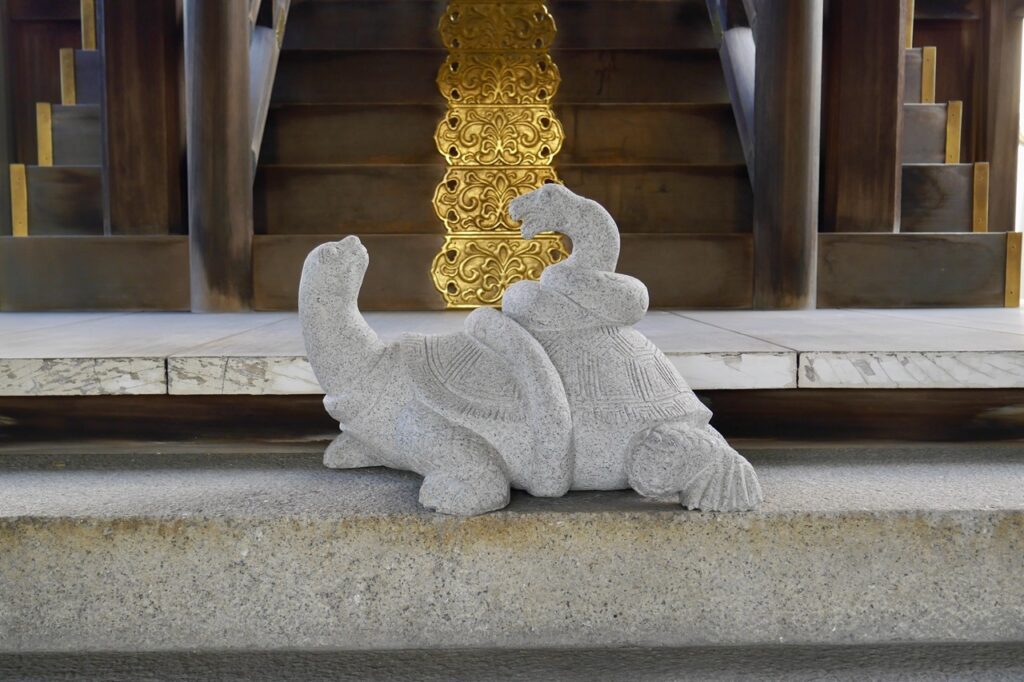
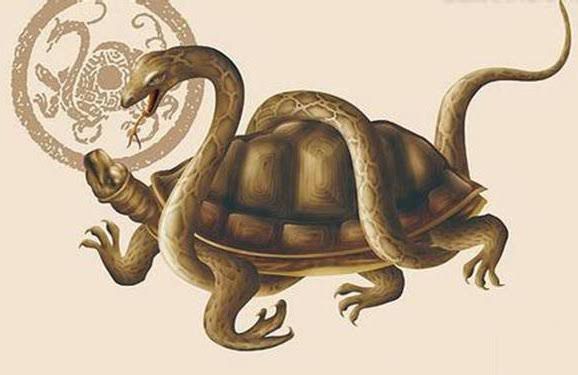
Genbu’s striking appearance distinguishes it from other mythological guardians. Depicted as a powerful black tortoise with a serpent coiling around its shell, the creature reflects a fusion of stability and motion. The tortoise’s shell, dark and rounded, is traditionally associated with heaven’s dome and the endurance of the natural world. Its underside represents the earth, creating a cosmological bridge between sky and soil. The snake’s winding form introduces an opposing yet complementary force—representing renewal, cyclical energy, and spiritual agility. This pairing embodies yin and yang in equilibrium, where the tortoise’s steady endurance meets the serpent’s transformative nature. In art from ancient tomb murals to modern illustrations, Genbu’s form is rendered with quiet strength, suggesting a guardian that protects not by aggression but through steadfast cosmic balance. The creature’s black hue signifies its connection to the water element, the season of winter, and the mysterious northern direction.
Family
Unlike deities in mythologies that trace genealogical lineages, Genbu does not belong to a familial hierarchy. Instead, its closest counterparts form the celestial collective known as the Four Symbols: Seiryu of the east, Suzaku of the south, and Byakko of the west. Together they represent cardinal directions, seasons, and elemental forces that jointly maintain cosmic order. Their bond is one of purpose rather than blood, functioning as a spiritual network that stabilises the universe. In Taoist tradition, Genbu is sometimes linked to Xuánwǔ, a once-mortal prince who attained divine status after purifying his spirit. Though not a “family” in the traditional sense, the tortoise and snake in the legend become symbols of redeemed energies serving alongside their master. Japanese mythology, however, does not emphasise this narrative, instead presenting Genbu as a self-contained celestial guardian. The absence of a traditional lineage adds to its enigmatic nature, allowing cultures to interpret Genbu through their own cosmological and artistic lenses.
Other names
Genbu is recognised across East Asia by names that reflect linguistic nuance and cultural adaptation. In China, its birthplace, the deity is known as Xuánwǔ—literally “Dark Warrior”—a title avoiding the direct mention of tortoises, which historically carried negative connotations. In Korea, the guardian is called Hyeonmu, and in Vietnam, Huyền Vũ, both preserving associations with mystery, martial energy, and northern symbolism. Within Japanese tradition, Genbu may also be referred to as the Black Tortoise or the Northern Guardian, especially in contexts related to feng shui and temple orientation. These variations highlight the resilience of its mythic identity as it traversed borders, religions, and artistic styles. Regardless of name, each interpretation preserves the core essence of Genbu as a steadfast cosmic sentinel linked to protection, longevity, and the metaphysical depth of the north.
Powers and Abilities
Genbu’s powers are rooted in symbolism rather than discrete narrative feats. As a guardian of the north, it embodies defensive strength, shielding spiritual spaces, cities, and individuals from disorder. The tortoise’s association with endurance grants Genbu the metaphoric ability to outlast adversity, while the serpent’s presence conveys regeneration, wisdom, and the capacity to navigate both physical and spiritual realms. In Chinese cosmology, Genbu is linked to water, granting it influence over purification, rainfall, and the quiet yet persistent power of natural cycles. Its connection to winter positions it as a force governing stillness and introspection, a reminder that life endures through periods of dormancy. In divination traditions, tortoise shells were used for oracle reading, reinforcing Genbu’s link to foresight and spiritual insight. These attributes collectively portray Genbu as a deity whose strength lies in resilience, balance, and the quiet intelligence that governs the cosmos.
Modern Day Influence
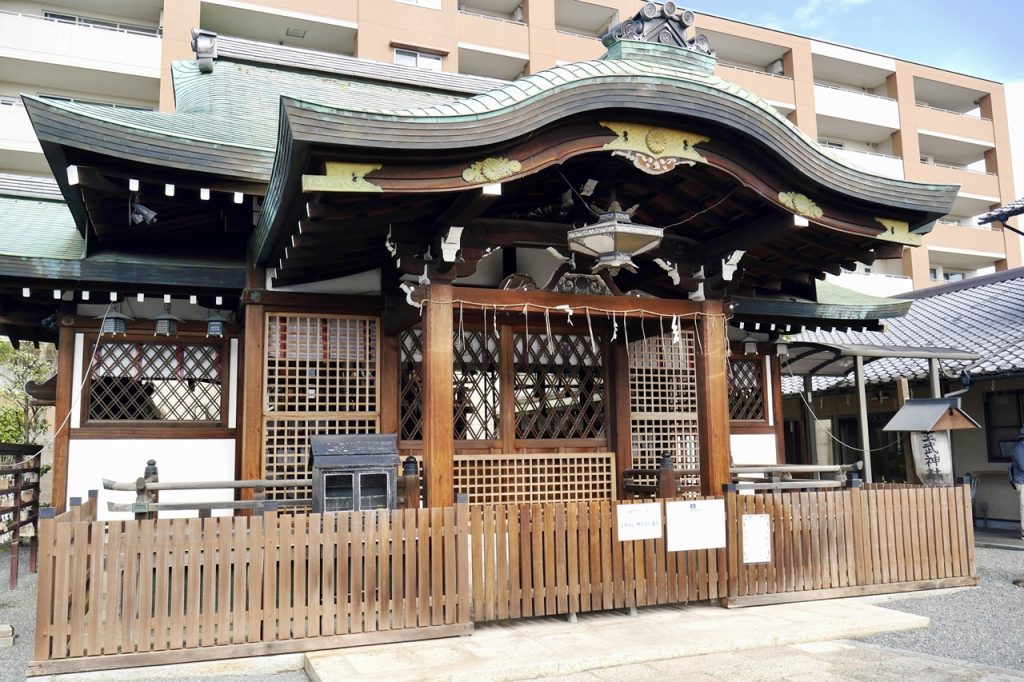
Genbu’s symbolism continues to resonate in contemporary culture throughout Japan, China, and beyond. In Kyoto, the Genbu Shrine stands as a living testament to its protective legacy, drawing pilgrims seeking safety, stability, and spiritual grounding. In architecture and feng shui, the principle of the northern “backing”—often represented by a mountain or elevated structure—reflects Genbu’s shielding presence. Modern entertainment also embraces the guardian: Genbu appears as a deity, monster, or elemental force in anime, manga, and video games such as Fushigi Yûgi, Final Fantasy, and various role-playing franchises. These adaptations often highlight its defensive capabilities, wisdom, and commanding presence. Martial arts schools and spiritual groups adopt its imagery to emphasise discipline, resilience, and moral fortitude. Even in contemporary art and design, Genbu’s hybrid form continues to inspire reinterpretations, reinforcing its status as a timeless symbol of protection, balance, and quiet strength.
Related Images



Source
Foster, M. D. (n.d.). Genbu. Yokai.com. https://yokai.com/genbu/
Japan Makes Me Scared. (2025, March 18). Genbu: A black turtle-snake as the northern guardian deity. https://japan-makes-me-scared.com/genbu/
Klein, R. (2010, February 1). Shijin (Shishin) – Four legendary Chinese creatures. Onmark Productions. https://www.onmarkproductions.com/html/ssu-ling.shtml
Nakamoto, S. (2021). Japanese mythology: 4 protectors – Genbu [Web log post]. Wattpad. https://www.wattpad.com/1117258928-japanese-mythology-4-protectors-genbu
Seki, N. (2008). Mythical beasts of Japan: From evil creatures to sacred beings. PIE International.
Tanemura, S. (1984). Genbukan Ninpo Bugei. Genbukan World Headquarters.
Wikipedia contributors. (2025). Black Turtle-Snake. Wikipedia. https://en.wikipedia.org/wiki/Black_Turtle-Snake
Wikipedia contributors. (2025). Four Symbols. Wikipedia. https://en.wikipedia.org/wiki/Four_Symbols
Frequently Asked Questions
What is Genbu in Japanese mythology?
Genbu is one of the Four Symbols, a celestial guardian representing the north, water, and winter, depicted as a tortoise entwined with a serpent.
Is Genbu the same as Xuánwǔ in Chinese mythology?
Yes. Genbu is the Japanese interpretation of Xuánwǔ, though cultural details, religious associations, and artistic representations vary.
What does the tortoise-and-snake form of Genbu symbolise?
It represents balance between endurance and transformation, combining earthly stability with spiritual renewal.
Where can Genbu be found in modern culture?
Genbu appears widely in anime, manga, video games, shrine traditions, martial arts symbolism, and feng shui practices.
What powers is Genbu believed to possess?
Genbu symbolically governs protection, longevity, wisdom, winter energies, and the purifying and regenerative qualities of water.