
Wind Horse : The Celestial Steed of Spirit and Fortune
Listen
At a glance
| Description | |
|---|---|
| Origin | Tibetan Mythology |
| Classification | Animals |
| Family Members | N/A |
| Region | Tibet |
| Associated With | Speed, Wind, Luck |
Wind Horse
Introduction
The Wind Horse, known in Tibetan as Lungta, is one of the most profound and inspiring symbols in Himalayan mythology and spirituality. Unlike the winged horses of Western myth, the Wind Horse does not belong to the realm of mere creatures — it is a metaphysical emblem, representing the human soul’s energy, life force, and fortune.
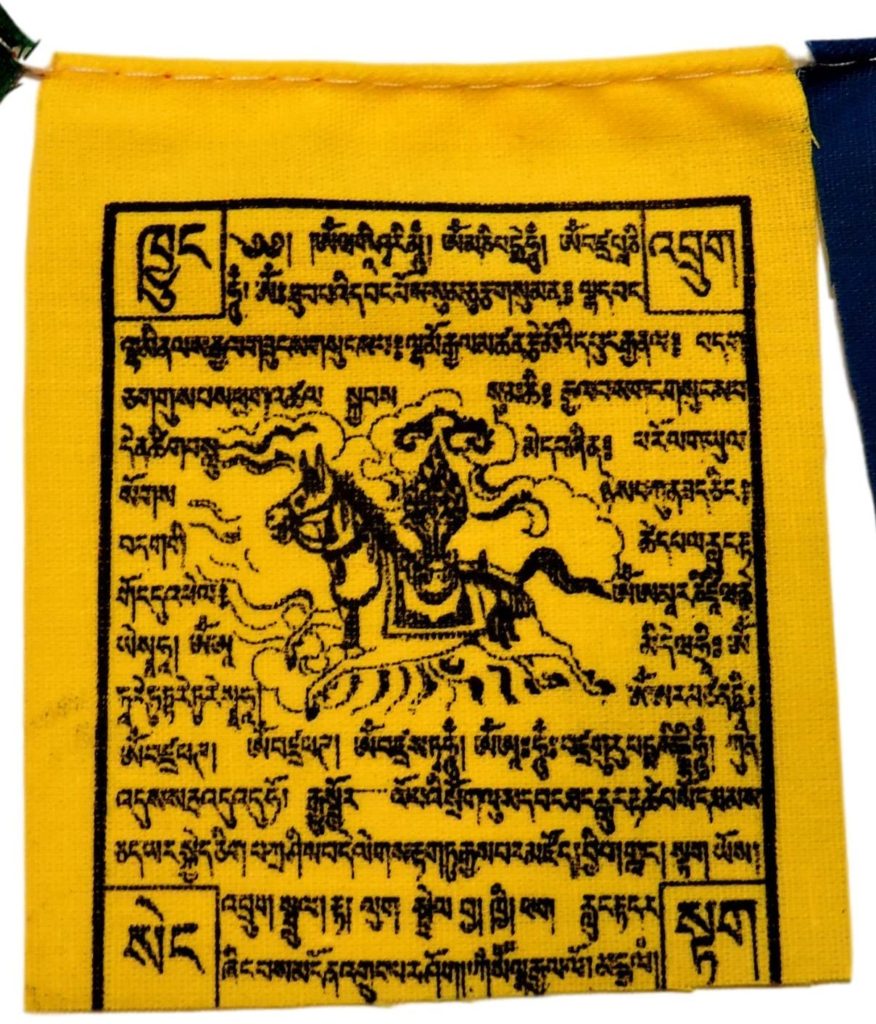
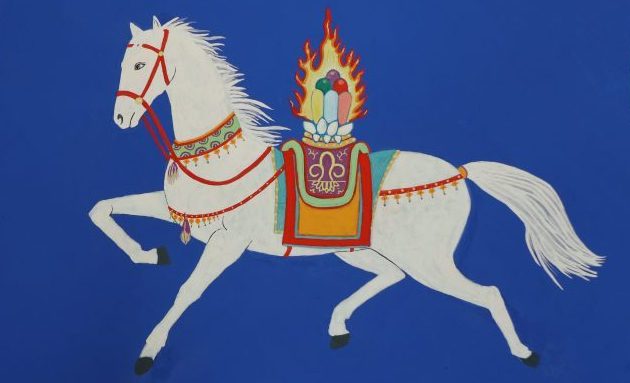
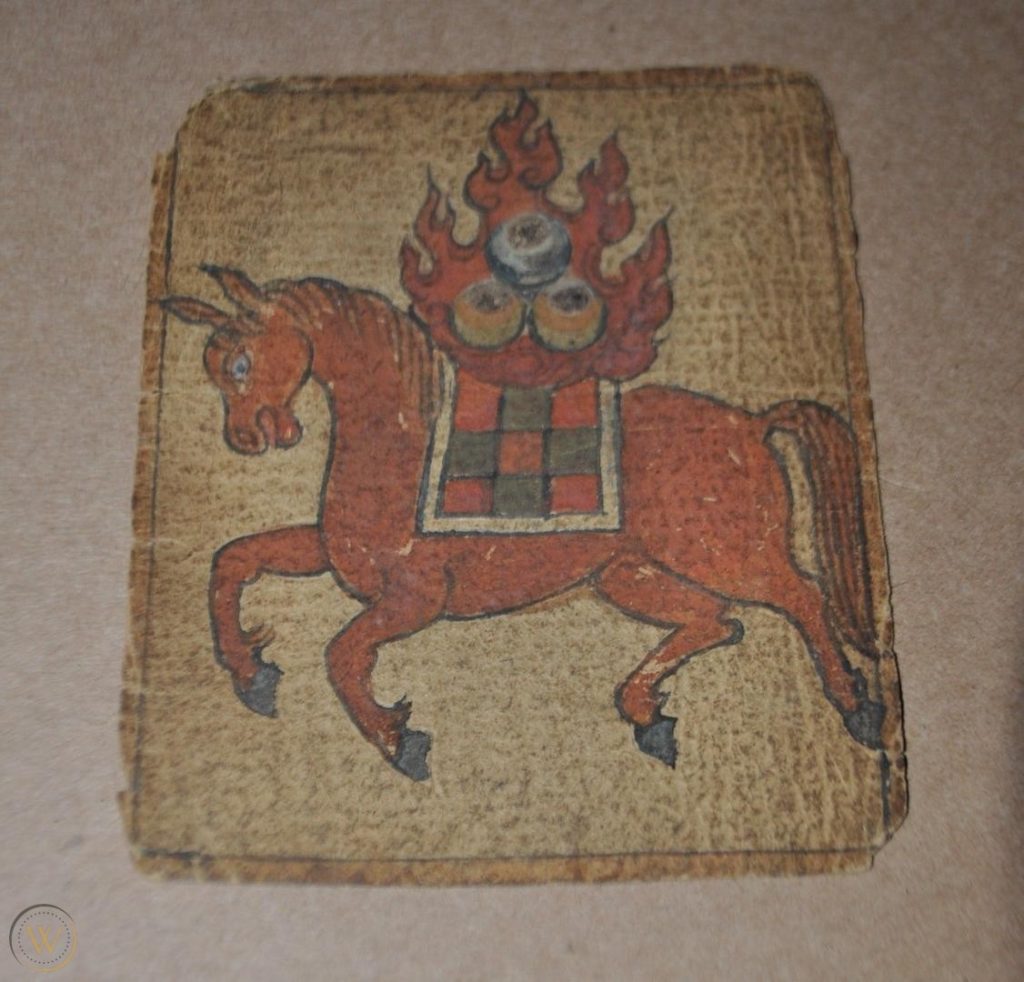
In Tibetan Buddhist and Bon traditions, Lungta is not only a celestial being but also a spiritual metaphor. It is believed to carry prayers and positive intentions from the earth into the heavens, spreading goodwill, strength, and prosperity. The image of the Wind Horse appears on countless Tibetan prayer flags, where it runs through clouds bearing the “wish-fulfilling jewel” (Chintamani), a symbol of the heart’s deepest desires and enlightenment.
In this form, the Wind Horse embodies the union of air (motion) and fire (spirit) — a bridge between human aspiration and cosmic balance. It is less an animal of mythic flesh and more a living idea: the momentum of the soul.
Physical Traits
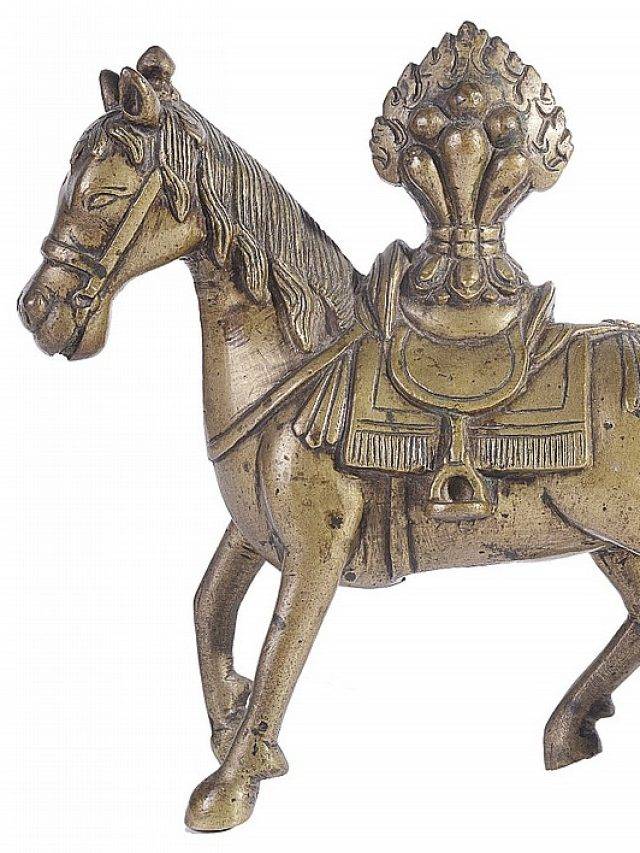
Unlike the Pegasus of Greek mythology, the Wind Horse is not described in anatomical precision but in symbolic form. Typically, it is depicted galloping among swirling clouds, its mane and tail flowing with wind, carrying the sacred jewel that radiates light. The horse is strong and elegant — a symbol of unrestrained motion and unwavering vitality.
In art and thangka paintings, the Wind Horse often combines features of natural realism and divine abstraction. Its body is sometimes surrounded by flames, representing the transformative energy of spiritual awakening. The flowing wind motifs around it symbolize speed, breath, and the life force — echoing the Tibetan belief that the breath (lung) is directly tied to consciousness.
While not every tradition describes the Wind Horse as literally winged, it is always airborne — its ability to soar representing the unbounded freedom of spirit.
Family
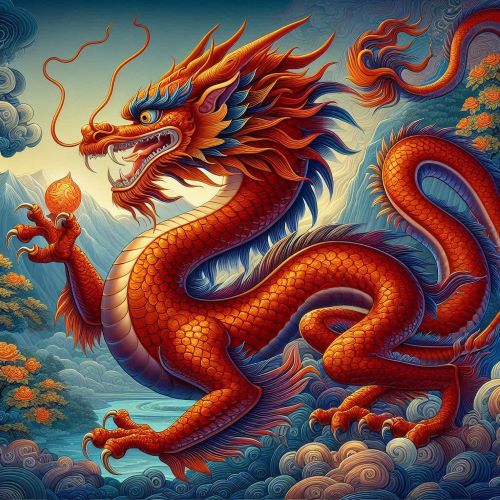
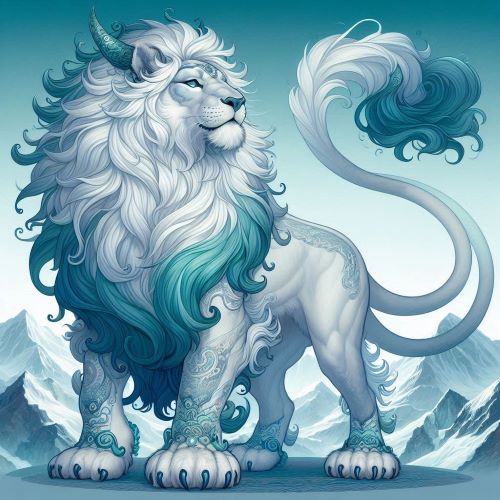
The Wind Horse has no genealogical family in the conventional mythological sense. Instead, it belongs to a symbolic family of protective and auspicious beings within Tibetan cosmology. It often appears alongside the Four Dignities — the Garuda (wisdom), the Snow Lion (joy and courage), the Tiger (confidence), and the Dragon (power and energy). Together, they represent different aspects of enlightened mind and virtuous life.
In Tibetan Buddhism, these beings are not “relatives” of the Wind Horse but companions of spiritual balance. The Wind Horse functions as the dynamic center of this group — the one who carries the essence of good fortune. In Bon tradition, it is said that Lungta arises from the harmony between heaven and earth, born from prayer, wind, and faith rather than lineage.
Other Names
The Wind Horse is called Lungta in Tibetan — lung meaning “wind” or “air,” and ta meaning “horse.” Across Mongolian and Central Asian shamanic cultures, similar concepts appear: in Mongolian, Hiimori represents both “wind horse” and “vital spirit,” describing the inner strength and personal fortune that fuels life.
In Himalayan regions, particularly Nepal and Bhutan, the term Lungta extends beyond the myth itself. It is used colloquially to mean luck or life energy — when someone says, “my Lungta is strong,” they mean their spiritual energy and good fortune are high. Conversely, a “low Wind Horse” implies bad luck or spiritual weakness.
Thus, while its name shifts across cultures, its meaning remains consistent — a rider of destiny, the unseen energy that propels both the body and the soul.
Powers and Abilities
The Wind Horse’s greatest power lies in its ability to elevate consciousness and fortune. It serves as a carrier of spiritual intent — transforming human prayer into cosmic energy. When wind touches the prayer flags bearing its image, Tibetans believe the Wind Horse rides the breeze, carrying blessings of compassion and peace to all beings.
Metaphysically, Lungta represents the alignment of body (earth), energy (wind), and mind (sky). When these three are in balance, one’s inner Wind Horse gallops freely — symbolizing clarity, confidence, and vitality. When they fall out of balance, the horse falters, bringing confusion or misfortune.
In ancient rituals, monks and shamans invoked Lungta to restore vitality and courage, especially before journeys or challenges. Its image was drawn or invoked in ceremonies to raise spiritual energy, cleanse negativity, and summon favorable winds.
As a mythic archetype, the Wind Horse has the power to connect realms — it rides between the physical and spiritual worlds, bridging the prayers of mortals with the compassion of the divine.
Modern Day Influence
Today, the Wind Horse continues to soar across Himalayan and global consciousness. It remains a central motif in Tibetan Buddhism, art, and meditation practices. The image of Lungta is found on prayer flags fluttering over mountains, homes, and monasteries — a visual reminder of the invisible energy that binds all life.
In contemporary spiritual culture, the Wind Horse has evolved into a cross-cultural symbol of resilience, hope, and vitality. Tibetan teachers describe it as the “inner wind” that lifts the mind from depression or doubt. Psychologists and mindfulness practitioners have drawn parallels between Lungta and the concept of motivation — the dynamic spirit that animates life.
Artists and spiritual travelers often adopt the Wind Horse in their work, using it as a symbol of freedom and flow. In global yoga and wellness circles, it represents the power of breath and intention — the way mindfulness can turn chaos into motion and despair into inspiration.
Culturally, the Wind Horse remains one of Tibet’s most beloved symbols — a messenger of light galloping through hardship, carrying the eternal reminder that faith and courage can ride any storm.
Related Images



Source
Beer, R. (1999). The Encyclopedia of Tibetan Symbols and Motifs. Serindia Publications.
Trungpa, C. (1976). The Myth of Freedom and the Way of Meditation. Shambhala Publications.
Tucci, G. (1980). The Religions of Tibet. University of California Press.
Zangpo, N. (2002). Sacred Symbols of Tibet. Wisdom Publications.
Wikipedia contributors. (n.d.). Wind Horse. In Wikipedia, The Free Encyclopedia. https://en.wikipedia.org/wiki/Wind_Horse
Tibetpedia. (2022). Meaning of Lungta: The Wind Horse of Tibetan Prayer Flags. https://tibetpedia.com/wind-horse-lungta/
Lotsawa House. (n.d.). Lungta: The Symbolism of the Wind Horse in Tibetan Culture. https://www.lotsawahouse.org/
StudyBuddhism.com. (n.d.). Raising Your Wind Horse – Understanding Tibetan Prayer Flags. https://studybuddhism.com/
Frequently Asked Questions
What is the meaning of the wind horse?
The wind horse, a symbol found in East Asian and Central Asian shamanism and Tibetan Buddhism, holds multifaceted meanings. It represents the human soul, embodying our boundless energy and potential. As a bearer of good fortune, it carries our wishes and aspirations towards fulfillment. It also signifies “lungta,” the inherent goodness within each being, and encourages cultivating positive qualities.
What is the wind horse called?
The wind horse, a potent symbol across various cultures, goes by different names. In Tibetan Buddhism, it’s most commonly called “Lungta,” which literally translates to “wind horse.” Other names include “Longma” in Chinese, “Kanthaka” in Nepali, and “Surya” in Indian traditions. While the names vary, the wind horse’s core meaning remains constant, representing boundless energy, good fortune, inherent goodness, freedom, and the transformative power of the present moment.
What is the mythology of the wind horse?
The wind horse boasts a rich mythology spanning centuries and cultures. Its journey began in Central Asia’s shamanistic traditions, symbolizing the soul’s freedom and connection to the spirit world. Tibetan Buddhism adopted the wind horse, rechristening it “Lungta” and imbuing it with the power to carry prayers and aspirations. Its image adorned mandalas, representing the air element and the journey towards enlightenment. Ultimately, the wind horse’s enduring legacy reminds us of our potential for good, the interconnectedness of the universe, and the transformative power of the present moment.
What are the 4 horses in Buddhism?
The Four Horses represent different levels of understanding and engagement with Buddhist teachings. The Excellent Horse instantly grasps the teachings, while the Good Horse requires contemplation. The Poor Horse understands only through pain, and the Bad Horse remains resistant. Though metaphorical, they remind us that everyone progresses at their own pace on the path to enlightenment. The key is continued practice and perseverance.
What are the benefits of the wind horse?