
Melanesian Mythology
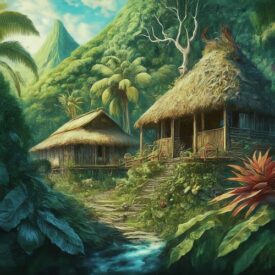
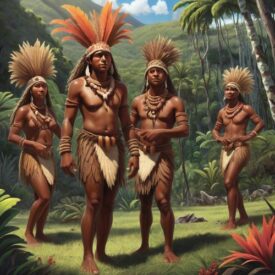
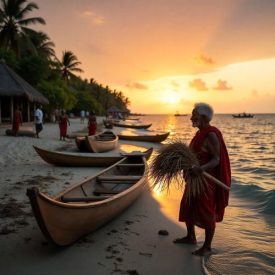
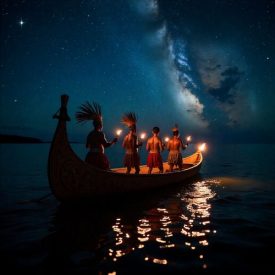
Melanesian mythology is a rich and diverse spiritual tradition rooted in the islands of New Guinea, Fiji, Solomon Islands, Vanuatu, and New Caledonia. It is deeply connected to the land, community, and the spirits that influence everyday life. Unlike mythologies centered around distant gods, Melanesian beliefs emphasize the power of ancestors and living spiritual forces that actively shape the world.
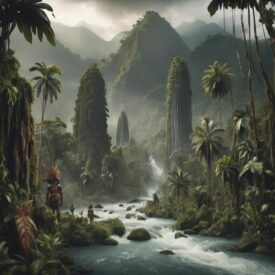
At the heart of Melanesian mythology lies ancestor worship. The dead are believed to protect their descendants, maintain order, and ensure prosperity. Many spirits are thought to inhabit natural elements such as forests, mountains, rivers, and the sea. Rituals and offerings form essential practices to maintain harmony with these unseen beings and to seek guidance or protection from misfortune.
Totemic beliefs are widely found across the region. Clans often identify with a sacred animal or plant believed to hold spiritual importance and serve as a link to ancestral origins. These traditions reinforce community identity and respect for the natural environment, which is viewed as a living entity connected to family lineage.
Creation myths in Melanesian mythology vary across islands but often share themes of transformation and divine ancestry. Cultural heroes such as Qat in Vanuatu, known as the creator of the first humans and bringer of night, illustrate ingenuity and the quest to understand the world. In Papua New Guinea, stories of sky beings and earth spirits explain the beginnings of culture, agriculture, and fire.
One of the most intriguing aspects of Melanesian belief systems is the strong presence of magic and sorcery. Supernatural power, often referred to as mana, can be inherited or gained through rituals and sacred knowledge. Magic is believed to influence health, weather, success in battle, and protection from spiritual harm. Sorcerers or ritual specialists hold high status within communities, respected and sometimes feared for their ability to interact directly with the spirit world.
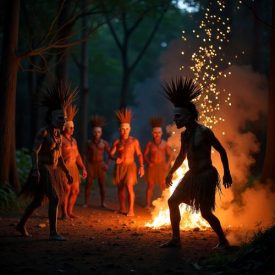
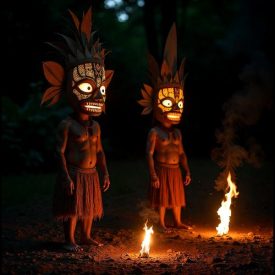
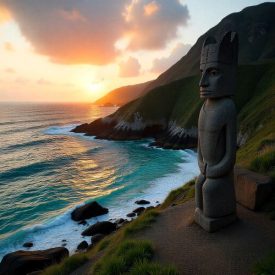
Despite the arrival of outside religions and modernization, Melanesian mythology remains alive today. Traditional ceremonies, storytelling, wood carvings, masks, and dances continue to express spiritual identity and preserve ancestral wisdom. Cultural revival movements across the islands work to safeguard these beliefs, ensuring that the voices of ancestors remain a guiding presence.
Melanesian mythology offers a powerful reminder of humanity’s ancient connection to nature, community, and the invisible forces that shape life. It stands as a living testament to the enduring spiritual heritage of the Pacific.