
Baltic Mythology
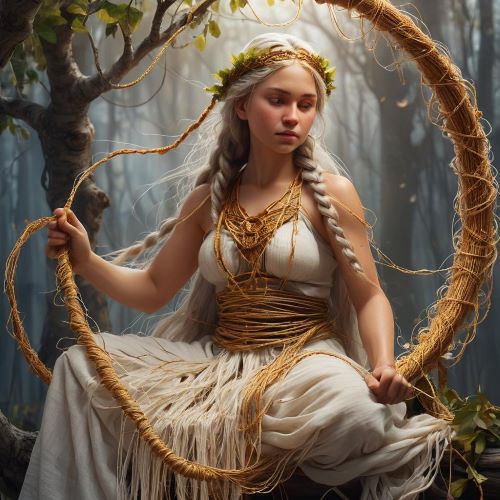
Baltic mythology represents one of Europe’s oldest surviving pagan belief systems, preserved through oral tradition well into the modern era. Rooted in the cultures of the Baltic peoples—primarily those inhabiting present-day Lithuania and Latvia—these myths reflect a worldview deeply attuned to nature, seasonal cycles and the unseen forces governing life. Unlike many mythological traditions that were fragmented early by conquest or conversion, Baltic mythology retained a remarkable continuity, allowing ancient beliefs to coexist with later religious influences.
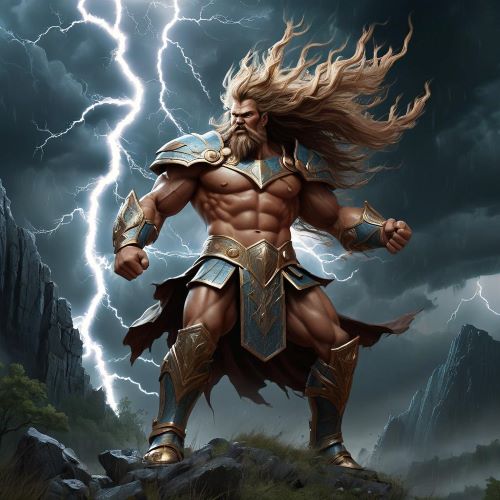
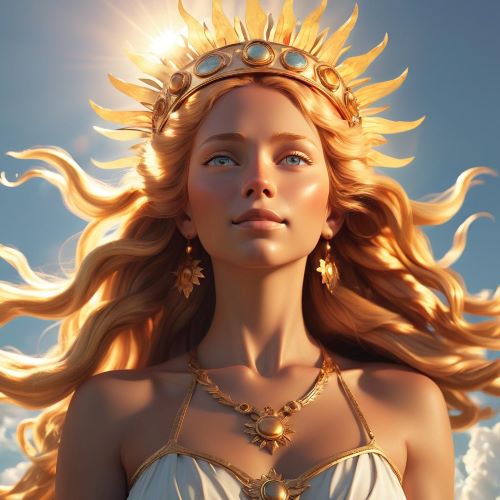
At the centre of Baltic mythology is the idea that the natural world is inherently sacred. Forests, rivers, stones and fire were not merely elements of the landscape but living presences imbued with spiritual power. Deities governed specific aspects of existence, from the movement of the sun to the fertility of the land. Perkūnas, the thunder god, embodied justice, order and the enforcement of moral balance, while solar deities such as Saulė represented life, warmth and cosmic rhythm. These figures were not distant rulers but active forces whose presence was felt through weather, harvests and the passage of time.
Baltic creation myths emphasize harmony rather than domination. The universe is often portrayed as emerging through balance—between sky and earth, light and darkness, life and death. This balance is maintained through ritual observance, respect for tradition and ethical conduct. Mythology thus functioned not only as storytelling but as a moral framework guiding social behavior and communal responsibility.
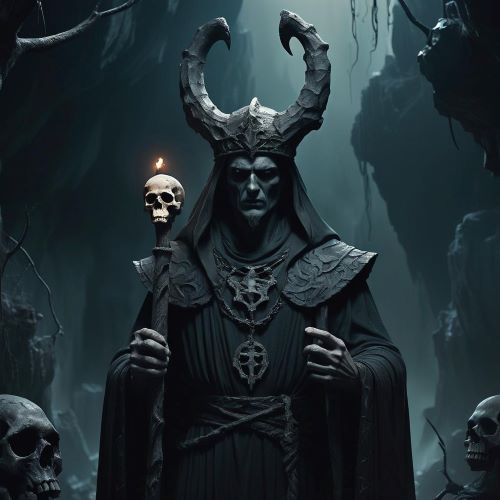
Ancestral reverence plays a vital role in Baltic belief systems. The spirits of the dead were believed to remain close to the living, influencing fortune, health and harmony. Seasonal festivals honored both the ancestors and the turning of the year, reinforcing the cyclical nature of existence. Fire rituals, songs and offerings were central to maintaining relationships between humans, nature and the spiritual realm.
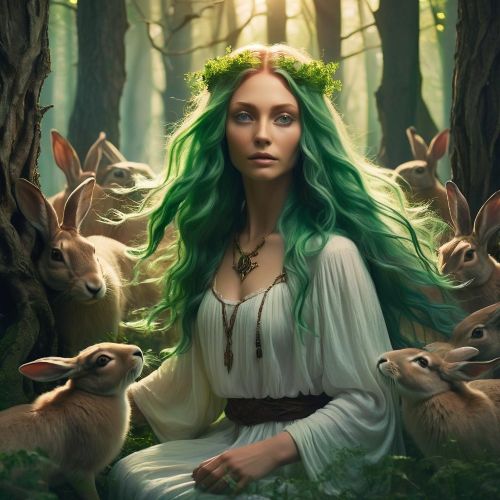
Baltic mythology is also rich in mythic beings such as household spirits, forest guardians and water entities. These figures reflect an intimate familiarity with the environment and serve as reminders of boundaries—places where human action must yield to respect and caution. Rather than representing pure good or evil, these beings embody reciprocity: protection is granted when traditions are honored, and misfortune follows neglect or disrespect.
Today, Baltic mythology continues to shape cultural identity through folklore, festivals and revived pagan practices. It stands as a rare example of an ancient European mythological system that endured through continuity rather than reconstruction, offering insight into a worldview where humanity exists as one part of a larger, sacred whole.