

Al-Lat : The Arabian Goddess of Fertility and War
Listen
At a glance
| Description | |
|---|---|
| Origin | Arabian Mythology |
| Classification | Gods |
| Family Members | Manat (Siister), Al Uzza (Sister), Allah (Father) |
| Region | Saudi Arabia, Syria |
| Associated With | War, Love, Peace, Fertility |
Al-Lat
Introduction
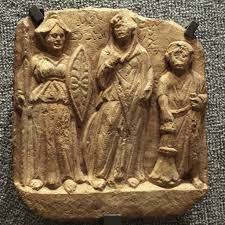
The North Arabian goddess known as Al-Lat was regarded as a deity during the pre-Islamic era. She was one of the three goddesses in the Qur’an. The other two are Manat and al-Uzza. The prophet Muammad recognized these three goddesses but changed his mind after a new revelation. He had previously recited approving verses to appease the pagans in Mecca.
The members of the Quraysh tribe carried out circumambulations at the Kabah in Mecca. They were chanting the praises of Manat, Al-Lat, and Uzza. These three individuals had main sanctuaries near the city of Mecca, which were sites of offerings and pious visits.
Physical Traits
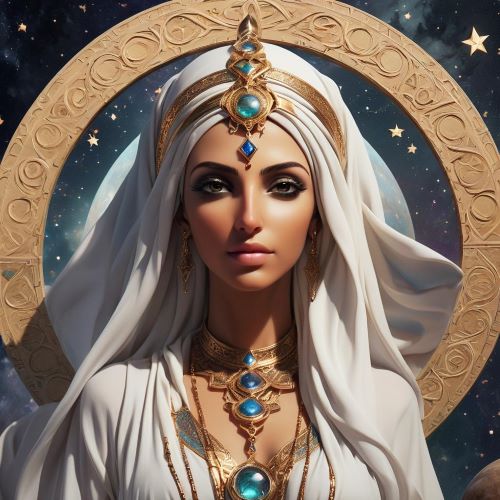
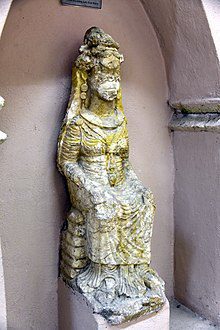
In Arabia, the sun is called Shams, and it’s believed that it may represent Al-Lat’s feminine aspect. She was known to have a sanctuary in Ta’if, which is east of Mecca. Her symbol is the moon, and she wears a gold necklace that’s linked to a pendant that’s made to her. She also has a sheaf of wheat, and she holds a small frankincense lump.
Family
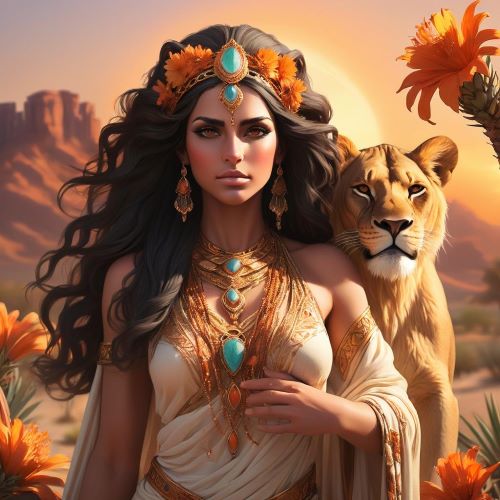
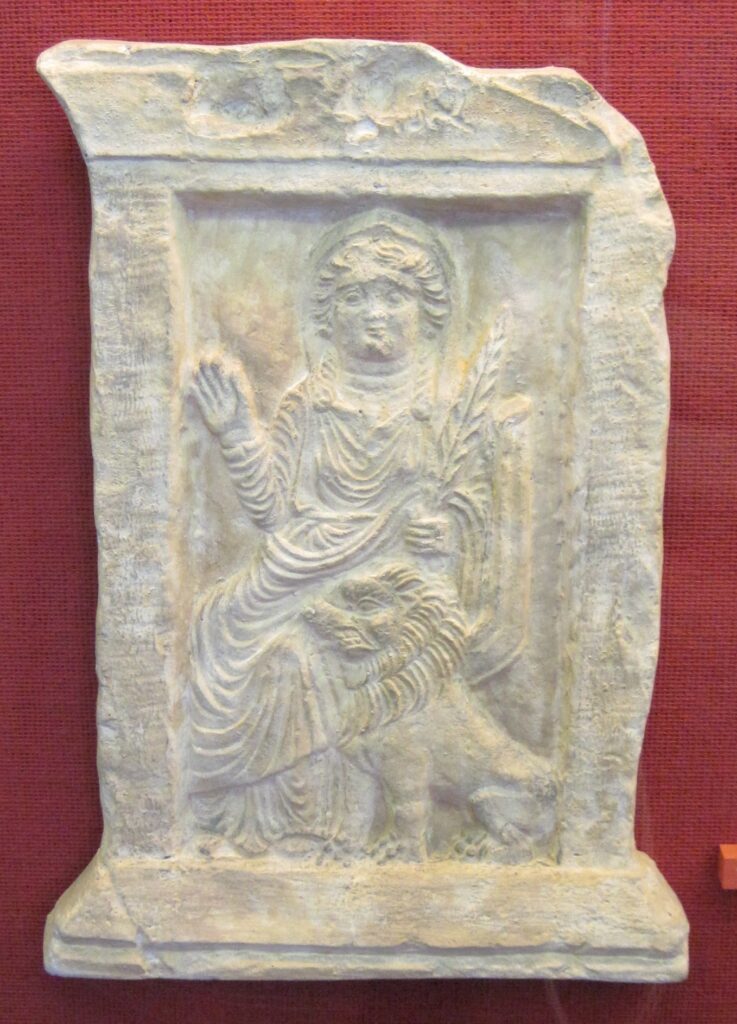
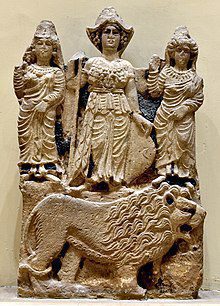
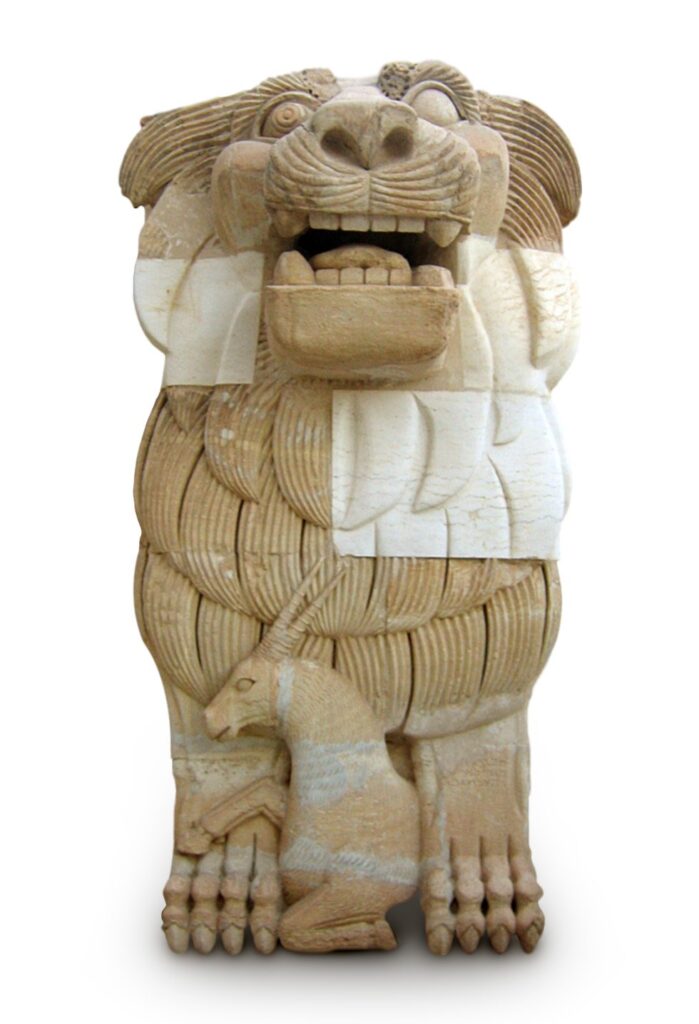
She was regarded as the daughter of Allah’s wife, who was a jinn. She was usually depicted in human form. The idol that was made to represent her was destroyed during the Muslim invasion of Mecca. According to a pre-Islamic myth, God created three daughters who would take care of all the creations that he has made so far. These are Uzza, Al-Lat, and Al-Manat. She was the consort of Dhu’l-Shara, a god of vegetation and mountain springs, and when depicted, she is often accompanied by a lion, as a symbol of her lover.
Other names
Many version of the name Al-Lat was in use in the region depending which Bedouin tribe used to worship her.
Powers and Abilities
The worshipper was urged to seek Al-Lat’s blessings and protection. She was also said to be able to provide them with ease and prosperity. She was regarded as the goddess of agriculture and vegetation, as well as the divine source of power, trade, and wealth. The shrine of Al-Lat in Ta’if was regarded as sacred after the discovery of onyx stones. She is believed to have a lion, a gazelle, and a camel among her sacred animals. She is also said to be a protector of the souls of the dead.
Modern Day Influence
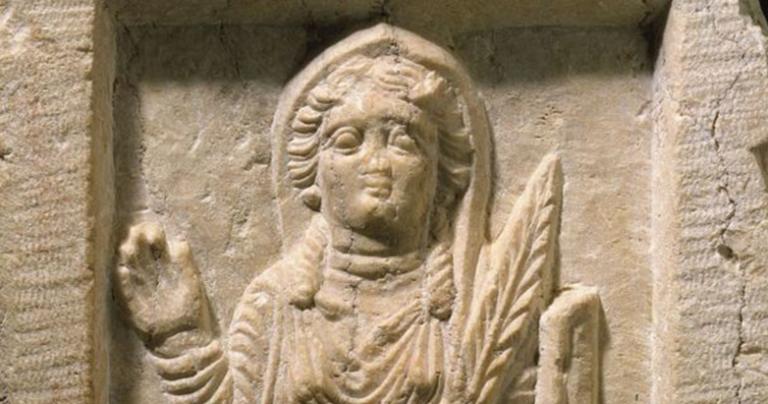
There was a systematic desecration and destruction of all shrines dedicated to Al-Lat after she was denounced by the Prophet Muhammad in one of his revisions of the Quran. Official records of direct orders from the prophet exist detailing out the shrines that were destroyed to spread the version of Islam endorsed by Prophet Muhammad and his followers. When ISIS rampaged the region, one of their main areas of destruction was the Palmyra in Syria where they destroyed numerous idols including the majestic Lion of Al Lat.
Related Images



Sources
Britannica Editors. (n.d.). Al-Lāt. Encyclopaedia Britannica. https://www.britannica.com/topic/al-Lat
Metropolitan Museum of Art. (n.d.). Arabian gods and goddesses in the ancient Near East. https://www.metmuseum.org/toah/hd/arab/hd_arab.htm
World History Encyclopedia. (n.d.). Religion in pre-Islamic Arabia. https://www.worldhistory.org/Religion_in_Pre-Islamic_Arabia/
Wikipedia contributors. (n.d.). Al-Lat. In Wikipedia, The Free Encyclopedia. https://en.wikipedia.org/wiki/Al-Lat
Healey, J. F. (2001). The religion of the Nabataeans: A conspectus. Brill.
Hawting, G. R. (1999). The idea of idolatry and the emergence of Islam: From polemic to history. Cambridge University Press.
Smith, M. S. (2002). The early history of God: Yahweh and the other deities in ancient Israel (2nd ed.). Eerdmans.
Dirven, L. (1999). The Palmyrene gods and their temples. Bulletin of the American Schools of Oriental Research, 315, 1–23. https://doi.org/10.2307/1357619
Frequently Asked Questions
Who was Al-Lat in pre-Islamic Arabia?
Al-Lat was a major pre-Islamic Arabian goddess venerated across northern Arabia, especially at her sacred cubic shrine in Ta’if, associated with fertility, prosperity, and protection.
What did Al-Lat represent to ancient worshippers?
She embodied abundant life, agricultural fertility, and social wellbeing, and was invoked for mercy, protection, and prosperity by desert communities and traders.
How was Al-Lat worshipped historically?
Al-Lat’s cult involved sacred sites such as her granite shrine at Ta’if and temples in Palmyra and Hatra; worshippers offered prayers, gifts, and observed sacred prohibitions around her sanctuary.
Was Al-Lat related to other Arabian goddesses?
Yes—she was often paired with al-‘Uzza and Manāt as the three chief pre-Islamic Arabian goddesses and in some traditions called daughters of the supreme god.
What happened to the worship of Al-Lat after Islam’s rise?
After the advent of Islam in the 7th century CE, her sanctuaries, including the one at Ta’if, were destroyed or abandoned, and her cult faded as monotheism spread.