
Polynesian Mythology
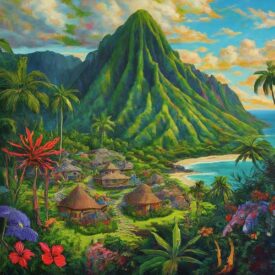
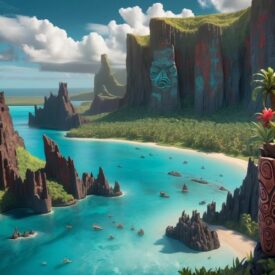
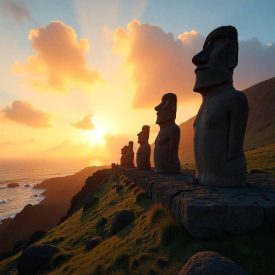
Polynesian mythology represents the shared spiritual heritage of the island cultures spread across a vast triangle of the Pacific Ocean — from Hawai‘i in the north, to Aotearoa (New Zealand) in the south, and Rapa Nui (Easter Island) in the east. Despite differences in language and tradition, Polynesian peoples are connected by common ancestral roots, ocean navigation mastery, and a rich set of stories that explain the origins of the world, the gods, and humanity’s role within it.
A defining feature of Polynesian mythology is its focus on creation and genealogy. Many traditions trace their beginnings to a primordial union such as Rangi and Papa (Sky Father and Earth Mother) in Māori culture, or to cosmic beings who emerged from the depths of the ocean. These stories establish the sacred relationship between land, sea, and sky while emphasizing that humans are part of a larger ancestral continuum.
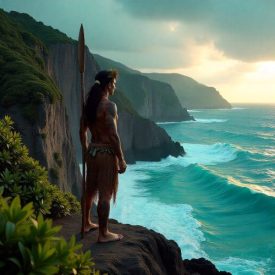
Polynesian mythology is filled with cultural heroes and demigods whose adventures shaped islands and brought vital knowledge to the people. Among the most iconic is Māui, a clever trickster known across Hawaii, Tahiti, Samoa, and New Zealand. His feats — slowing the sun, discovering fire, fishing islands from the sea — reflect the spirit of ingenuity that allowed Polynesians to thrive across the ocean.
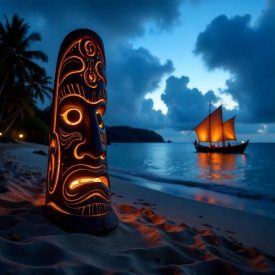
Navigation and the sea hold profound importance. In Polynesian belief, the ocean is a living realm guided by gods, spirits, and ancestral forces. Canoe voyages were undertaken with spiritual guidance, star knowledge, and ritual precision. Legends of great migrations form part of a cultural memory that celebrates exploration, resilience, and deep respect for the ocean.
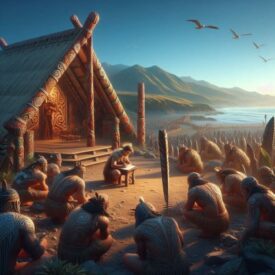
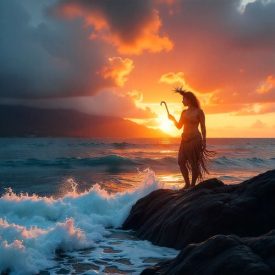
The natural world is equally sacred. Volcanoes, winds, forests, and animals are closely linked with deities and ancestral presence. Figures like Pele, the Hawaiian goddess of fire, and Tangaroa, the god of the sea, continue to influence cultural understanding of nature’s power. Sacred sites — including mountains, caves, and stone temples (marae) — serve as gateways between the human world and the spiritual dimension.
Polynesian mythology remains vibrant today. Traditional ceremonies, tattoos, dance forms like hula and siva, and community storytelling preserve ancient knowledge. Cultural revitalization movements across the Pacific strengthen language and identity while honoring ancestral values.
Polynesian mythology stands as a living tradition — a map of history, navigation, and spirituality etched into the ocean pathways and island landscapes of the Pacific.