
Aboriginal Mythology
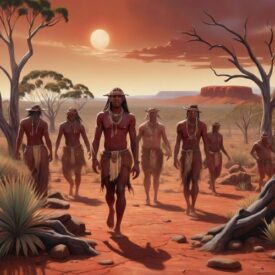
Aboriginal mythology represents one of the oldest continuous storytelling traditions in the world, rooted in the deep spiritual connection between Indigenous Australians and their land. Known collectively as the Dreamtime or Dreaming, these beliefs describe the creation of the world, the origins of life, and the laws that guide human behavior. Dreamtime is not just a mythological era — it is a living spiritual framework that continues to shape identity, culture, and everyday life.
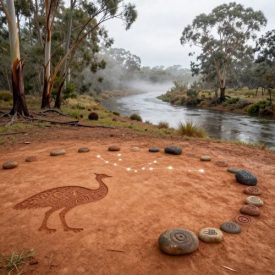
At the heart of Aboriginal mythology are the creation ancestors, powerful spirit-beings who shaped the landscape by forming mountains, rivers, deserts, animals, and humans. As they travelled across Australia, they established sacred laws and left behind paths known as songlines, which connect places through story, music, and ritual. These songlines serve as spiritual maps, allowing people to navigate vast distances while honoring ancestral memory.
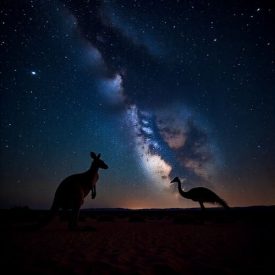
Different Aboriginal nations have their own creation ancestors and sacred beings. In many regions, stories of the Rainbow Serpent explain the formation of waterways and the balance of life. Other ancestral beings include sky heroes, tricksters, animal spirits, and elemental forces tied to fire, water, wind, and earth. These stories are not fictional tales but spiritual truths that preserve cultural law, ecological knowledge, and moral teachings.
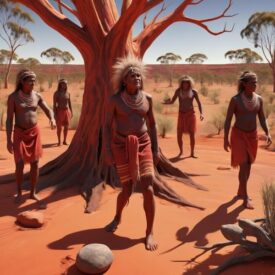
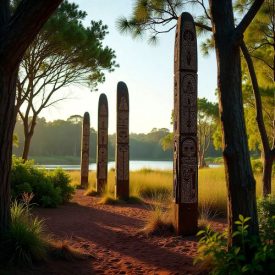
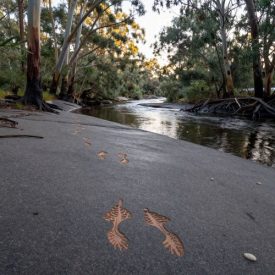
Aboriginal mythology also reflects the importance of Country, a term that represents not just land but a living entity that includes spirits, kinship, and ancestral presence. Every landscape feature — from a rock to a waterhole — holds meaning and may be linked to a Dreamtime event. Caring for Country is both a spiritual responsibility and a cultural duty, ensuring harmony between people and nature.
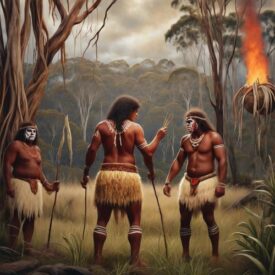
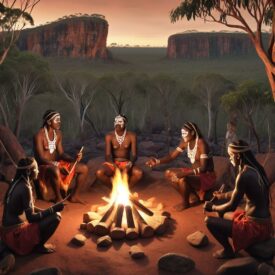
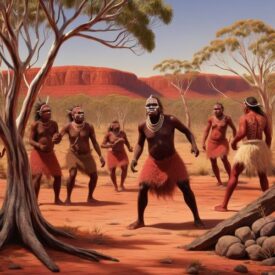
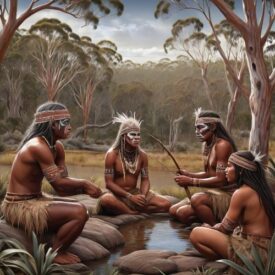
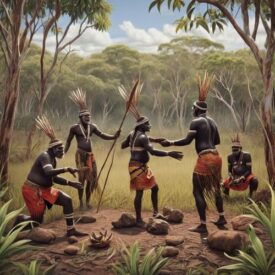
Ceremonies, dances, body art, and storytelling form essential parts of maintaining these traditions. Elders serve as custodians of sacred knowledge, passing down myths through oral tradition while safeguarding stories restricted to specific groups or communities. These practices reinforce identity and strengthen cultural bonds across generations.
Despite colonization and modern pressures, Aboriginal mythology remains vibrant and resilient. Many communities continue to revive languages, protect sacred sites, and preserve Dreaming stories as part of cultural renewal. Contemporary art, literature, and film also celebrate these ancient narratives, introducing them to global audiences.
Aboriginal mythology stands as a testament to humanity’s oldest spiritual traditions — a living bridge between past and present that honors land, ancestors, and the timeless Dreamtime.